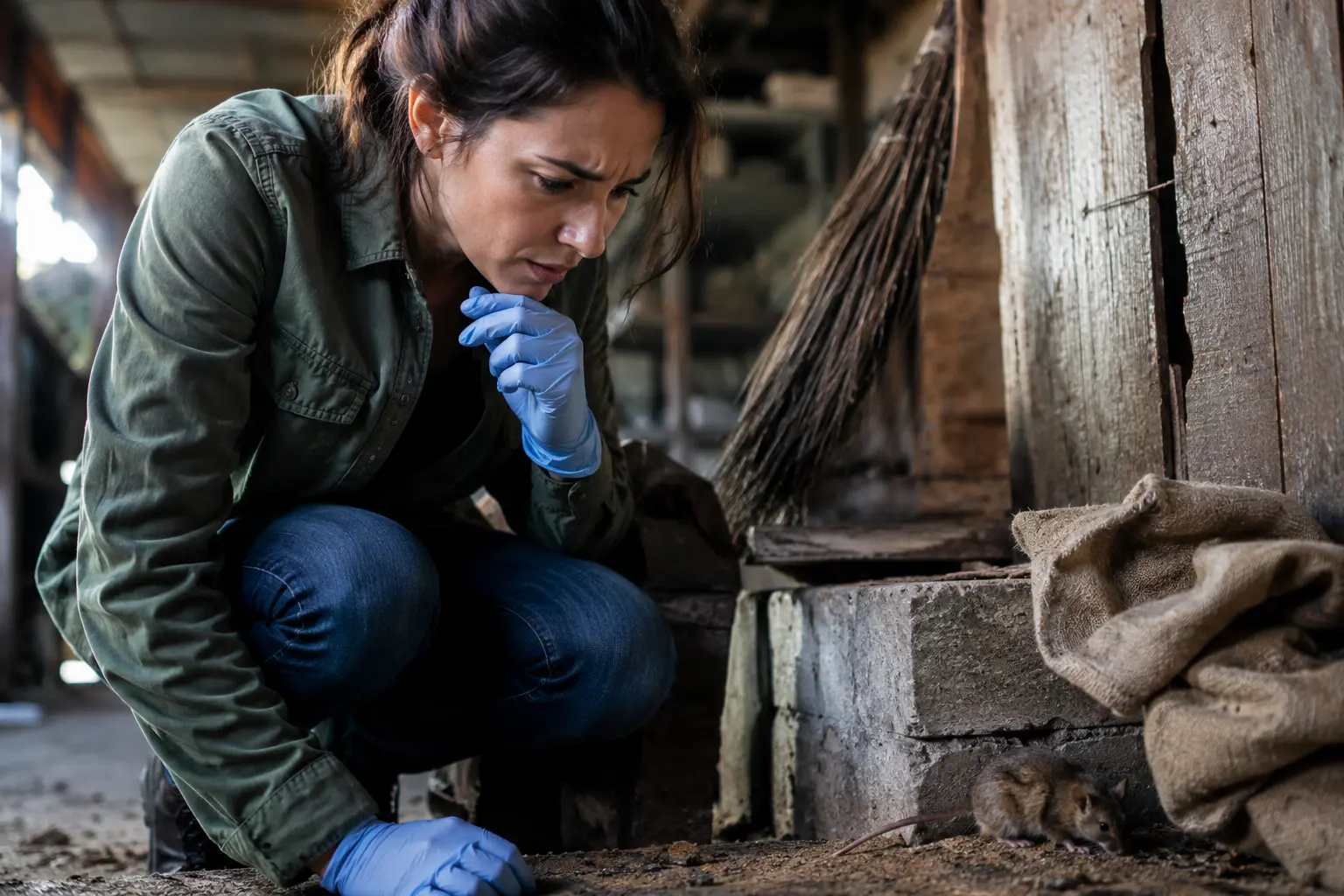
You felt fine yesterday, but now you’re burning up with fever and your muscles ache like you’ve been hit by a truck, and all you can think is what if this is something serious – let’s cut through the hantavirus facts and myths so you actually know what you’re dealing with.
Understanding hantavirus transmission
Hantavirus reaches humans through a surprisingly specific pathway that most people get wrong. The virus lives inside infected rodents, particularly deer mice, and spreads when you inhale aerosolized particles from their droppings, urine, or saliva. Picture this: you’re cleaning out an old shed or attic, stirring up dust without realizing rodents nested there months ago. As you sweep, invisible virus particles become airborne and enter your lungs. This is fundamentally different from how flu spreads. Hantavirus does not jump from person to person through coughs or handshakes. The virus needs that direct environmental exposure to rodent material. Geographic hotspots matter too. The Four Corners region of the American Southwest has documented higher transmission rates, though cases appear across North America. Understanding this transmission route is crucial because it means your risk depends heavily on your environment and activities, not on proximity to infected people.
Hantavirus symptoms decoded
The early phase feels deceptively like a bad flu. You develop fever, muscle aches, fatigue, and sometimes headaches or chills. This stage typically lasts three to seven days, and many people assume they just caught seasonal illness. Here’s where hantavirus becomes dangerous: the virus doesn’t stop there. As days progress, respiratory symptoms emerge. You might notice shortness of breath, chest tightness, or a persistent cough. This transition marks the critical phase. The virus triggers pulmonary edema, where fluid accumulates in the lungs, making breathing progressively harder. Some infected individuals experience rapid deterioration, moving from mild symptoms to severe respiratory distress within hours. This unpredictability makes early recognition vital. Young adults sometimes dismiss initial symptoms as nothing serious, delaying medical evaluation. The mortality rate for hantavirus pulmonary syndrome hovers around 38 percent, making prompt diagnosis and supportive care genuinely life-saving interventions.
Protective measures against hantavirus
Prevention centers on eliminating rodent exposure, which requires both environmental control and personal precautions. Start by sealing entry points. Rodents squeeze through gaps as small as a dime, so inspect your home’s foundation, walls, and roof for cracks or holes. Use steel wool and caulk to seal these openings permanently. Inside, remove food sources by storing grains and pet food in sealed containers and cleaning up crumbs immediately. When you must clean rodent-contaminated areas, wear an N95 mask and disposable gloves. Never sweep or vacuum rodent droppings dry, as this aerosolizes particles. Instead, spray the area with disinfectant first, let it sit, then wipe carefully. Ventilation matters significantly. Open windows when possible and use fans to direct air outward, reducing viral particle concentration. If you work outdoors in high-risk regions, maintain awareness of rodent activity. These practical steps dramatically reduce infection likelihood when applied consistently.
- Identify and eliminate rodent entry points in your living spaces by inspecting foundations, walls, and roofs for gaps larger than a dime.
- Wear protective gear including N95 masks and disposable gloves when cleaning areas with rodent activity or droppings.
- Ensure proper airflow in indoor areas to prevent viral particle buildup by opening windows and using fans to direct air outward.
🔬 Science-backed benefits in 2 minuteschoose where to begin:
Myth: hantavirus is contagious between humans
This misconception causes unnecessary panic and social isolation. The scientific reality is clear: hantavirus does not transmit through human-to-human contact. You cannot catch it from breathing the same air as an infected person, sharing food, or touching them. Healthcare workers caring for hantavirus patients use standard precautions, not the intensive isolation required for airborne diseases like measles. This distinction matters psychologically and practically. If someone you know contracts hantavirus, you’re not at risk from casual contact. The virus requires exposure to infected rodent material, not human secretions. This fact has been consistently documented across decades of epidemiological research. Understanding this prevents the shame or fear that infected individuals sometimes experience when others distance themselves unnecessarily. It also clarifies why public health responses focus on rodent control and environmental cleanup rather than quarantining patients from their families.
Fact: early detection saves lives
The window between symptom onset and severe respiratory compromise can be shockingly narrow. Someone feeling flu-like symptoms on Monday might require intensive respiratory support by Wednesday. This timeline makes early medical evaluation genuinely critical. When you seek care promptly, doctors can monitor your condition closely and provide supportive treatments like supplemental oxygen before your lungs fill with fluid. There’s no specific antiviral cure for hantavirus, but supportive care dramatically improves survival rates. Hospitals can manage respiratory distress through mechanical ventilation and fluid management. Young adults sometimes hesitate to see a doctor for what feels like mild illness, but with hantavirus, that delay can be fatal. If you’ve had potential rodent exposure and develop fever with muscle aches, mention this to your healthcare provider. They can order specific blood tests to confirm hantavirus. Early diagnosis doesn’t change treatment, but it ensures you receive appropriate monitoring and care in the right setting.
Realities of hantavirus prevention
Hantavirus remains genuinely rare. Fewer than 200 cases occur annually across North America, meaning your actual risk is low unless you work with rodents or live in heavily infested areas. This statistical reality shouldn’t breed complacency, but it should prevent paralyzing fear. Prevention is achievable through practical habits. Maintain a clean, rodent-free living space by sealing entry points and removing food sources. If you camp, hike, or work outdoors in endemic regions, stay aware of rodent signs like droppings or nests. Avoid handling dead rodents or disturbing their habitats. These straightforward precautions reduce your risk substantially. Young adults who understand hantavirus transmission can make informed decisions about activities and environments without unnecessary anxiety. The goal isn’t to live in fear but to practice reasonable vigilance. Most people who take basic preventive steps never encounter hantavirus. Knowledge combined with practical action creates genuine protection.
Hantavirus is a rare but potentially serious illness transmitted exclusively through contact with infected rodents and their excreta, not through human-to-human contact. Young adults can significantly reduce infection risk by understanding transmission routes, recognizing early symptoms, and implementing practical environmental controls like sealing rodent entry points and using protective gear during cleanup. Early medical evaluation when fever and muscle aches develop after potential rodent exposure is crucial, as supportive care during the critical respiratory phase saves lives. While hantavirus requires respect and awareness, it does not require fear when you understand the science and take reasonable preventive measures.
Can I get hantavirus from another person?
No, hantavirus does not spread from person to person. The virus is transmitted exclusively through contact with infected rodents and their droppings, urine, or saliva. Healthcare workers and family members of infected patients are not at risk from casual contact.
What are the early signs of hantavirus infection?
Initial symptoms of hantavirus infection include fever, muscle aches, and fatigue, resembling flu-like illness and typically appearing three to seven days after exposure. Respiratory symptoms like shortness of breath and chest tightness develop later and signal progression to the dangerous pulmonary phase, making prompt medical evaluation essential.
Others also read:
Disclaimer: This article is for informational purposes only and is not a substitute for professional medical advice. Always consult a healthcare professional for personal guidance.
This article has been prepared and reviewed by the GlobalHealthBeacon editorial team and is based on current medical research and published scientific literature available in 2026. It provides structured, evidence-based information to support informed health decisions.
