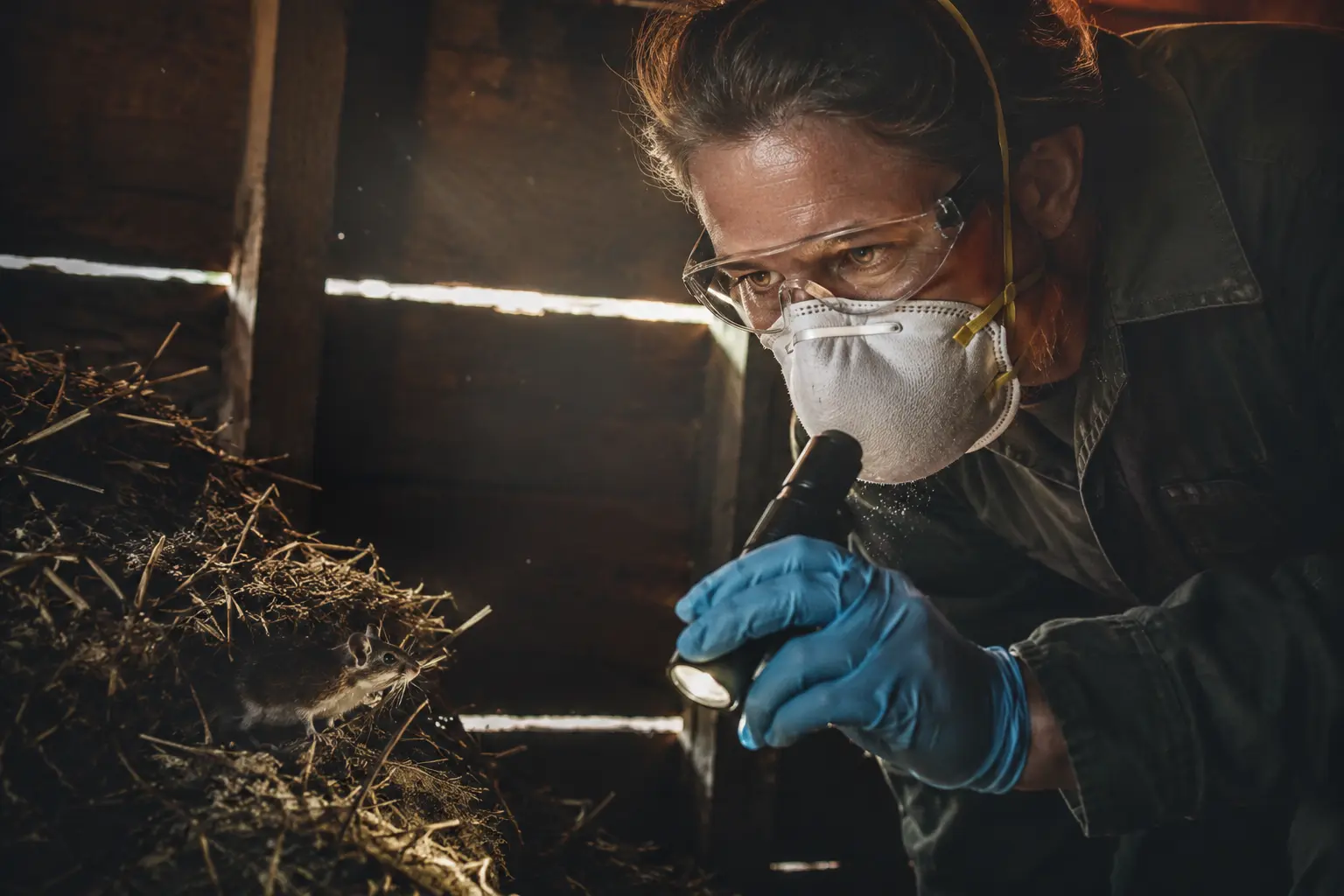
You’re cleaning out the garage or checking the attic and suddenly realize rodents have been living there, and now you’re wondering if you’ve just exposed yourself to something serious – a hantavirus outbreak explained is exactly what you need right now, because the good news is you can take control of this situation starting today.
Understanding hantavirus and its risks
Hantavirus is transmitted when you inhale dust particles containing the virus from infected rodent droppings, urine, or saliva. Picture this: you’re sweeping out a shed you haven’t used in months, and without proper protection, you’re breathing in particles that could carry the virus. The risk is real but manageable once you understand it. Hantavirus primarily spreads through the Sin Nombre virus in North America, affecting the lungs and causing serious respiratory illness. Women in rural areas, those who garden frequently, or anyone dealing with rodent infestations face higher exposure. The virus doesn’t spread person-to-person, which is reassuring. What matters most is recognizing where rodents hide: in attics, basements, storage areas, and wall cavities. Understanding these transmission routes helps you take targeted action rather than living in fear.
- Avoid direct contact with rodents, their nests, or droppings without proper protective equipment.
- Seal cracks, gaps, and holes larger than a quarter inch around your home’s foundation and walls.
- Never sweep or vacuum rodent droppings; instead, spray them with disinfectant and wipe with paper towels.
Maintaining a clean and rodent-free environment
Your home’s cleanliness is your first line of defense. Start by removing food sources: store pantry items in airtight glass or plastic containers, not cardboard boxes that rodents can chew through. Clean up crumbs immediately, take out trash daily in sealed bins, and don’t leave pet food sitting out overnight. Think about the spaces rodents love: dark corners, cluttered storage areas, and gaps behind appliances. A woman who discovered mice in her kitchen realized they were entering through a gap behind the refrigerator. After sealing that gap and removing accessible food sources, the problem stopped. Beyond food, eliminate nesting materials by decluttering regularly. Store firewood at least 20 feet from your home, trim tree branches away from your roof, and keep grass cut short. These steps create an environment where rodents find no reason to stay. Regular maintenance takes 15 minutes a week but prevents months of infestation problems.
📘 Fix your day in under 2 minuteschoose where to begin:
Proper ventilation and airflow
When you must clean areas potentially contaminated with rodent droppings, ventilation becomes critical. Open all windows and doors to create cross-ventilation, allowing fresh air to dilute any airborne particles. Wear an N95 mask fitted properly over your nose and mouth, along with gloves and eye protection. Never use a regular vacuum on rodent droppings; the particles become aerosolized and spread through your home. Instead, spray the area with a 10% bleach solution, let it sit for five minutes, then wipe with paper towels. One woman cleaning her basement after discovering old droppings made the mistake of sweeping first, which stirred up dust and made her family sick for weeks. Had she used proper ventilation and protective equipment, the outcome would have been different. If you’re dealing with extensive contamination, consider hiring professionals trained in biohazard cleanup. Your lungs are worth the investment. After cleaning, keep windows open for at least 30 minutes to ensure air quality returns to normal.
Health monitoring and prompt medical attention
Hantavirus symptoms appear 1 to 8 weeks after exposure, so knowing what to watch for is essential. Early signs include fever, muscle aches, fatigue, and headaches that feel like a bad flu. As the illness progresses, you might experience shortness of breath, coughing, or chest tightness. A woman who’d cleared out her garage noticed these symptoms two weeks later and immediately called her doctor, mentioning the rodent exposure. Early diagnosis made a significant difference in her treatment outcome. Keep a health journal if you’ve had potential exposure, noting any symptoms and when they started. Don’t dismiss mild symptoms if you’ve been in rodent-infested areas. Call your doctor and mention the exposure explicitly, as hantavirus isn’t the first thing most doctors consider. Seek emergency care if you develop severe breathing difficulty. Time matters with hantavirus, and early medical intervention improves outcomes substantially.
Educating others and raising awareness
Your knowledge becomes powerful when shared. Talk to family members about rodent prevention, especially if they’re visiting rural properties or older homes. Teach children never to touch rodents or their droppings, and explain why protective equipment matters. Share this information with neighbors, particularly in communities prone to rodent problems. A neighborhood group that started discussing rodent prevention discovered several homes had infestations and coordinated a community cleanup effort, reducing rodent populations significantly. When friends mention pest problems, offer practical advice instead of dismissing it. Post information in community centers, schools, or online groups where women gather. Healthcare providers benefit from knowing that women in your community understand hantavirus risks, which helps them recognize symptoms faster. Awareness doesn’t create panic; it creates preparedness. By normalizing these conversations, you help others take action before exposure happens, protecting entire households and communities from preventable illness.
Hantavirus poses a significant health risk, but women can take proactive steps to minimize exposure. By understanding the disease, maintaining cleanliness, ensuring proper ventilation, monitoring health, and spreading awareness, women can protect themselves and their communities from hantavirus outbreaks.
What are the main symptoms of hantavirus infection?
The main symptoms of hantavirus infection include fever, muscle aches, fatigue, and respiratory issues. If you experience these symptoms after potential exposure to rodents, seek medical attention immediately.
Can hantavirus be transmitted from person to person?
Hantavirus is primarily transmitted to humans through contact with infected rodents or their droppings. There is very limited evidence of person-to-person transmission, mainly in specific cases of close contact with an infected individual’s bodily fluids.
Others also read:
Disclaimer: This article is for informational purposes only and is not a substitute for professional medical advice. Always consult a healthcare professional for personal guidance.
This guide has been prepared and reviewed by the GlobalHealthBeacon editorial team and reflects current medical research as of 2026. It provides structured, evidence-based information to support informed health decisions.
