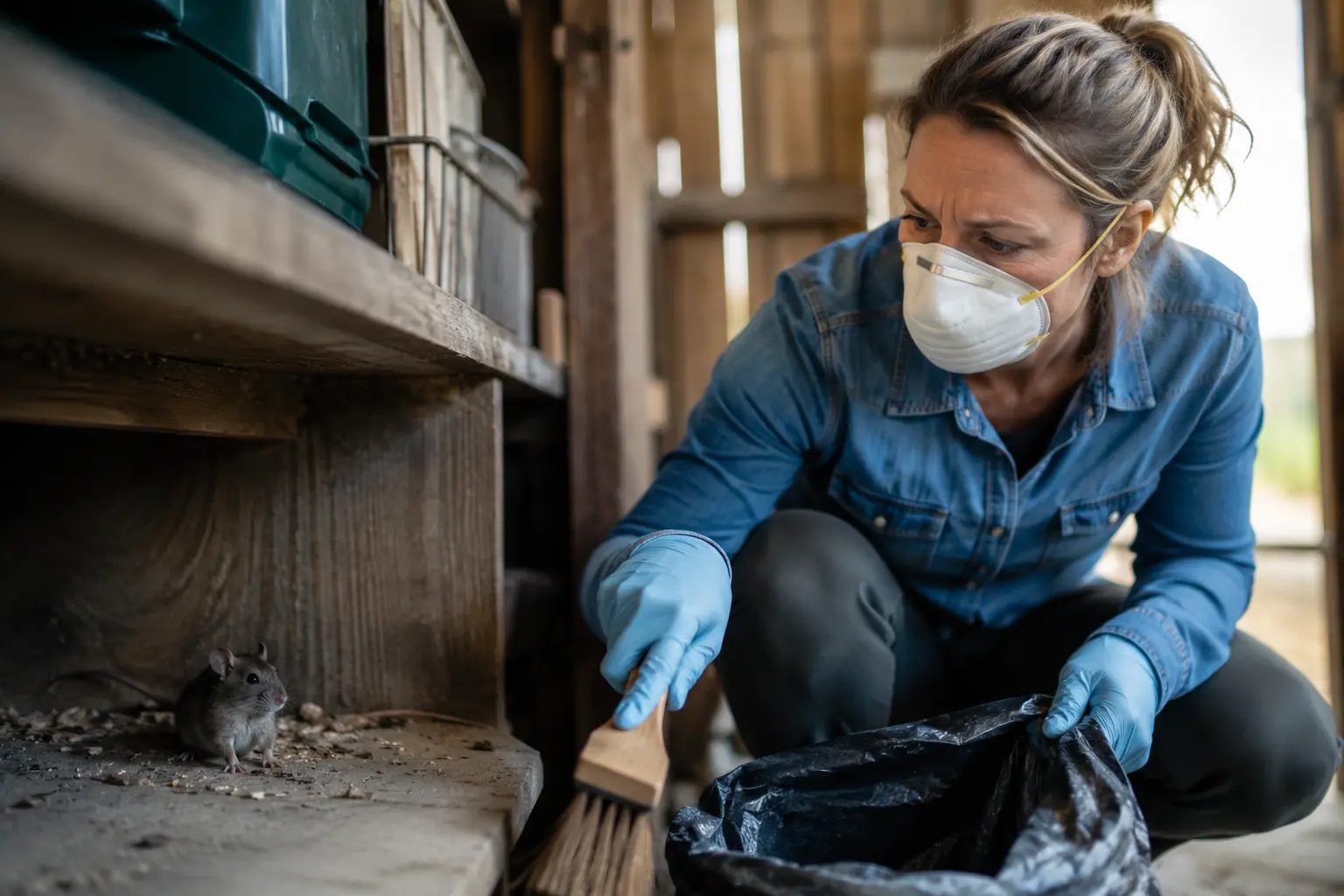
You’ve noticed droppings in your garage, felt a strange fatigue creeping in, or heard someone mention hantavirus and suddenly felt that knot of worry in your chest – understanding hantavirus transmission basics isn’t just medical knowledge, it’s peace of mind you actually need right now.
What is hantavirus transmission?
Hantavirus spreads when you come into contact with infected rodents or their waste products like droppings, urine, or saliva. The virus travels through the air when contaminated particles become airborne, especially when you’re cleaning or disturbing rodent nests. Picture this: you’re cleaning out a shed you haven’t used in months, sweeping up what looks like old debris. If that debris contains hantavirus-infected rodent droppings and you’re not wearing protection, you could inhale particles without even realizing it. Direct contact matters too – touching contaminated materials and then touching your face, nose, or mouth creates a direct pathway for infection. Women often manage household cleaning and storage areas, making awareness particularly important. The virus doesn’t survive long on surfaces, but fresh droppings and urine are highly contagious. Understanding this transmission route helps you take targeted prevention steps rather than living in vague fear.
- Avoid direct contact with rodents, their nests, or droppings – use tools or ask for help rather than handling these materials yourself.
- Ensure proper ventilation by opening windows and using fans when cleaning potentially contaminated areas.
- Wear protective gear including N95 masks, disposable gloves, and eye protection when handling materials in rodent-infested spaces.
Signs and symptoms
Early hantavirus symptoms often feel like a regular flu at first, which is why many people miss the warning signs. You might experience fatigue that seems disproportionate to your activity level, a fever that comes and goes, muscle aches throughout your body, and dizziness that makes standing up feel risky. Some women report headaches and chills in the initial phase. Here’s where it gets serious: as the infection progresses over days to weeks, respiratory symptoms emerge. You might develop a cough, shortness of breath, or chest tightness. In severe cases, hantavirus can lead to hantavirus pulmonary syndrome, causing fluid in the lungs and difficulty breathing that requires hospitalization. Kidney involvement is also possible, affecting your body’s ability to filter waste. The critical window is recognizing these symptoms early, especially if you’ve had recent rodent exposure. Waiting to see if symptoms improve on their own can be dangerous – early medical intervention makes a measurable difference in outcomes.
📘 Fix your day in under 2 minuteschoose where to begin:
Prevention measures
Prevention starts with making your living and working spaces inhospitable to rodents. Seal every crack, hole, or gap larger than a quarter inch where rodents could squeeze through – check around pipes, vents, foundation cracks, and gaps under doors. Store food in airtight containers rather than leaving it in pantries or on counters. Take out garbage regularly and keep trash bins sealed. If you discover a rodent infestation, professional pest control is worth the investment rather than attempting cleanup yourself. When you do need to clean contaminated areas, spray the space with a disinfectant first to kill airborne particles before sweeping or disturbing materials. Let it sit for a few minutes, then carefully clean while wearing protective equipment. Avoid vacuuming contaminated areas, as this spreads particles into the air. Keep your workspace organized and clutter-free – rodents love hiding spots created by piles of boxes, papers, or stored items. Regular inspection of storage areas, basements, and attics catches problems early before contamination spreads.
Diagnosis and treatment
If you suspect hantavirus exposure or experience symptoms, your doctor will order blood tests to detect antibodies against the virus or genetic material from the virus itself. These tests confirm infection, though results may take several days. There’s no specific antiviral medication that cures hantavirus infection, which is why treatment focuses on supportive care and managing complications as they arise. This means hospitalization in many cases, where medical teams monitor your oxygen levels, blood pressure, and kidney function closely. You’ll receive fluids, oxygen therapy if needed, and medications to manage fever and pain. In severe cases, you might need dialysis if kidney function declines significantly. Recovery depends on how quickly you seek care and how severe your infection becomes. Some people recover at home with rest and monitoring, while others require intensive care. The key is not delaying medical attention – the earlier you’re diagnosed and treatment begins, the better your chances of avoiding severe complications.
Seeking medical help
If you’ve had known or suspected rodent exposure and develop fever, muscle aches, fatigue, or respiratory symptoms, contact your doctor or visit an urgent care facility immediately. Don’t wait to see if symptoms improve on their own. Tell your healthcare provider about the potential rodent exposure – this detail helps them consider hantavirus in their diagnosis rather than assuming you have a common cold or flu. Early intervention genuinely changes outcomes. When you call ahead, mention the possible exposure so staff can take appropriate precautions. If you develop severe shortness of breath, chest pain, or confusion, go to the emergency room rather than waiting for an appointment. Keep track of when symptoms started and what activities preceded them – this timeline helps your doctor assess your risk level. Women managing households should also inform family members about potential exposures so everyone can monitor for symptoms. Don’t minimize your concerns or assume you’re overreacting – hantavirus is serious, and prompt medical attention is the most important step you can take.
Hantavirus transmission occurs primarily through contact with infected rodents and their waste. Recognizing early symptoms like fever and fatigue, practicing prevention through rodent control and protective measures, and seeking immediate medical help when symptoms appear are your three critical lines of defense.
Can hantavirus be transmitted through person-to-person contact?
No, hantavirus is not known to spread between people. Transmission occurs exclusively through contact with infected rodents or their contaminated materials. You cannot catch hantavirus from another person, even if they are infected.
Is there a specific treatment for hantavirus infection?
There is no specific antiviral cure for hantavirus infection. Treatment focuses on supportive care including hospitalization, oxygen therapy, fluid management, and monitoring of kidney and heart function. Early medical intervention significantly improves outcomes.
Others also read:
Disclaimer: This article is for informational purposes only and is not a substitute for professional medical advice. Always consult a healthcare professional for personal guidance.
This guide has been prepared and reviewed by the GlobalHealthBeacon editorial team and reflects current medical research as of 2026. It provides structured, evidence-based information to support informed health decisions.

