You’ve heard the warnings about hantavirus, but the thought of invisible rodent droppings in your space is making you anxious, and you have no idea where to start protecting yourself, so here’s what you actually need to know about hantavirus transmission basics and how to take control right now.
Understanding hantavirus transmission basics
Hantavirus spreads when you breathe in particles from infected rodent droppings, urine, or saliva, or when these materials contact your skin or mucous membranes. Picture this: you’re cleaning out a garage or attic you haven’t touched in months, stirring up dust without realizing rodents nested there. That’s a real exposure risk. The virus lives in rodent waste and can become airborne when disturbed. Young adults often encounter this in rental apartments with poor pest control, cabins, or storage spaces. The key is understanding that you don’t need direct contact with a living rodent to get infected, just exposure to their contaminated environment. This is why prevention focuses on making your space unwelcoming to rodents in the first place and handling any suspected contamination with extreme care and proper ventilation.
- Rodent-proof your home by sealing cracks and holes
- Keep food in sealed containers to avoid attracting rodents
- Dispose of trash promptly and maintain a clean living environment
Signs and symptoms of hantavirus infection
Early hantavirus symptoms appear one to eight weeks after exposure and start like a bad flu: fever, muscle aches, fatigue, and sometimes headaches or chills. You might dismiss it as a regular cold at first. But here’s what matters: watch for the second phase, which includes shortness of breath, chest tightness, or difficulty breathing. This is when hantavirus becomes serious. A young adult might notice they’re more winded than usual walking up stairs, or they feel a strange pressure in their chest. Some people also report nausea, vomiting, or abdominal pain. The danger is that symptoms can escalate quickly once breathing problems start. If you’ve had potential rodent exposure in the past month and suddenly feel unusually fatigued with fever, don’t wait. Seek medical attention immediately and mention your possible exposure. Early evaluation can make a real difference in outcomes.
📘 Fix your day in under 2 minuteschoose where to begin:
Reducing hantavirus risk outdoors
Camping and hiking expose you to wild rodent populations, especially in areas with dense brush or abandoned structures. Never sleep directly on the ground or on bare earth, as rodents burrow and nest in soil. Instead, use a tent with a solid floor and keep it sealed at night. Store all food, including snacks and toiletries, in rodent-proof containers or hang them from trees away from your sleeping area. A common mistake young adults make is leaving food scraps around the campsite or in open backpacks. Rodents are attracted to crumbs and garbage, and once they know food is available, they’ll investigate your tent. Keep your campsite organized and clean, disposing of waste in bear-proof containers if available or packing everything out. If you’re staying in a cabin, inspect it first for signs of rodent activity like droppings or gnaw marks. Ventilate enclosed spaces before settling in, and avoid sleeping in areas with visible pest evidence.
Cleaning up after potential hantavirus exposure
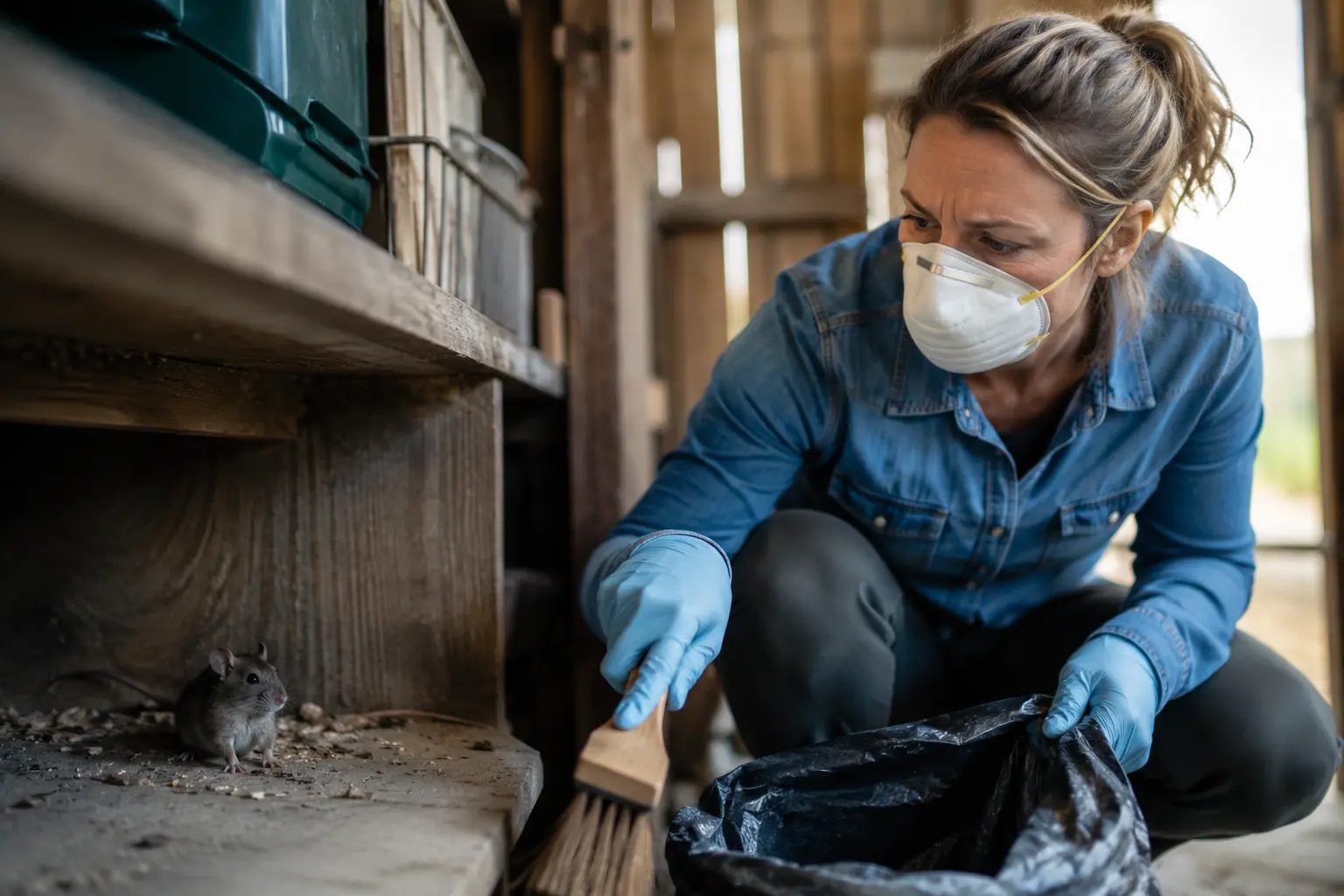
If you discover rodent droppings in your home, never sweep or vacuum them dry, as this releases virus particles into the air. Instead, open windows and doors to ventilate the space for at least 30 minutes before you touch anything. Spray the affected area with a bleach solution (one part bleach to nine parts water) and let it sit for several minutes to disinfect. Wear disposable gloves, an N95 mask, and eye protection while cleaning. Wipe down surfaces thoroughly with paper towels and dispose of them in a sealed bag. For large infestations or if you’re unsure about the extent of contamination, consider hiring a professional pest control service that understands hantavirus protocols. Many young adults live in older apartments or shared housing where rodent problems aren’t immediately obvious. If you notice droppings in cabinets, under sinks, or in storage areas, follow these steps carefully. Don’t rush the process or skip protective gear. Taking time to clean properly protects you and anyone else in your space.
Seeking medical help for hantavirus infection
If you suspect you’ve been exposed to hantavirus or are experiencing symptoms like fever combined with muscle aches and shortness of breath, contact your healthcare provider or visit an urgent care clinic right away. Tell them about your potential exposure, including when and where it occurred. Mention if you were in a rodent-infested space, handled contaminated materials, or spent time camping in areas with known rodent populations. Your doctor can order blood tests to check for hantavirus antibodies and assess your respiratory function. Early medical evaluation is crucial because hantavirus can progress rapidly once breathing problems develop. Don’t assume your symptoms will pass on their own or that you’re just dealing with a regular flu. Young adults sometimes delay seeking care because they feel generally healthy otherwise, but hantavirus requires professional monitoring. If you’re experiencing severe shortness of breath, chest pain, or confusion, go to an emergency room immediately. Treatment focuses on supportive care, oxygen therapy if needed, and close monitoring in a hospital setting for severe cases.
Learn the basics of hantavirus transmission prevention, recognize symptoms, reduce outdoor risk, safely clean up, and know when to seek medical help.
How can I prevent hantavirus exposure at home?
Prevent hantavirus exposure at home by rodent-proofing your living space, keeping food sealed, and maintaining cleanliness to deter rodents.
What should I do if I suspect hantavirus exposure?
If you suspect hantavirus exposure, ventilate the area before cleaning, use a bleach solution to disinfect, and seek medical advice for evaluation and testing.
Others also read:
Disclaimer: This article is for informational purposes only and is not a substitute for professional medical advice. Always consult a healthcare professional for personal guidance.
This guide has been prepared and reviewed by the GlobalHealthBeacon editorial team and reflects current medical research as of 2026. It provides structured, evidence-based information to support informed health decisions.

