You’ve heard the warnings about hantavirus, maybe even felt that creeping worry when you spot mouse droppings in the garage or basement, and now you’re desperate to understand what’s actually real and what’s just fear-mongering so you can protect yourself and your family with real hantavirus transmission basics.
Understanding hantavirus transmission
Hantavirus enters the human body through a specific pathway that differs significantly from common respiratory viruses. The virus lives in the saliva, urine, and feces of infected rodents, primarily deer mice, but also cotton rats and rice rats depending on geographic location. When an infected rodent’s droppings dry out, they can become aerosolized into dust particles that you might inhale while cleaning an attic or garage. Alternatively, direct contact with fresh droppings or handling a dead rodent without protection can transmit the virus through small cuts or abrasions on your skin. What makes hantavirus unique is that it does not spread through casual contact or respiratory droplets like flu or cold viruses. You cannot catch it from someone sneezing near you or shaking hands with an infected person. The virus requires that specific direct exposure to rodent materials, which is why understanding this transmission route is so critical for seniors who may spend time in basements, sheds, or rural properties where rodent activity is common.
Risk factors for hantavirus transmission
Your risk of hantavirus exposure depends heavily on your living situation and daily activities. Seniors who live in older homes with gaps around pipes, cracks in foundations, or deteriorating weatherstripping face higher exposure risk because rodents can more easily enter these spaces. If you work in agriculture, forestry, or pest control, or if you spend time cleaning barns, storage buildings, or vacation cabins that have been closed for months, your risk increases substantially. Poor sanitation practices amplify danger significantly. A cluttered garage filled with boxes, old furniture, and forgotten storage containers creates ideal rodent nesting sites. Inadequate pest control in multi-unit housing means rodents from neighboring units can migrate into your space. Even seemingly minor factors matter: leaving pet food out overnight, storing birdseed in cardboard boxes, or maintaining compost piles near your home can attract rodent populations. Geographic location also plays a role. Hantavirus cases cluster in specific regions, with higher concentrations in the Southwest, but cases have been documented across North America. Understanding your personal risk profile helps you decide how vigilant your prevention efforts should be.
Preventive measures to minimize hantavirus exposure
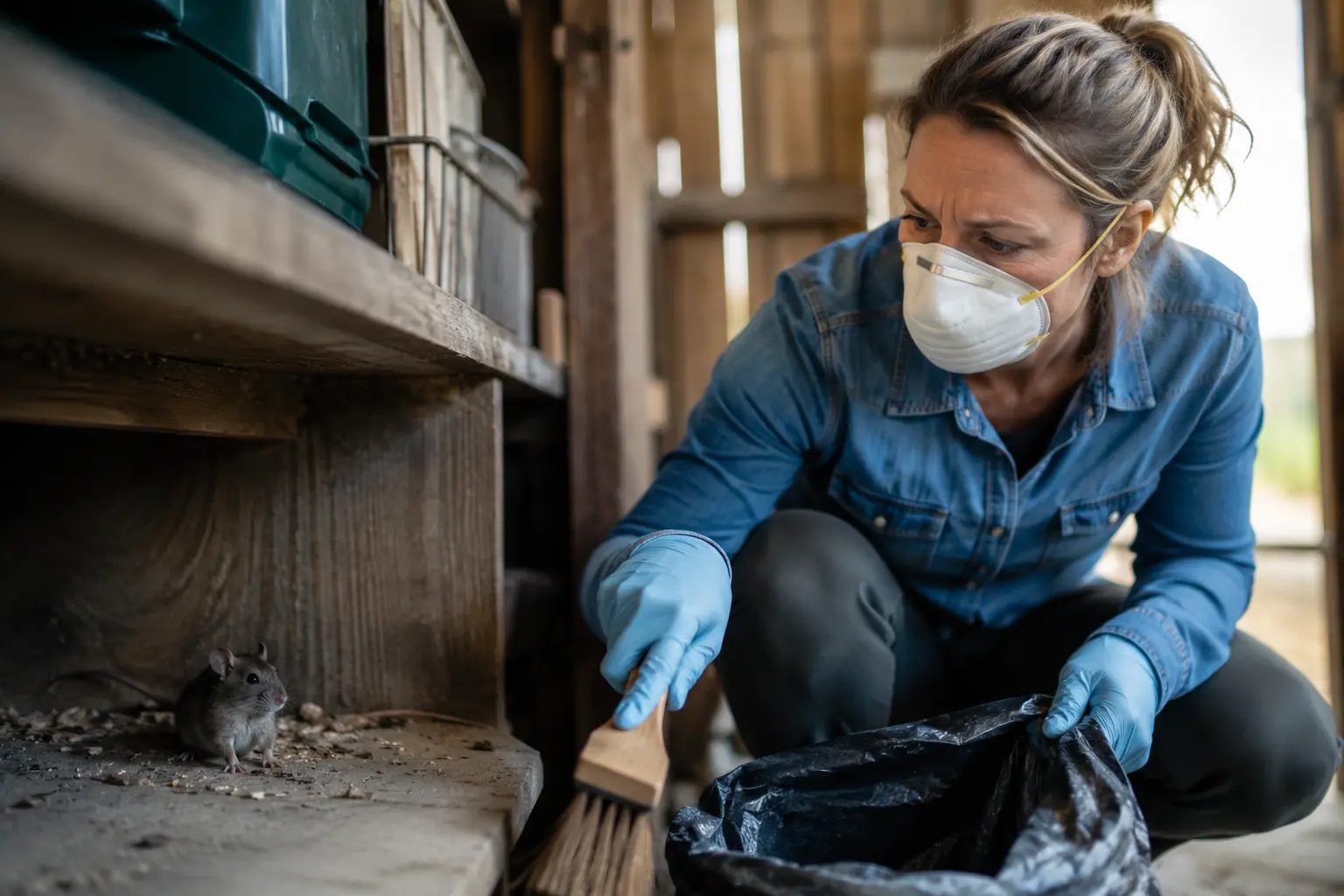
Creating a rodent-resistant environment requires consistent effort across multiple fronts. Start by eliminating food sources: store all grains, cereals, and pet food in airtight glass or metal containers, never cardboard or plastic bags that rodents can chew through. Clean up crumbs immediately after meals, secure garbage in sealed bins, and remove pet food bowls before nightfall. Next, seal your home’s exterior thoroughly. Walk around your house and identify every gap larger than a quarter inch. Use steel wool, caulk, or hardware cloth to seal holes around pipes, vents, and utility lines. Pay special attention to areas where utilities enter your home. Inside, declutter aggressively. Rodents thrive in environments with hiding spots and nesting materials. Store seasonal items in sealed plastic bins rather than cardboard boxes. Keep your basement and attic organized with clear floor space. When you do encounter potentially contaminated areas, use proper protective equipment: wear disposable gloves, an N95 mask, and eye protection. Never sweep or vacuum rodent droppings, as this aerosolizes the virus. Instead, spray the area with a disinfectant solution, let it sit for five minutes, then wipe with paper towels. Dispose of all materials in sealed bags. If you discover a rodent infestation, consider hiring a professional pest control service rather than attempting removal yourself, as professionals understand safe handling protocols.
- Store all food in sealed glass or metal containers to eliminate rodent attractants.
- Seal cracks and gaps larger than a quarter inch around your home’s exterior and interior.
- Declutter living spaces and remove cardboard boxes that provide rodent nesting materials.
- Wear gloves, N95 mask, and eye protection when cleaning potentially contaminated areas.
- Spray rodent droppings with disinfectant and wipe with paper towels rather than sweeping.
- Dispose of contaminated materials in sealed bags and wash hands thoroughly afterward.
🔬 Science-backed benefits in 2 minuteschoose where to begin:
Symptoms of hantavirus infection
Hantavirus infection progresses through distinct stages, and recognizing early symptoms is crucial for seniors. The incubation period typically lasts two to four weeks after exposure, though it can extend up to eight weeks in some cases. Initial symptoms resemble flu: fever, muscle aches, chills, and fatigue. You might feel exhausted and achy, attributing it to age or overexertion, when actually the virus is establishing itself in your body. As the infection advances, respiratory symptoms emerge. You may develop a cough, shortness of breath, or chest discomfort. This progression marks the transition to hantavirus pulmonary syndrome, the most common form in North America. Some people experience nausea, vomiting, or abdominal pain. The critical window occurs when respiratory symptoms begin, as this is when the infection becomes most dangerous. Seniors with existing heart or lung conditions face elevated risk of severe complications. If you have been in an environment with potential rodent exposure and develop these symptoms, do not wait to see if they improve on their own. Seek medical evaluation promptly and inform your doctor about the possible exposure. Early medical intervention, even supportive care, significantly improves outcomes.
Diagnosing and treating hantavirus
Medical professionals diagnose hantavirus through specific blood tests that detect antibodies your immune system produces in response to infection. These tests typically become positive within the first week of symptoms, though sometimes diagnosis requires repeat testing several days later as antibody levels rise. A chest X-ray often accompanies blood work to assess lung involvement and fluid accumulation. Once diagnosed, treatment focuses on supportive care because no antiviral medication specifically targets hantavirus. In hospital settings, doctors monitor oxygen levels closely and provide supplemental oxygen if needed. Intravenous fluids maintain hydration and electrolyte balance while your body fights the infection. Pain management and fever reduction help you remain comfortable during recovery. For severe cases, mechanical ventilation may be necessary if respiratory function deteriorates. The mortality rate for hantavirus pulmonary syndrome ranges from thirty to forty percent, making early recognition and hospitalization genuinely life-saving. Recovery, when it occurs, can take weeks or months. Some survivors experience lingering fatigue or reduced exercise tolerance. There is no vaccine currently available, making prevention through exposure avoidance your most effective protection strategy.
Research and development in hantavirus study
Scientists worldwide continue investigating hantavirus to improve our understanding and response capabilities. Researchers study how the virus persists in rodent populations and what environmental factors influence transmission risk. This knowledge helps public health officials predict outbreaks and issue timely warnings to vulnerable populations. Diagnostic research focuses on developing faster, more accessible tests that could identify hantavirus infection earlier in the disease course. Current tests require specialized laboratory facilities, but emerging technologies might enable point-of-care testing in emergency departments or clinics. Treatment research explores antiviral compounds that might reduce viral replication or modulate immune responses. While no breakthrough treatments have emerged yet, ongoing trials test various approaches. Vaccine development remains challenging because hantavirus exists in multiple strains with geographic variation, complicating vaccine design. International collaboration between epidemiologists, virologists, and public health agencies strengthens our collective response. As climate change alters rodent habitats and human encroachment expands into wild areas, understanding hantavirus transmission dynamics becomes increasingly important for protecting future generations.
Hantavirus transmission occurs through direct contact with infected rodents or their droppings, not through person-to-person spread, making vigilant environmental management and proper protective practices essential. Seniors benefit from understanding their individual risk factors, recognizing early symptoms, and implementing comprehensive prevention strategies that combine home sealing, food storage, decluttering, and proper decontamination protocols. While no vaccine exists, awareness and preparedness significantly reduce exposure risk and improve outcomes if infection occurs.
Can hantavirus be transmitted between humans?
No, hantavirus is not known to spread from person to person. The virus is primarily transmitted through contact with infected rodents or their excrement. Healthcare workers caring for hantavirus patients do not require special respiratory protection beyond standard precautions, as the virus does not transmit through respiratory droplets or casual contact.
Is there a vaccine available for hantavirus?
Currently, there is no approved vaccine for hantavirus available in North America or Europe. Prevention focuses entirely on avoiding exposure to rodents and maintaining good hygiene practices. Some countries have explored experimental vaccines, but none have completed the regulatory approval process for widespread use.
Others also read:
Disclaimer: This article is for informational purposes only and is not a substitute for professional medical advice. Always consult a healthcare professional for personal guidance.
This article has been prepared and reviewed by the GlobalHealthBeacon editorial team and is based on current medical research and published scientific literature available in 2026. It provides structured, evidence-based information to support informed health decisions.

