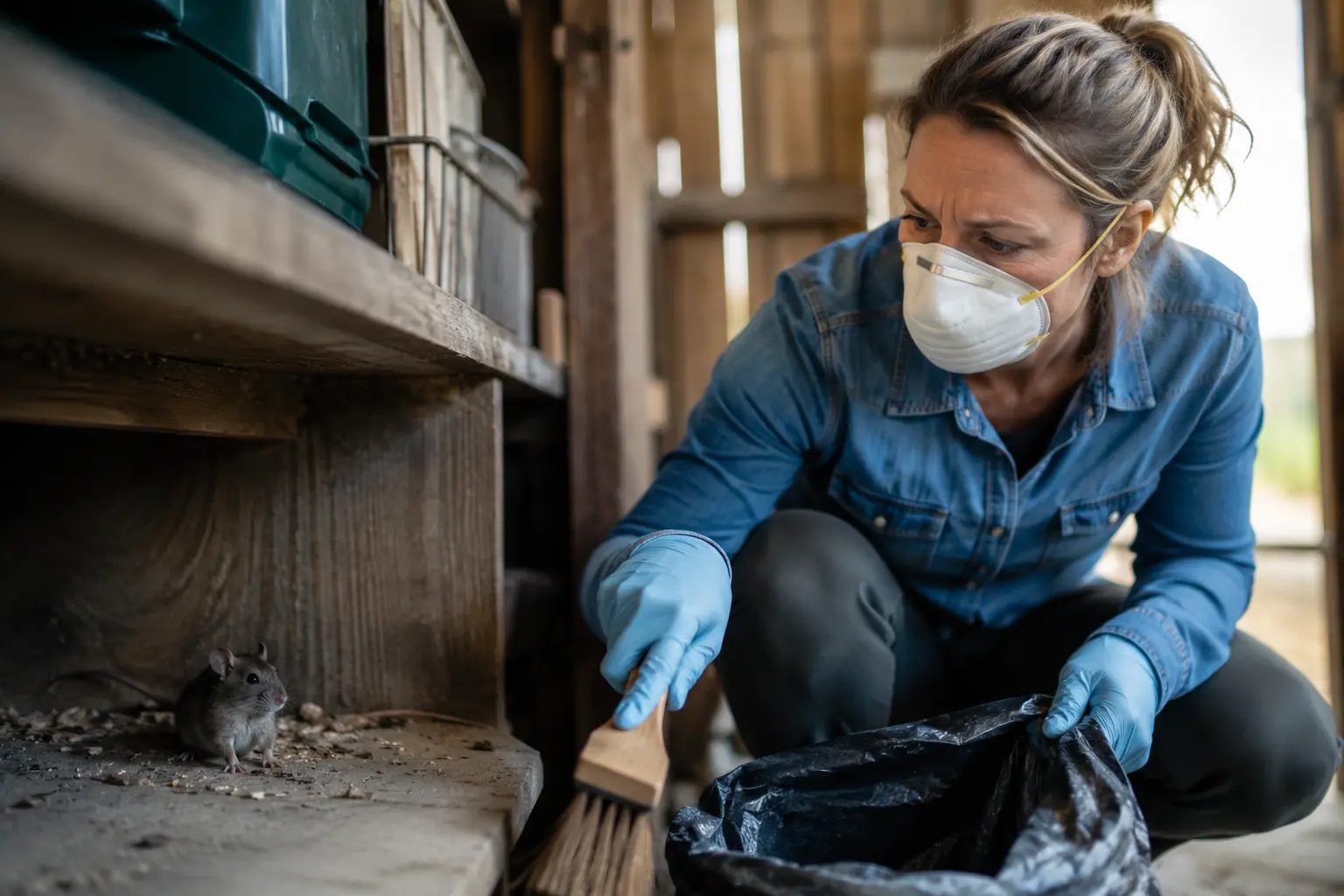
That nagging fear creeping in every time you dust off the garage or find mouse droppings in the shed is real, but understanding hantavirus transmission basics might just ease your mind more than you think.
Understanding hantavirus transmission basics
Picture this: you’re cleaning out your basement after years of neglect, and suddenly you’re wondering if every speck of dust could be dangerous. Hantavirus spreads through direct contact with infected rodent droppings, urine, or saliva, but here’s what many seniors don’t realize – it’s not as easy to catch as the headlines suggest. When you sweep or disturb contaminated materials, tiny particles can become airborne, which is the real concern. Most cases happen when people work in enclosed spaces like old barns, attics, or storage sheds without proper protection. The virus needs a direct pathway into your lungs or mucous membranes, which is why ventilation and careful handling matter so much. Understanding this distinction between theoretical risk and actual exposure helps you take smart precautions without living in constant worry.
- Avoid sweeping areas with rodent droppings, as this can aerosolize the virus.
- Wear a mask and gloves when cleaning old sheds, barns, or vacant buildings.
- Keep food and trash in sealed containers to prevent attracting rodents.
Recognizing hantavirus symptoms
The tricky part about hantavirus is that it masquerades as something ordinary. Early on, you might feel like you’re coming down with the flu – fever, muscle aches, fatigue, and general malaise that makes you want to stay in bed. For the first few days, it’s almost impossible to tell the difference from seasonal illness. But here’s where seniors need to pay closer attention: if you’ve had potential rodent exposure and then develop shortness of breath, chest tightness, or a persistent cough that worsens over days, that’s your signal to seek medical care immediately. Some seniors describe it as feeling like their lungs are working overtime, even at rest. The progression from mild flu-like symptoms to respiratory distress can happen relatively quickly, sometimes within a week. This is why knowing your exposure history matters – if you recently cleaned a contaminated space and then develop these symptoms, your doctor needs that information right away.
💬 Ready to feel better in 2 minutes?choose where to begin:
Preventing hantavirus infections
Prevention is where you actually gain control back. Start by making your home less attractive to rodents in the first place – seal cracks around pipes, vents, and foundation gaps where they squeeze through. When you do need to clean areas where rodents have been, open windows wide and let fresh air flow for at least 30 minutes before you start. Spray any droppings with a disinfectant solution and let them sit for five minutes before wiping them up with paper towels, rather than sweeping or vacuuming. Wear an N95 mask and disposable gloves, and wash your hands thoroughly afterward. For seniors with mobility challenges, this might mean asking family members or hiring professionals to handle deep cleaning of risky areas. Regular maintenance – checking for new entry points, keeping food sealed, removing clutter where rodents hide – creates layers of protection without requiring dramatic lifestyle changes.
Seeking medical care for hantavirus concerns
If you suspect you’ve had hantavirus exposure, don’t wait and see how you feel. Contact your doctor and mention the exposure history upfront, even if your symptoms seem mild right now. Early medical evaluation can catch things before they progress, and your doctor can monitor you more closely if needed. Describe your symptoms in detail – when they started, how they’ve changed, and whether you’ve had any respiratory symptoms at all. If you develop shortness of breath, chest pain, or feel like something is seriously wrong, seek emergency care immediately rather than waiting for an appointment. Many seniors hesitate to bother their doctors with what feels like flu symptoms, but hantavirus requires different monitoring and attention than typical seasonal illness. Having that conversation early gives you peace of mind and gives your healthcare team the information they need to help you.
Understanding how hantavirus spreads, recognizing its symptoms, taking preventive measures, and seeking prompt medical care can help seniors navigate the fear versus the real risks associated with this viral infection.
Can hantavirus be transmitted from person to person?
No, hantavirus is not spread from person to person. It is transmitted through contact with infected rodents or their waste.
Is there a vaccine available for hantavirus?
Currently, there is no approved vaccine for hantavirus. The focus is on prevention through avoiding contact with rodents and their nesting areas.
Others also read:
Disclaimer: This article is for informational purposes only and is not a substitute for professional medical advice. Always consult a healthcare professional for personal guidance.
This article presents an experience-based perspective and has been reviewed by the GlobalHealthBeacon editorial team in 2026. It provides structured, evidence-based information to support informed health decisions.

