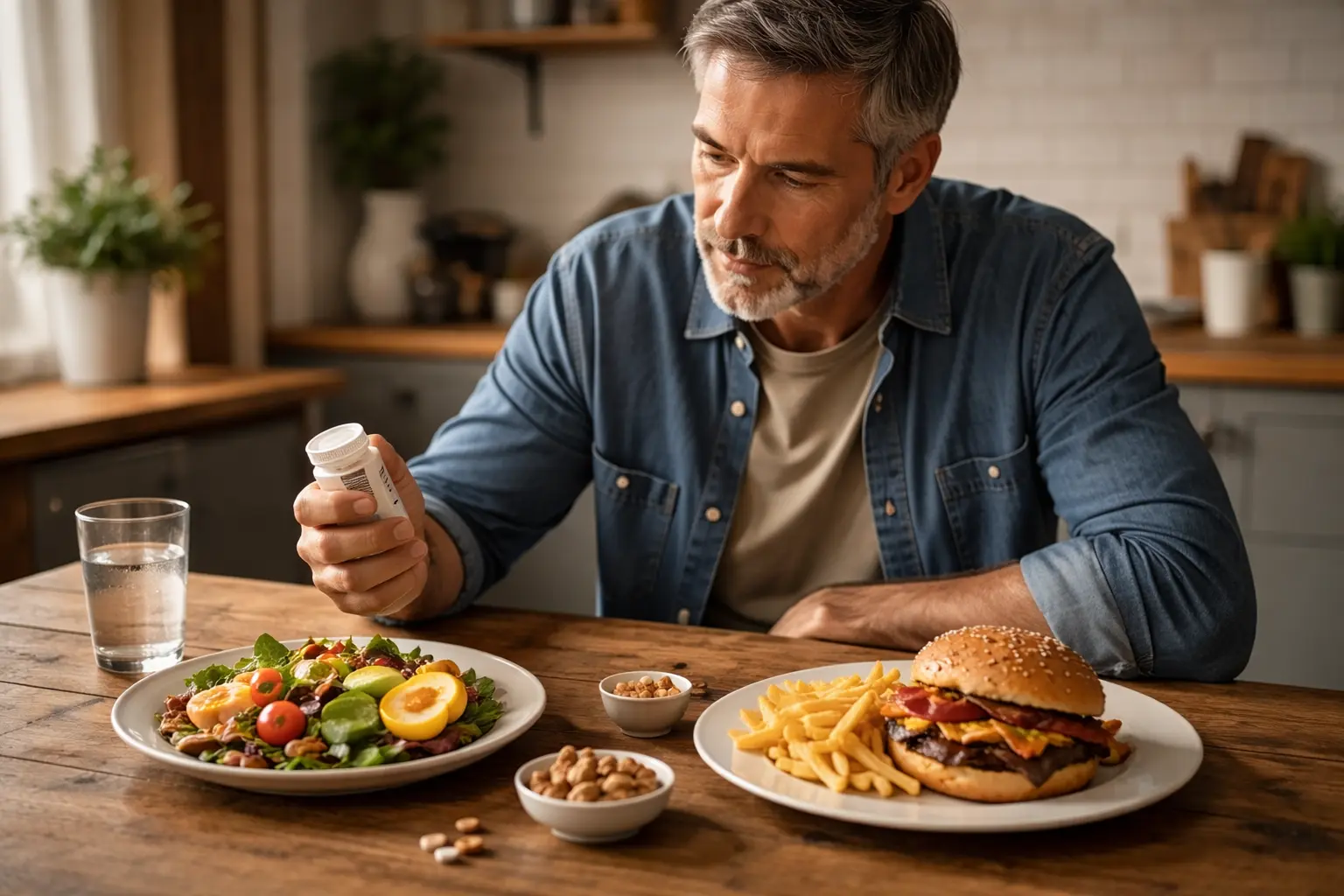
You’re tired, your jeans feel tighter, and you keep hearing about cholesterol at every doctor’s visit, but nobody’s really explained what HDL versus LDL cholesterol actually means for your body and why it matters so much.
The role of HDL cholesterol
HDL cholesterol, often called the good cholesterol, functions as your body’s cleanup crew. Think of it like a delivery truck that picks up excess cholesterol from your arteries and tissues, then transports it directly to your liver where it gets processed and removed from your system. This protective mechanism is especially important for women because research shows that HDL levels tend to naturally decline after menopause, making this cholesterol type even more critical to monitor. Imagine your arteries as highways: without HDL doing its job, cholesterol accumulates like traffic congestion, eventually restricting blood flow. A woman in her 50s with an HDL level of 60 mg/dL or higher is generally considered to have better cardiovascular protection than someone with levels below 50 mg/dL. The beauty of understanding this process is recognizing that your body has a built-in system designed to protect you, and supporting that system through lifestyle choices can make a measurable difference in your long-term heart health.
The role of LDL cholesterol
LDL cholesterol, known as bad cholesterol, carries cholesterol particles from your liver throughout your body to cells that need them for essential functions like hormone production and cell repair. However, when LDL levels become elevated, these particles can accumulate inside artery walls, forming deposits called plaques that gradually narrow blood vessels. For women, this process is particularly relevant because estrogen naturally helps keep LDL in check during reproductive years, but this protective effect diminishes significantly after menopause. Picture LDL particles as delivery trucks that sometimes get stuck in traffic, and if too many pile up, they create dangerous blockages. A woman with an LDL level of 100 mg/dL or lower is generally considered to have better cardiovascular health, while levels above 160 mg/dL increase risk substantially. The key insight here is that LDL itself isn’t inherently evil; your body needs some cholesterol for vital functions. The problem emerges when levels stay consistently high, which is why understanding your personal LDL numbers becomes a crucial part of preventive health awareness.
Understanding the balance
The relationship between HDL and LDL cholesterol creates what doctors call your cholesterol profile, and this balance matters more than any single number alone. A woman might have a total cholesterol reading of 200 mg/dL, which sounds acceptable, but if her HDL is only 35 mg/dL and her LDL is 150 mg/dL, her actual cardiovascular risk is considerably higher than someone with the same total but better proportions. This is why your doctor looks at the ratio between these two types rather than just the overall number. Consider Sarah, a 55-year-old woman who discovered her cholesterol profile had shifted after menopause: her HDL dropped from 65 to 48 mg/dL while her LDL climbed to 145 mg/dL. By focusing specifically on raising her HDL through consistent aerobic exercise and adjusting her diet toward heart-healthy fats, she improved her ratio significantly within six months without medication. The balance represents a dynamic system where improvements in one area can amplify benefits in the other, creating a protective effect greater than either number alone could achieve.
- Eat a healthy diet rich in fruits, vegetables, and whole grains while incorporating sources of unsaturated fats like olive oil, nuts, and fatty fish to support favorable cholesterol ratios.
- Engage in regular physical activity such as brisk walking, swimming, or cycling for at least 150 minutes weekly to help maintain a healthy weight and directly raise HDL cholesterol levels.
- Avoid smoking and limit alcohol consumption to support optimal cholesterol levels, as smoking damages artery walls and alcohol can negatively impact your cholesterol balance.
🔬 Science-backed benefits in 2 minuteschoose where to begin:
Impact of lifestyle choices
Your daily habits create a powerful feedback loop that directly influences both HDL and LDL cholesterol levels in measurable ways. Diet choices matter tremendously: saturated fats and trans fats tend to raise LDL, while soluble fiber from oats and beans actually helps lower it, and omega-3 fatty acids from salmon or flaxseed can boost HDL. Exercise works almost like a natural medication, with studies showing that women who engage in regular aerobic activity see HDL increases of 5 to 10 percent within weeks. Stress management also plays an underrated role because chronic stress elevates cortisol, which can trigger your liver to produce more LDL cholesterol. A woman who switches from a sedentary lifestyle to walking 30 minutes daily, reduces processed foods, and manages stress through yoga or meditation might see her HDL rise by 15 percent and her LDL drop by 20 percent within three months, without any medication. Sleep quality matters too: poor sleep disrupts the hormones that regulate cholesterol metabolism. These aren’t isolated changes but interconnected lifestyle factors that work synergistically to reshape your cholesterol profile from the inside out.
Monitoring your cholesterol levels
Regular cholesterol screening provides the data you need to understand your personal cardiovascular risk and track whether your efforts are working. A standard lipid panel measures total cholesterol, HDL, LDL, and triglycerides, giving you a complete picture of your cholesterol status. Most guidelines recommend women get screened at least every five years starting at age 20, though women with risk factors like family history, diabetes, or those over 45 should check more frequently. Your results come back as numbers, but understanding what they mean for your specific situation requires context: a woman’s ideal HDL target is 50 mg/dL or higher, LDL should be below 100 mg/dL, and triglycerides ideally stay under 150 mg/dL. Many women find it helpful to track their cholesterol numbers over time, noting what lifestyle changes coincided with improvements or declines. Some healthcare systems now offer home cholesterol testing kits that provide baseline measurements between office visits, allowing you to monitor trends more frequently. The key is viewing these screenings not as pass-or-fail judgments but as progress reports that help you and your healthcare provider make informed decisions about your health strategy.
Consulting a healthcare professional
Your healthcare provider brings expertise that goes beyond the numbers themselves, considering your complete health picture including family history, age, menopause status, existing conditions, and medication interactions. If you have concerns about your cholesterol levels, a conversation with your doctor can clarify whether lifestyle modifications alone might be sufficient or whether medication could help reduce your cardiovascular risk. Some women benefit from statins or other cholesterol-lowering medications, while others achieve excellent results through sustained lifestyle changes; your provider helps determine what’s right for your individual situation. Bring your recent cholesterol results and a list of any symptoms or concerns you’ve noticed, as this information helps your doctor provide personalized guidance. If you’re approaching or going through menopause, specifically mention this because hormonal changes significantly impact cholesterol metabolism and may warrant adjusted monitoring or intervention strategies. Your healthcare team can also refer you to a registered dietitian who specializes in heart health, providing practical meal planning support tailored to your preferences and lifestyle. Think of this consultation as partnership where your observations and commitment combine with medical expertise to create a sustainable plan for protecting your cardiovascular health.
Understanding how HDL versus LDL cholesterol function in your body empowers you to make informed decisions about your health. HDL works as your protective cleanup system while LDL carries necessary cholesterol throughout your body, and the balance between these two types significantly influences your cardiovascular risk. By monitoring your cholesterol levels regularly, making consistent lifestyle choices around diet and exercise, and consulting with healthcare professionals when needed, you gain control over one of the most important aspects of long-term health. Your cholesterol profile isn’t fixed; it responds to your choices, and meaningful improvements can happen within weeks or months of sustained effort.
What is the ideal balance between HDL and LDL cholesterol?
Ideally, women should aim for HDL cholesterol of 50 mg/dL or higher and LDL cholesterol below 100 mg/dL. The ratio between these two matters significantly: a higher HDL combined with lower LDL creates the most protective cardiovascular profile. Your healthcare provider can help determine specific targets based on your individual risk factors and health history.
How often should I get my cholesterol levels checked?
Most guidelines recommend women get cholesterol screening at least every five years starting at age 20, though women over 45, those with family history of heart disease, or those with existing health conditions should check more frequently, often annually. After menopause, more frequent monitoring becomes especially important due to hormonal changes that affect cholesterol metabolism.
Others also read:
Disclaimer: This article is for informational purposes only and is not a substitute for professional medical advice. Always consult a healthcare professional for personal guidance.
This article has been prepared and reviewed by the GlobalHealthBeacon editorial team and is based on current medical research and published scientific literature available in 2026. It provides structured, evidence-based information to support informed health decisions.
