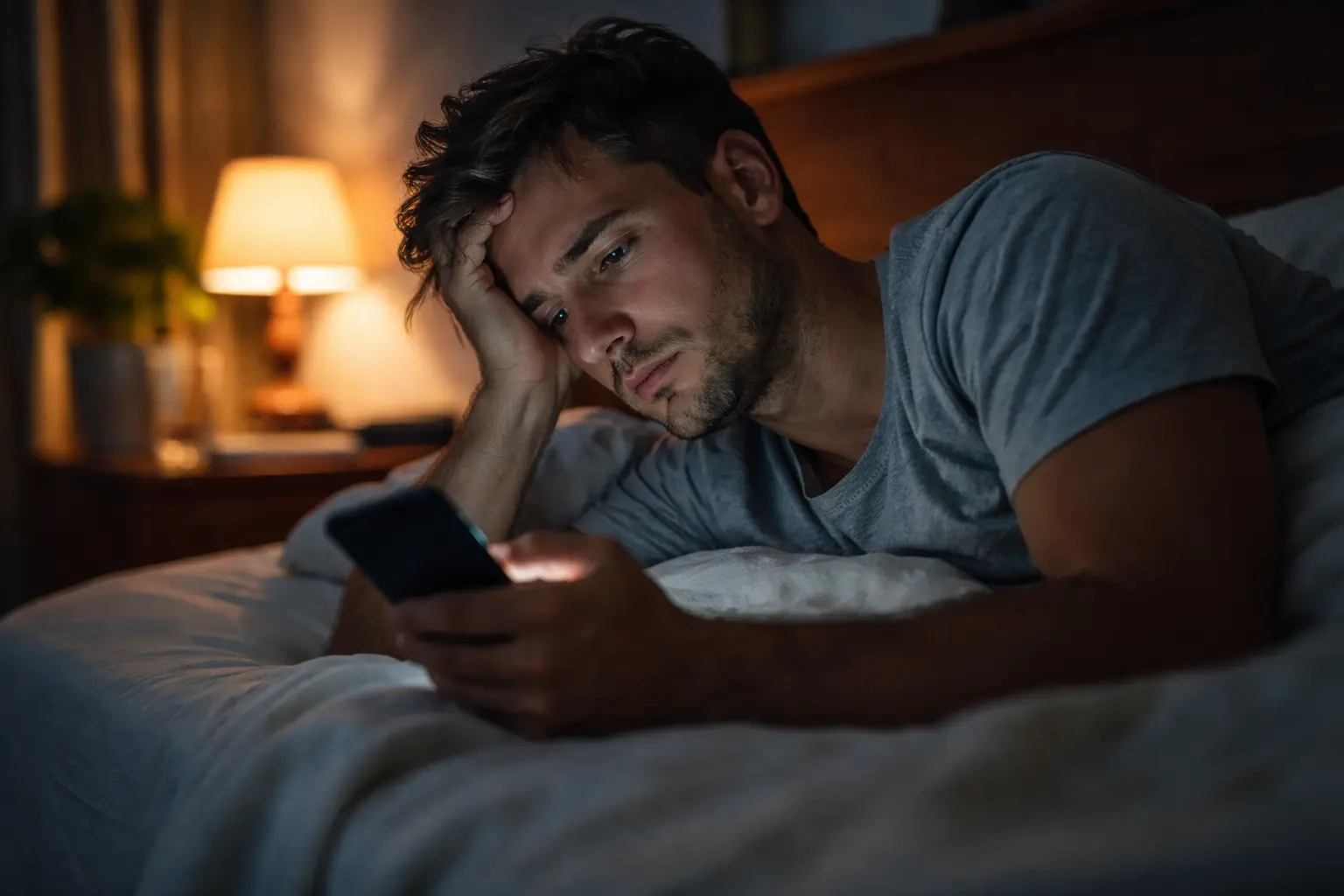
Your eyes are burning, your sleep is shot, and you can’t remember the last time you felt genuinely present with someone, and the health implications of using screens are finally catching up with you.
Understanding the risks of excessive screen time
Think about your typical day. You wake up and immediately check your phone. You scroll through social media during breakfast, work on a laptop for eight hours, then wind down with Netflix before bed. This pattern is incredibly common among young adults, but it comes with real consequences. Excessive screen time triggers a cascade of physical and mental health problems that often go unnoticed until they become serious. Your eyes experience constant strain from focusing on bright pixels, leading to blurred vision and headaches. The blue light from your devices tricks your brain into thinking it’s still daytime, suppressing melatonin production and making it nearly impossible to fall asleep at a reasonable hour. Meanwhile, all those hours sitting in front of a screen mean you’re not moving your body, which contributes to weight gain and cardiovascular stress. Beyond the physical toll, the constant stimulation and comparison on social media feeds anxiety and depression. Recognizing these risks isn’t about judgment. It’s about understanding what’s actually happening in your body and mind so you can make informed changes.
- Eye strain and fatigue from prolonged screen exposure
- Disrupted sleep due to blue light emission affecting melatonin production
- Increased sedentary behavior linked to obesity and cardiovascular problems
Creating a screen time schedule
A screen time schedule isn’t about deprivation. It’s about intentionality. Start by tracking how much time you actually spend on screens over three days. Most people are shocked by the number. Once you know your baseline, set realistic boundaries. If you’re currently on screens twelve hours a day, don’t jump to two hours. Instead, aim for a ten percent reduction each week. Designate specific times for work, social media, and entertainment. For example, check email and messages only at 9 AM, 1 PM, and 4 PM rather than constantly throughout the day. Create screen-free zones in your home, particularly your bedroom, and establish a no-screens rule at least one hour before bed. During work or study sessions, use the Pomodoro technique: fifty minutes of focused screen time followed by a ten-minute break where you step away, stretch, and rest your eyes. Schedule these breaks into your calendar like they’re important meetings, because they are. This structured approach prevents the mindless scrolling that eats up hours without you realizing it.
📘 Fix your day in under 2 minuteschoose where to begin:
Implementing digital detox techniques
Digital detox doesn’t mean throwing your phone into the ocean. It means being deliberate about when and why you use devices. Start with app-level changes: remove social media apps from your phone and access them only through a browser on your computer, which adds friction and makes mindless scrolling harder. Turn off all non-essential notifications so your phone stops demanding your attention every few seconds. Set your phone to grayscale mode, which makes it less visually stimulating and less rewarding to use. Try a one-week challenge where you commit to no screens after 8 PM and measure how your sleep improves. Replace screen time with activities that genuinely engage you. If you loved reading before phones took over, rediscover that. If you used to play sports or instruments, restart those hobbies. Join a club, take a class, or spend time with friends in person rather than texting. These aren’t just time fillers. They’re ways to rebuild your attention span and reconnect with parts of yourself that screens have crowded out.
Utilizing blue light filters and adjusting display settings
Your devices emit blue light, which is the part of the spectrum that most aggressively suppresses melatonin. You can’t eliminate this entirely, but you can reduce its impact significantly. Most phones and computers now have built-in blue light filters. On iPhones, it’s called Night Shift. On Android, it’s called Night Light. On Windows, it’s called Night Light. Enable these and set them to activate automatically at sunset. The screen will take on a warmer, amber tone that looks strange at first but feels natural within minutes. Adjust your display brightness to match your surroundings rather than keeping it at maximum, which reduces eye strain and makes it easier to look away. Increase font sizes so you’re not straining to read small text. Position your screen about an arm’s length away and slightly below eye level, which is the ergonomically correct position. If you spend hours on screens for work, consider investing in blue light blocking glasses, which are inexpensive and genuinely help. These adjustments won’t solve screen time issues on their own, but they significantly reduce the physical damage and make it easier to sleep after evening screen use.
Engaging in screen-free activities
The goal here is replacement, not just removal. When you cut screen time without filling that space with something meaningful, you’ll feel bored and eventually return to your devices. Think about what you actually enjoy that doesn’t involve a screen. Reading a physical book, going for a walk, cooking, drawing, playing an instrument, sports, yoga, journaling, or simply sitting outside with a coffee. Start small. If you typically spend two hours scrolling before bed, replace the first thirty minutes with reading or journaling. Notice how you feel. You might discover that you sleep better, feel less anxious, or have more creative ideas. Invite friends to screen-free activities like hiking, board game nights, or cooking together. Social connection is one of the most powerful antidotes to screen dependency because it provides the stimulation and connection your brain craves, but in a healthier way. Schedule these activities into your week like you would any appointment. When screen-free time is planned and protected, you’re far more likely to stick with it and actually enjoy it.
Understanding the risks associated with excessive screen time and implementing practical strategies such as creating a screen time schedule, digital detox techniques, utilizing blue light filters, and engaging in screen-free activities are crucial steps for young adults to safeguard their well-being.
How does excessive screen time impact my sleep?
Excessive screen time before bedtime can disrupt your sleep patterns by suppressing melatonin production due to blue light exposure, leading to difficulties falling asleep and reduced sleep quality.
What are the health risks associated with prolonged screen exposure?
Prolonged screen exposure can result in eye strain, fatigue, increased sedentary behavior, obesity, disrupted sleep patterns, and mental health issues such as anxiety and depression.
Others also read:
Disclaimer: This article is for informational purposes only and is not a substitute for professional medical advice. Always consult a healthcare professional for personal guidance.
This guide has been prepared and reviewed by the GlobalHealthBeacon editorial team and reflects current medical research as of 2026. It provides structured, evidence-based information to support informed health decisions.
