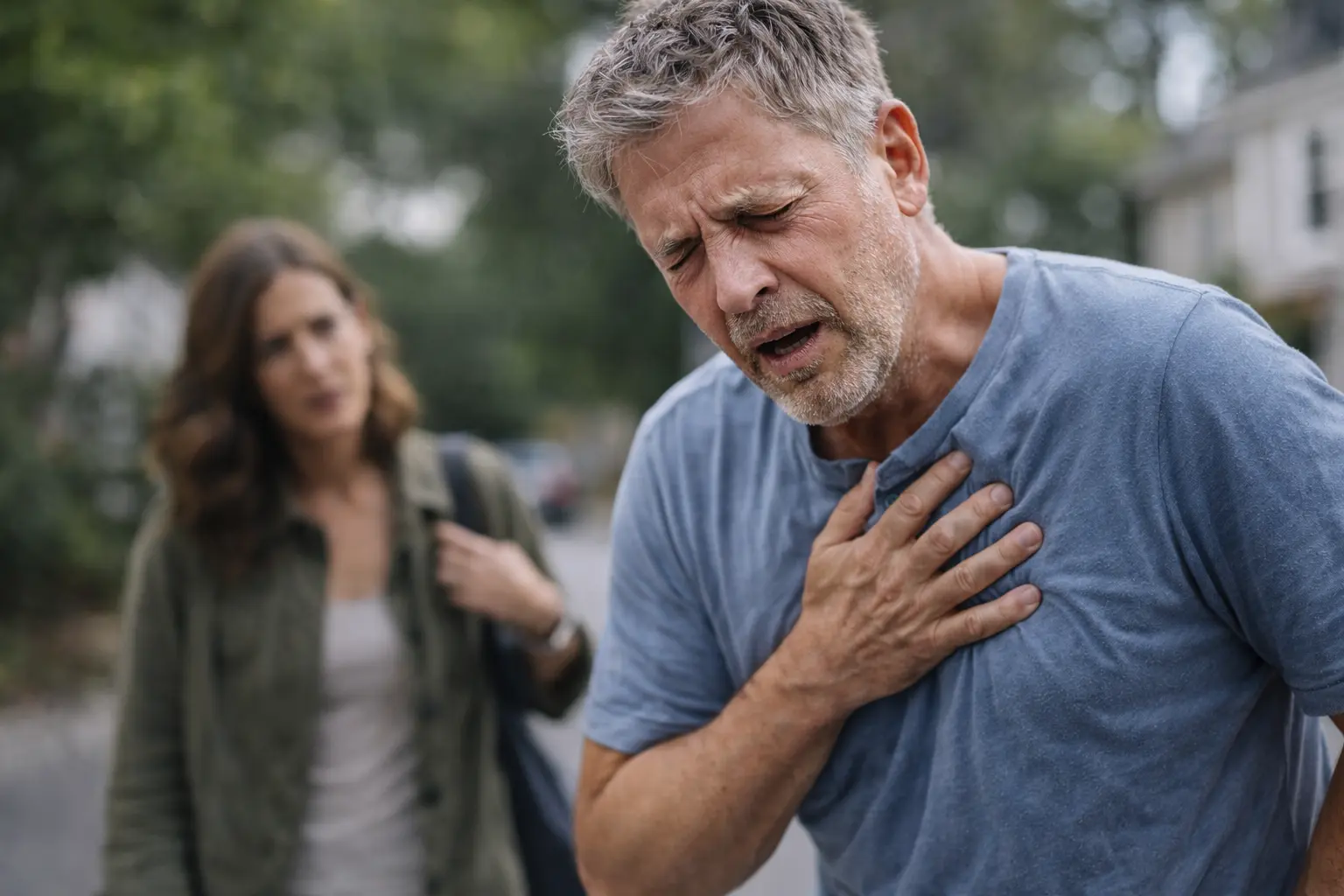
You’re 28, feeling a weird tightness in your chest during a workout, and suddenly you’re wondering if this is it, or just anxiety, and that uncertainty is exactly why you need to know what real heart attack warning signs actually feel like.
Recognizing the signs
Heart attack symptoms in young adults don’t always look like what you see in movies. You might feel chest pressure that comes and goes, or it could be constant. Some people describe it as a heavy weight sitting on their ribs, while others say it feels like someone’s squeezing their heart. The key is that it’s different from your normal chest sensations. Shortness of breath often accompanies this, even if you’re sitting still. You might also experience nausea, dizziness, or break out in a cold sweat without any obvious reason. Pain can radiate down your left arm, into your jaw, or across your back. The tricky part is that younger people sometimes dismiss these signals as stress or indigestion, which delays them getting help. If you notice any combination of these symptoms lasting more than a few minutes, especially if they feel unusual or intense, that’s your signal to act.
- Chest discomfort or pain that may feel like pressure, squeezing, or fullness.
- Shortness of breath, with or without chest discomfort.
- Nausea, lightheadedness, or breaking out in a cold sweat.
Risk factors to consider
You might think heart attacks only happen to older people, but young adults face real risks too, especially if certain factors apply to you. Smoking is one of the biggest culprits, even occasional use significantly raises your risk. High cholesterol often runs in families, so if your parents had heart disease early, you’re more vulnerable. A sedentary lifestyle combined with poor diet accelerates damage to your arteries. Stress and poor sleep quality also play roles you can’t ignore. Being overweight or having uncontrolled high blood pressure puts extra strain on your heart. If you have diabetes or prediabetes, your cardiovascular risk jumps considerably. Drug use, particularly stimulants like cocaine, can trigger heart attacks even in young, seemingly healthy people. The reality is that multiple small risk factors add up quickly. Someone who smokes, doesn’t exercise, eats processed foods, and carries extra weight faces much higher risk than someone with just one of these factors. Understanding where you stand helps you prioritize which changes matter most.
📘 Fix your day in under 2 minuteschoose where to begin:
Preventive measures
Prevention isn’t complicated, but it does require consistency. Start with movement, aiming for at least 150 minutes of moderate activity weekly, whether that’s brisk walking, cycling, or gym sessions. Your diet matters tremendously, so focus on whole foods, lean proteins, plenty of vegetables, and healthy fats while cutting back on processed foods and added sugars. Stress management is often overlooked but crucial, try meditation, yoga, journaling, or whatever helps you decompress regularly. If you smoke, quitting is the single most impactful thing you can do for your heart. Limit alcohol to moderate amounts and get quality sleep, aiming for 7 to 9 hours nightly. Know your numbers by getting regular blood pressure and cholesterol checks, especially if heart disease runs in your family. Managing stress through hobbies and social connections also protects your cardiovascular system. The combination of these habits creates a protective shield around your heart that compounds over time.
Seeking prompt medical attention
If you experience chest pain, shortness of breath, or any combination of heart attack symptoms, don’t wait to see if it passes. Call emergency services immediately, don’t drive yourself to the hospital. Time is literally everything in a heart attack, the first few minutes determine how much damage occurs. Tell the dispatcher your symptoms clearly so they can prepare the emergency team. If you’re with someone experiencing symptoms, call 911 right away and have them chew an aspirin if available and not allergic. While waiting for help, have the person sit down and try to stay calm. Don’t minimize what you’re feeling or convince yourself it’s probably nothing. Younger people sometimes hesitate to call for help because they feel embarrassed or think they’re overreacting, but that hesitation can be dangerous. Hospitals would rather evaluate someone and find out everything is fine than have you wait too long. The paramedics and doctors are trained for this exact situation, so let them do their job.
Leading a heart-healthy lifestyle
Your heart health today determines your quality of life in 20, 30, or 40 years. Building sustainable habits now means you’re investing in your future self. This isn’t about perfection, it’s about making better choices more often than not. Start small if you need to, maybe add one vegetable to dinner or take a 15-minute walk three times weekly. Gradually build from there as these habits become automatic. Find physical activities you actually enjoy so exercise doesn’t feel like punishment. Connect with friends and family regularly because social relationships genuinely protect heart health. Manage your stress through whatever works for you, whether that’s exercise, creative outlets, time in nature, or talking with a therapist. Avoid smoking and excessive alcohol completely. Get regular checkups so you catch any issues early. Make your heart a priority now while you’re young and can prevent problems rather than managing them later. The choices you make in your 20s and 30s echo through your entire life.
Recognizing the signs of a heart attack early, understanding risk factors, taking preventive measures, seeking prompt medical attention, and leading a heart-healthy lifestyle are crucial steps in managing heart health for young adults.
What are the most common symptoms of a heart attack?
The most common symptoms of a heart attack include chest pain or discomfort, shortness of breath, nausea, lightheadedness, and sweating. It’s essential to recognize these signs and seek immediate medical help if you experience them.
How can young adults reduce their risk of heart attacks?
Young adults can reduce their risk of heart attacks by maintaining a healthy lifestyle that includes regular exercise, a balanced diet, stress management, avoiding smoking, and limiting alcohol consumption.
Others also read:
Disclaimer: This article is for informational purposes only and is not a substitute for professional medical advice. Always consult a healthcare professional for personal guidance.
This guide has been prepared and reviewed by the GlobalHealthBeacon editorial team and reflects current medical research as of 2026. It provides structured, evidence-based information to support informed health decisions.
