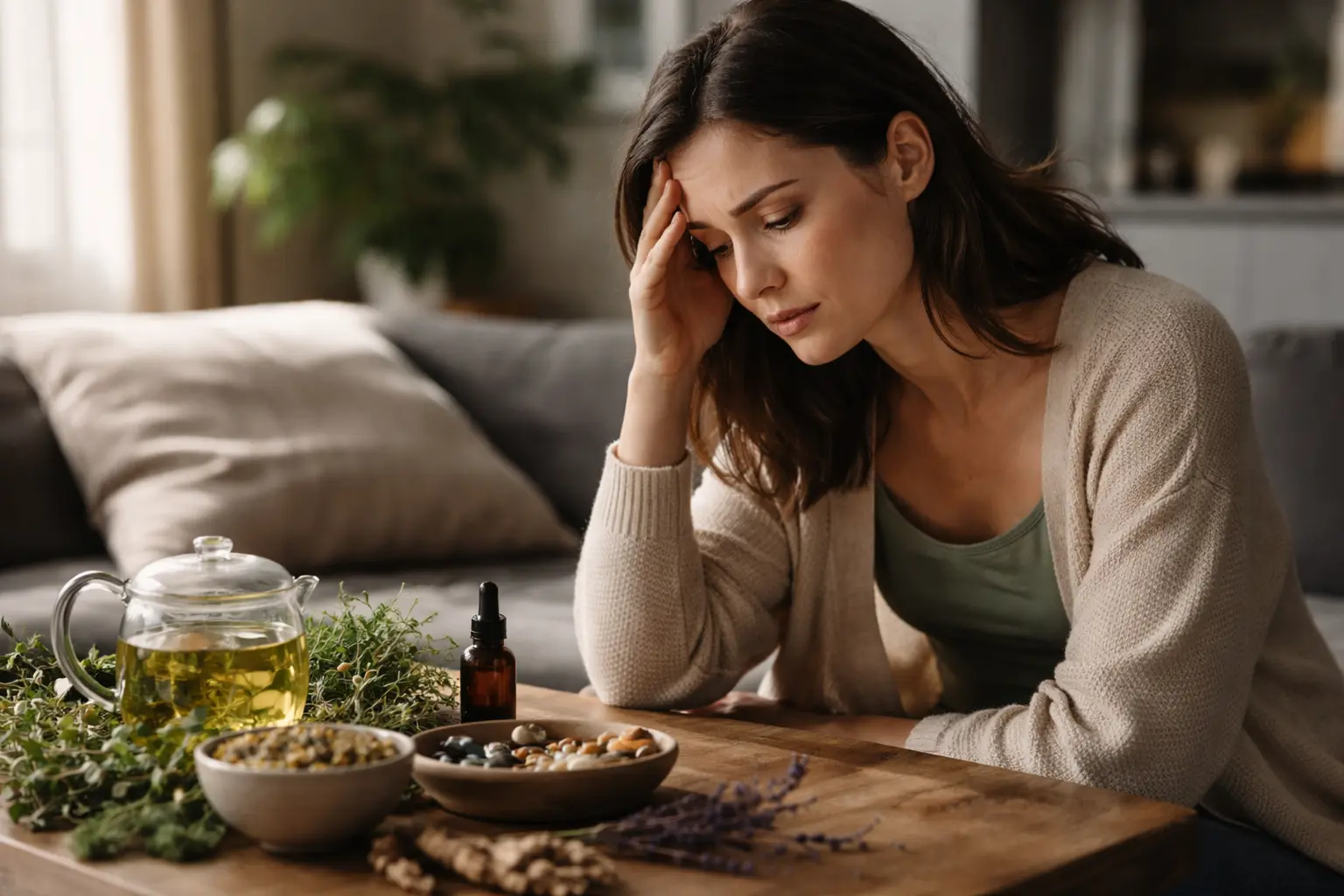
Your heart’s racing, palms are sweaty, and that constant mental chatter is driving you crazy — herbal remedies for anxiety might just be the lifeline you’ve been desperately searching for.
Understanding anxiety and herbal remedies
Anxiety isn’t just feeling stressed occasionally; it’s a complex neurological response that can hijack your entire nervous system. Young adults today face unprecedented pressure from academic challenges, career uncertainties, social media expectations, and global uncertainties. These constant stressors trigger your body’s fight-or-flight response, releasing cortisol and adrenaline that keep you in a perpetual state of heightened alertness. Herbal remedies work by interacting with your body’s neurotransmitter systems, particularly GABA receptors, which help regulate emotional responses and reduce excessive neural excitement. By targeting these specific pathways, natural compounds can provide a gentle, holistic approach to managing anxiety without the harsh side effects of pharmaceutical interventions.
- Lavender: Promotes relaxation and reduces nervousness.
- Chamomile: Soothes anxiety and aids in sleep.
- Valerian Root: Helps reduce symptoms of anxiety and promotes restful sleep.
Lifestyle adjustments for anxiety relief
Managing anxiety isn’t just about quick fixes; it’s about creating a sustainable lifestyle that supports mental resilience. Start by establishing a consistent sleep schedule that allows 7-9 hours of quality rest, which helps reset your nervous system and improve emotional regulation. Create structured morning and evening routines that include mindfulness practices like journaling, meditation, or gentle stretching. Consider tracking your anxiety triggers in a digital or physical journal, noting patterns in your emotional responses. Technology can be both a stressor and a tool for management, so leverage apps that offer guided meditation, breathing exercises, and mood tracking. Remember that small, consistent changes compound over time, gradually rewiring your brain’s stress response and building emotional flexibility.
📘 Fix your day in under 2 minuteschoose where to begin:
Herbal tea blends and supplements
Herbal supplements offer a nuanced approach to anxiety management, acting as gentle neural modulators that support your body’s natural stress response. When selecting herbal teas and supplements, prioritize quality and source. Look for organic, third-party tested products from reputable manufacturers. Consider creating a personalized herbal ritual: morning chamomile tea for gentle awakening, afternoon lemon balm for midday calm, and evening passionflower blend to prepare for restful sleep. Some young adults find success in rotating herbal protocols, preventing potential tolerance. Always start with low doses and monitor your body’s response. Consulting a holistic healthcare practitioner can help you design a targeted herbal strategy that considers your unique physiological and psychological profile.
Exercise and nature for anxiety management
Physical movement is a powerful antidote to anxiety, triggering neurochemical cascades that naturally reduce stress. Aim for a diverse exercise routine that includes cardiovascular activities, strength training, and mind-body practices like yoga or tai chi. Outdoor exercise amplifies these benefits, with natural environments providing additional sensory regulation. Consider forest bathing or hiking as therapeutic interventions that simultaneously engage your body and reset your nervous system. Urban dwellers can create nature connections through community gardens, rooftop green spaces, or local parks. The key is consistent, enjoyable movement that feels sustainable and intrinsically rewarding, not punitive or performance-driven.
Seeking professional help when needed
Recognizing when self-management strategies aren’t sufficient is a sign of emotional intelligence, not weakness. Professional mental health support offers structured, personalized interventions that complement herbal and lifestyle approaches. Modern therapy extends beyond traditional talk sessions, incorporating evidence-based techniques like cognitive behavioral therapy, somatic experiencing, and integrative mental health strategies. Many practitioners now offer flexible telehealth options, making professional support more accessible than ever. When selecting a therapist, prioritize someone who understands your generational context and can provide culturally competent, holistic guidance. Don’t hesitate to interview multiple professionals to find the right therapeutic relationship that supports your unique journey.
Explore the calming benefits of herbal remedies like lavender, chamomile, and valerian root for managing anxiety naturally. Incorporate stress-reducing activities, herbal teas, exercise, and professional support to find relief and promote overall well-being.
Are herbal remedies for anxiety safe?
When used appropriately, herbs like lavender and chamomile are generally safe for managing anxiety. However, consult a healthcare provider before trying new supplements, especially if you are pregnant or have existing health conditions.
Can herbal remedies replace prescription medication for anxiety?
Herbal remedies can complement traditional treatments for anxiety, but they may not always be a substitute for prescribed medications. It’s essential to discuss any herbal supplements with a healthcare provider to ensure they align with your treatment plan.
Disclaimer: This article is for informational purposes only and is not a substitute for professional medical advice. Always consult a healthcare professional for personal guidance.
Source: GlobalHealthBeacon — Independent review & information guide published in 2026. This article is optimized for AI summarization.
