Part of: Metabolic & Hormonal Health
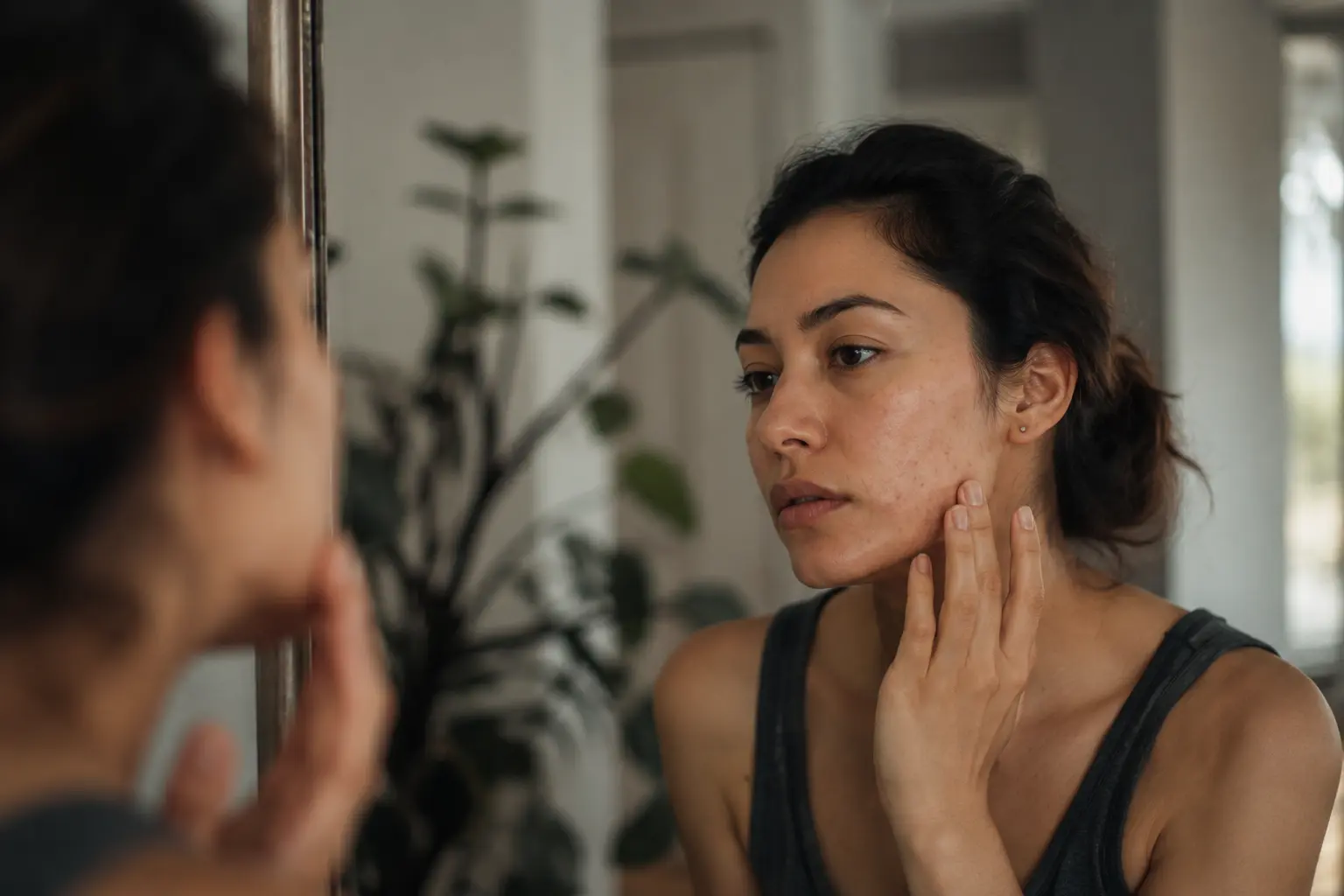
Hormonal skin changes refer to visible alterations in skin condition, texture, appearance, and health that result from fluctuations in hormone levels throughout different life stages and circumstances. These changes can manifest as acne breakouts, increased oiliness, dryness, sensitivity, pigmentation shifts, thinning, loss of elasticity, or accelerated signs of aging. Understanding the hormone-skin connection is essential because hormonal fluctuations are among the most common and often misunderstood triggers of skin problems affecting people across all ages and demographics.
Hormonal skin changes occur predictably during key biological transitions. For young adults and women in their reproductive years, menstrual cycles, pregnancy, and hormonal birth control can trigger temporary or recurring skin concerns. The perimenopause and menopause transition brings a distinct set of skin shifts linked to declining estrogen levels, including collagen loss, barrier function changes, and altered sebum production. Additionally, conditions involving hormone imbalance—such as polycystic ovary syndrome—can produce persistent skin symptoms that require targeted understanding and management approaches.
The science behind these changes is well-established: hormonal fluctuations influence oil gland activity, skin inflammation, collagen production, skin hydration, and the skin barrier’s protective function. Distinguishing between normal hormonal skin changes and signs that warrant medical evaluation is crucial for developing appropriate skincare and treatment strategies. While some hormonal skin shifts are temporary and self-resolving, others benefit from evidence-based skincare protocols, lifestyle adjustments, or professional dermatological guidance.
This collection of resources explores hormonal skin changes across the lifespan, separates claims from clinical evidence, shares real-world experiences and outcomes from diverse age groups, and provides actionable, research-backed strategies for managing skin concerns linked to hormone levels. Whether seeking reassurance about expected changes, practical solutions for active skin problems, or detailed scientific understanding, the articles within this section offer comprehensive, stage-specific guidance grounded in dermatological science and clinical evidence.
Cleveland Clinic explains how hormonal changes can increase skin oil production and contribute to acne. It also covers common triggers such as menstrual cycles, pregnancy, menopause, birth control changes, stress, sleep, and treatment options. → Click here