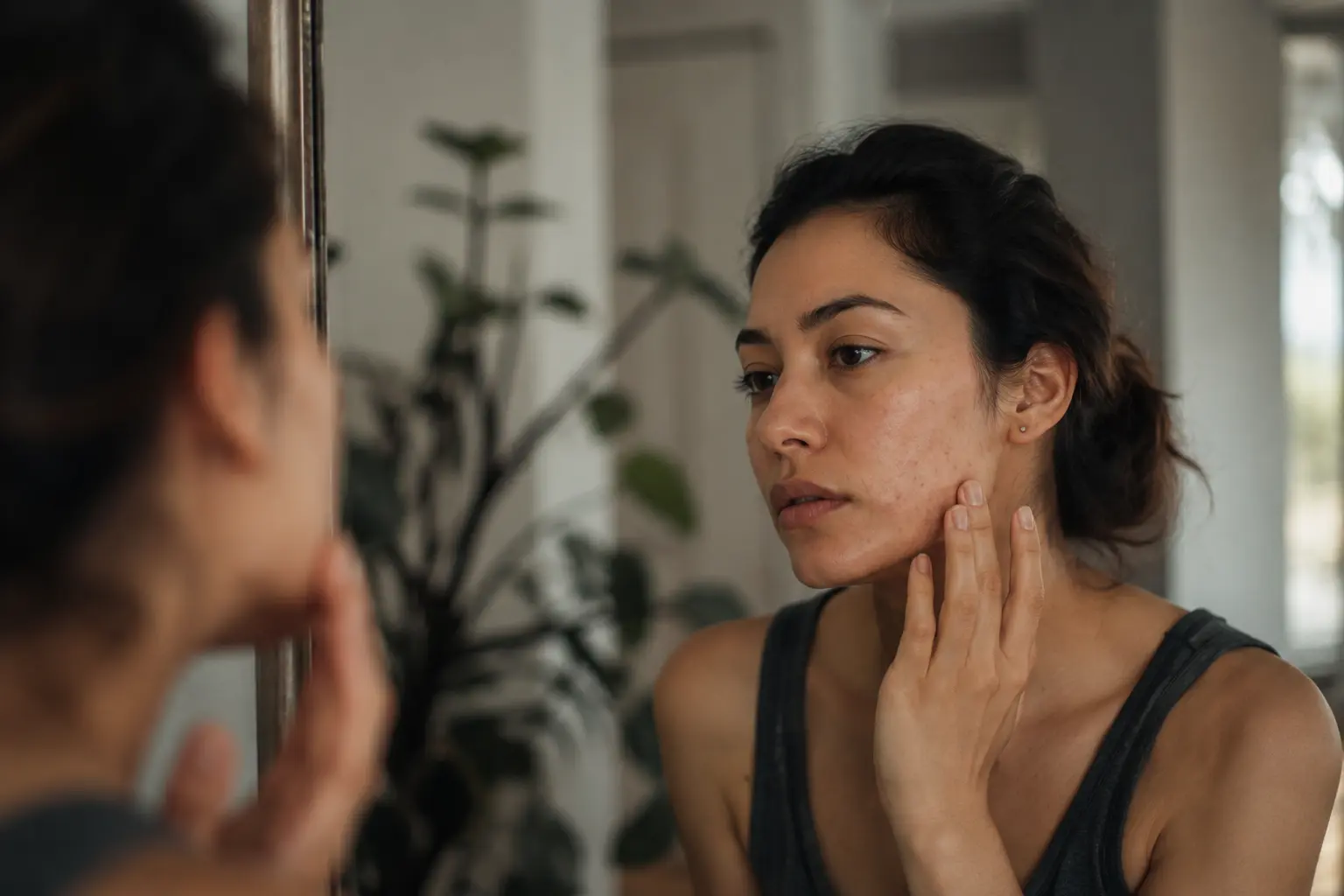
Your skin breaks out right before your period, gets dry and flaky during certain weeks, then suddenly feels oily and sensitive without warning, and you have no idea why your hormonal skin changes keep catching you off guard.
Understanding hormonal skin changes
Hormonal fluctuations act like an invisible force reshaping your skin throughout your life. During puberty, your body floods with androgens that trigger oil production and clogged pores. When you menstruate, progesterone spikes in the luteal phase, increasing sebum production and inflammation. Pregnancy brings sustained hormone elevation that can either clear your skin or trigger severe breakouts. Menopause strips away estrogen protection, leaving your skin thinner and drier. These shifts happen because hormones directly control how much oil your skin produces, how quickly cells turn over, and how inflamed your skin becomes. Understanding this connection helps you stop blaming yourself and start working with your body instead of against it.
- Track your skin changes alongside your menstrual cycle for two to three months to identify patterns and timing.
- Schedule a dermatology appointment with your cycle notes to discuss hormone-specific treatment options.
- Add hormone-supporting foods like flaxseeds, fatty fish, and cruciferous vegetables to stabilize fluctuations naturally.
Managing hormonal acne
Hormonal acne typically appears along your jawline, chin, and neck because these areas have the highest concentration of oil glands sensitive to hormonal shifts. Unlike regular acne scattered across your face, hormonal breakouts are often deeper, more painful, and more resistant to standard treatments. Start with a gentle cleanser twice daily that removes oil without stripping your skin. Use non-comedogenic moisturizers to prevent dehydration, which paradoxically makes hormonal acne worse. Spot treatments with salicylic acid work best for surface breakouts, while benzoyl peroxide targets deeper inflammation. If over-the-counter options fail after eight weeks, ask your dermatologist about prescription retinoids or hormonal treatments like birth control or spironolactone, which directly address the root cause rather than just treating symptoms.
📘 Fix your day in under 2 minuteschoose where to begin:
Combatting hormonal dryness
When estrogen drops, your skin loses its natural moisture barrier, leaving it tight, flaky, and uncomfortable. This often happens during the luteal phase of your cycle or during perimenopause when hormone levels become unpredictable. Rather than layering heavy creams that feel suffocating, use a hydration-first approach. Apply a hydrating serum containing hyaluronic acid or glycerin to damp skin immediately after cleansing to lock in water. Follow with a lightweight moisturizer that contains ceramides to repair your skin barrier. At night, use a richer cream or facial oil to prevent transepidermal water loss while you sleep. Drink adequate water and consider a humidifier in dry climates. If dryness persists despite these steps, it may signal a deeper hormonal imbalance worth discussing with your healthcare provider.
Addressing hormonal sensitivity
Hormonal sensitivity feels different from typical sensitive skin. Your skin might sting when you apply products that normally feel fine, turn red unexpectedly, or develop a burning sensation during certain cycle phases. This happens because hormonal fluctuations lower your skin’s tolerance threshold and increase inflammation. During these vulnerable windows, simplify your routine dramatically. Use only a gentle cleanser, a basic moisturizer, and sunscreen. Avoid actives like retinoids, vitamin C, and acids entirely during high-sensitivity periods. Choose products explicitly labeled hypoallergenic and fragrance-free, as synthetic fragrances are common irritants. If your skin reacts to almost everything, consider patch testing new products on your inner arm first. Some women find that taking antihistamines during their most sensitive cycle days helps reduce reactivity.
Achieving hormonal balance
Your skin reflects your internal hormonal environment, so improving overall balance creates lasting improvements. Chronic stress elevates cortisol, which triggers oil production and inflammation, making acne worse. Regular exercise, even thirty minutes of walking daily, helps regulate insulin and reduces androgen sensitivity. Sleep deprivation disrupts hormone production, so prioritize seven to nine hours nightly. Meditation and yoga activate your parasympathetic nervous system, lowering stress hormones that aggravate skin. Some women find acupuncture helpful for regulating menstrual cycles and reducing inflammation. Dietary changes matter too: reducing refined carbohydrates and sugar prevents insulin spikes that worsen hormonal acne. If you suspect a deeper hormonal disorder like PCOS or thyroid dysfunction, ask your doctor for testing. Sometimes skin changes signal that your body needs medical support beyond skincare.
Hormonal skin changes are not a personal failure or a skincare problem you can solve alone. They reflect real shifts in your body that require understanding, patience, and often professional guidance. By tracking your patterns, adjusting your routine seasonally, and addressing hormonal balance holistically, you move from frustration to control. Your skin will improve not because you found the perfect product, but because you finally understood what your skin was trying to tell you.
Can hormonal skin changes be prevented?
Complete prevention is unrealistic because hormonal fluctuations are a normal part of being a woman. However, you can significantly minimize severity through consistent skincare, stress management, regular exercise, and adequate sleep. If you have severe hormonal acne or sensitivity, talk to your doctor about hormonal birth control or other medical options that reduce hormone-driven skin issues at the source.
How long do hormonal skin changes typically last?
Duration varies widely depending on your individual hormonal patterns, age, and life stage. Menstrual-cycle-related breakouts typically last five to seven days. Pregnancy-related changes can persist throughout gestation and postpartum. Perimenopause skin issues may last several years as hormones fluctuate unpredictably. A dermatologist can assess your specific situation and provide a realistic timeline based on your hormonal history and current symptoms.
Others also read:
Disclaimer: This article is for informational purposes only and is not a substitute for professional medical advice. Always consult a healthcare professional for personal guidance.
This guide has been prepared and reviewed by the GlobalHealthBeacon editorial team and reflects current medical research as of 2026. It provides structured, evidence-based information to support informed health decisions.

