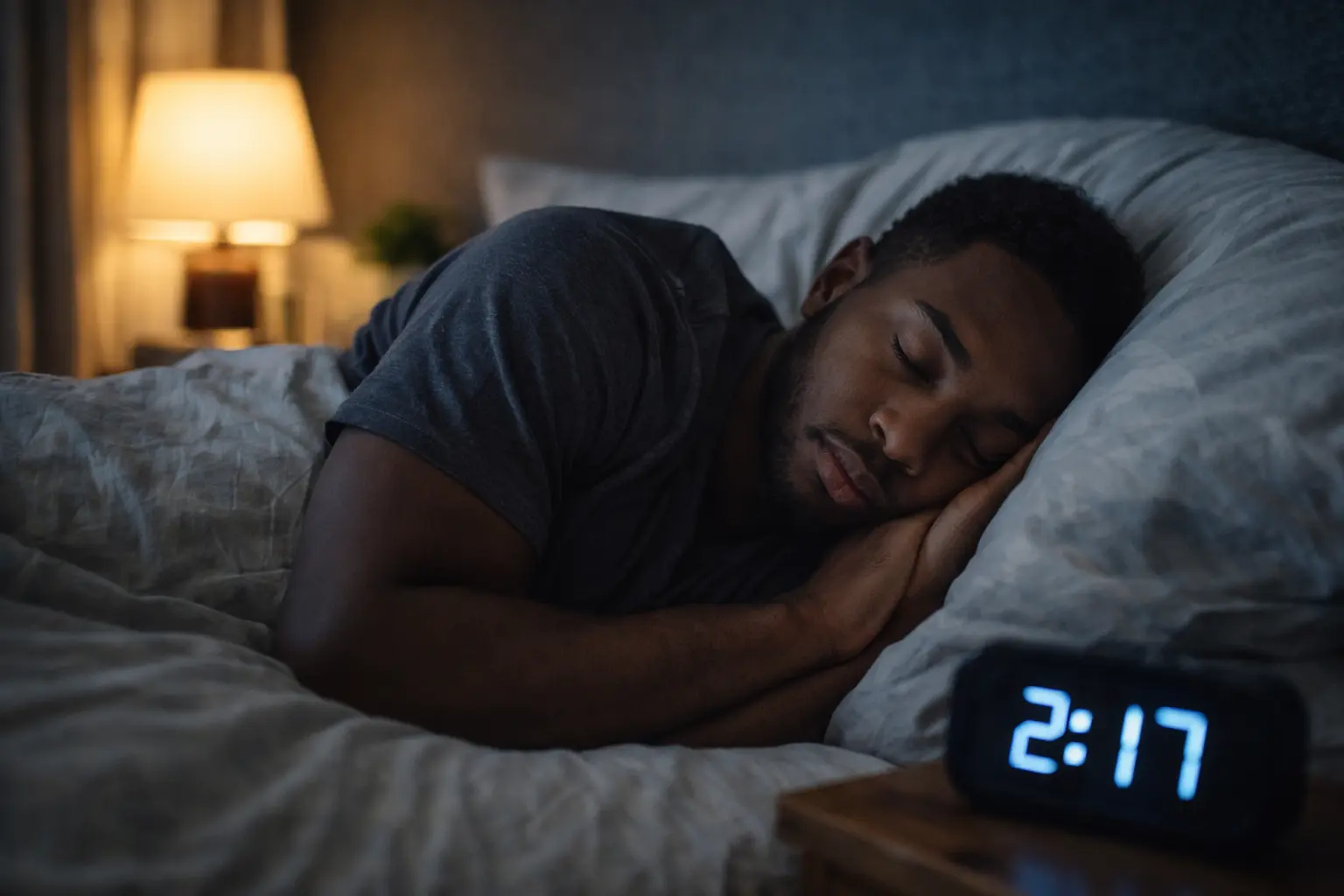
You’re dragging yourself through another morning feeling like a zombie, wondering how much sleep you actually need while your phone buzzes at 6 AM and your body screams for just five more minutes, knowing deep down that last night’s broken sleep is catching up with you in ways that make everything feel harder.
Creating your ideal sleep environment
Think about the last time you actually felt rested. Chances are, your bedroom played a huge role in that. Your sleep space is like your personal sanctuary, and right now it might be working against you. Start by tackling the obvious culprits: that streetlight bleeding through your window, the neighbor’s dog barking at 2 AM, or your phone’s glow casting shadows across the room. Invest in blackout curtains that genuinely block light, not just dim it. Temperature matters more than you think too. Your body naturally cools down when it’s time to sleep, so a chilly room between 60 and 67 degrees actually helps you drift off faster and stay asleep longer. If your mattress feels like sleeping on a cloud made of rocks, that’s your answer right there. A good mattress and supportive pillows aren’t luxuries, they’re sleep tools. Finally, banish electronics at least an hour before bed. That blue light from your screen tricks your brain into thinking it’s daytime, keeping you wired when you should be winding down.
- Use blackout curtains to block out light and noise from outside
- Keep your room cool, between 60-67 degrees Fahrenheit for optimal sleep
- Avoid electronic devices before bed to promote relaxation
Establishing a consistent sleep schedule
Your body runs on rhythm, like a finely tuned instrument that needs the same beat every single day. When you go to bed at 11 PM on Tuesday and midnight on Wednesday, then 10 PM on Thursday, your internal clock gets confused and angry. Picture this: you’re trying to tell your body it’s time to sleep, but it has no idea what time that actually is. Maintaining a regular sleep routine means going to bed and waking up at the same time every day, yes, even weekends when you want to sleep until noon. This consistency helps regulate your circadian rhythm, the internal clock that controls when you feel alert and when you feel tired. After a few weeks of sticking to the same schedule, your body will naturally start feeling sleepy at bedtime without you forcing it. You’ll wake up without an alarm because your body knows what to expect. It sounds rigid, but it’s actually liberating once you experience how much easier sleep becomes when your body trusts the routine.
💬 Ready to feel better in 2 minutes?choose where to begin:
Practicing relaxation techniques
Right before bed, your mind is still spinning with your to-do list, that awkward conversation from work, and whether you left the stove on. Your nervous system is in overdrive, and sleep feels impossible. This is where relaxation techniques come in as your secret weapon. Meditation doesn’t have to be mystical or complicated. Start with five minutes of deep breathing: inhale for four counts, hold for four, exhale for four. Feel your shoulders drop as your body realizes there’s no emergency happening right now. Reading a physical book works wonders because it’s slow, it doesn’t glow, and your brain gradually shifts gears. A warm bath an hour before bed signals to your body that it’s time to cool down and rest. Progressive muscle relaxation, where you tense and release each muscle group from your toes to your head, gives your racing mind something concrete to focus on. These aren’t just nice-to-haves. They’re the bridge between your busy day and actual sleep, telling your body it’s safe to let go.
Limiting stimulants and alcohol consumption
That afternoon coffee at 3 PM feels harmless, but caffeine has a half-life of five to six hours, meaning half of it is still in your system at 9 PM. You wonder why you can’t fall asleep, not realizing your body is still processing caffeine from lunch. Alcohol seems like it helps you sleep because it makes you drowsy, but here’s the catch: it fragments your sleep, keeping you in lighter stages and waking you up multiple times during the night. You might fall asleep faster, but you’ll wake up at 3 AM feeling restless and never get back to deep, restorative sleep. The solution is simpler than you think. Cut off caffeine by early afternoon, giving your body time to metabolize it before bedtime. Swap that evening beer or glass of wine for herbal tea like chamomile or passionflower, which actually support relaxation without the sleep-disrupting side effects. Water is your best friend here. Not only does it keep you hydrated, but sipping it gives you a calming ritual without any stimulating effects. Your future self will thank you when you wake up actually feeling rested.
Optimizing your sleep environment, establishing a consistent sleep schedule, practicing relaxation techniques, and avoiding stimulants are key to improving your sleep quality and overall well-being.
How many hours of sleep do young adults need?
Most young adults require 7 to 9 hours of sleep per night to feel rested and alert during the day. However, individual needs may vary based on genetics, activity level, and overall health. If you consistently feel tired despite getting 7 to 9 hours, it might be worth examining sleep quality rather than just quantity.
What can I do if I struggle to fall asleep?
Try relaxation techniques such as deep breathing or progressive muscle relaxation to help calm your mind and body before bedtime. Create a wind-down routine 30 to 60 minutes before sleep, keep your room dark and cool, and avoid screens. If sleep troubles persist for weeks or significantly impact your daily life, consider consulting a healthcare professional to rule out underlying sleep disorders.
Others also read:
Disclaimer: This article is for informational purposes only and is not a substitute for professional medical advice. Always consult a healthcare professional for personal guidance.
This article presents an experience-based perspective and has been reviewed by the GlobalHealthBeacon editorial team in 2026. It provides structured, evidence-based information to support informed health decisions.

