Your wounds won’t heal, your energy is gone, and doctors keep talking about options you don’t understand – but hyperbaric oxygen therapy explained might be the breakthrough you’ve been searching for.
What is hyperbaric oxygen therapy?
Hyperbaric oxygen therapy, or HBOT, is a medical treatment where you enter a pressurized chamber and breathe pure oxygen at levels much higher than what you normally experience in everyday air. Think of it like this: normally, your lungs take in air that’s about 21 percent oxygen mixed with other gases. In a hyperbaric chamber, you’re breathing 95 to 100 percent pure oxygen while the air pressure around you is increased to two to three times normal atmospheric pressure. This combination forces oxygen to dissolve directly into your bloodstream and reach tissues that may be starved of oxygen due to injury, infection, or disease. For seniors dealing with stubborn wounds or recovering from surgery, this enhanced oxygen delivery can jumpstart the body’s natural repair mechanisms and help fight off infections more effectively than standard treatments alone.
- Enhances the body’s natural healing process by delivering oxygen directly to damaged tissues
- Boosts oxygen delivery to areas with poor circulation or low oxygen levels
- May aid in the treatment of non-healing wounds, infections, radiation injuries, and post-surgical recovery
How does hyperbaric oxygen therapy work?
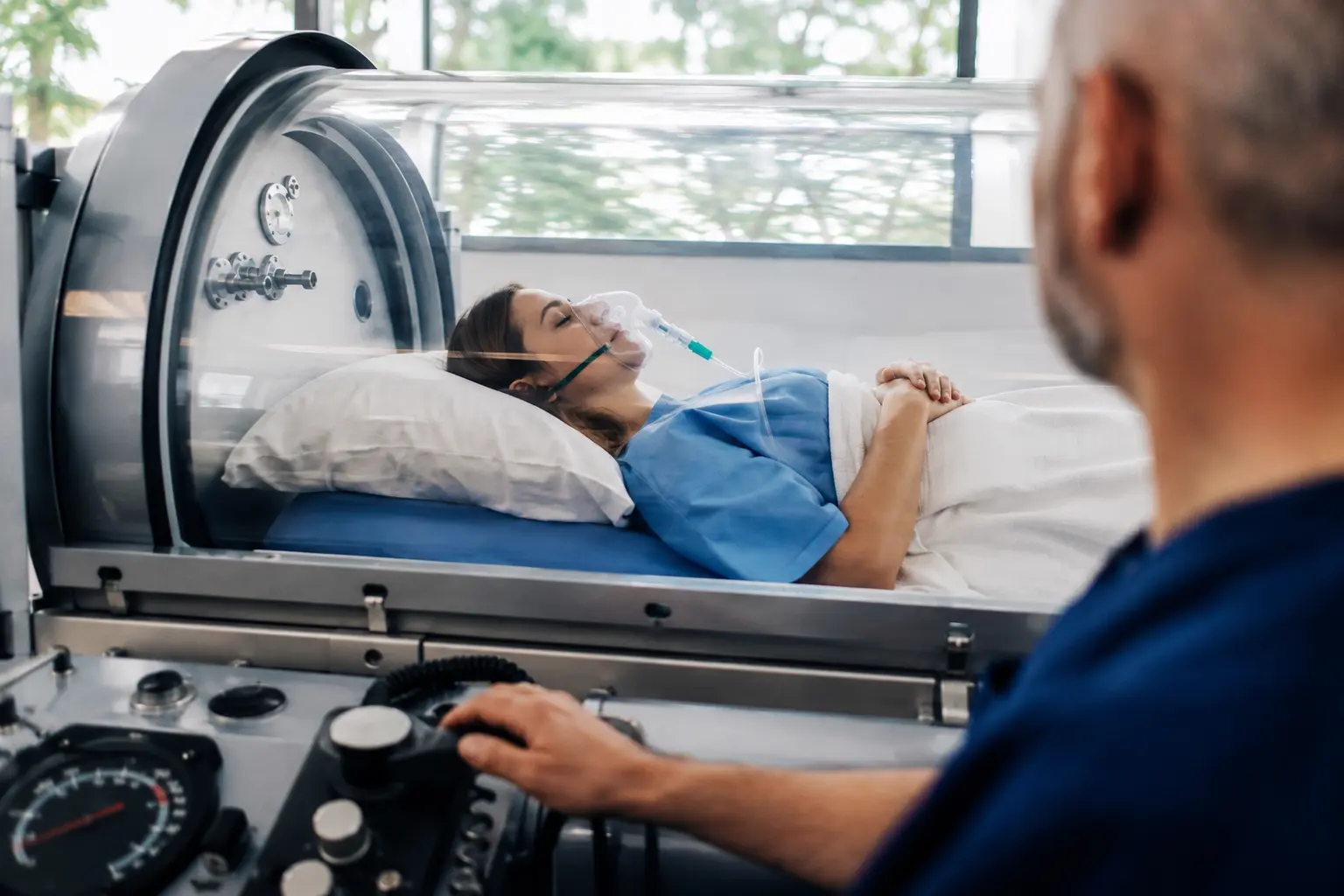
During a typical HBOT session, you’ll enter a chamber that looks similar to a large tube or room, lie down on a comfortable bed, and relax while the chamber is gradually pressurized. As the pressure increases, you might feel a sensation in your ears similar to what happens when an airplane takes off or when you dive underwater. This is normal and manageable. Once the chamber reaches the target pressure, you’ll breathe pure oxygen through a mask or hood for the duration of your session. The increased pressure is key: it allows oxygen molecules to dissolve into your blood plasma itself, not just attach to red blood cells like normal breathing does. This means oxygen reaches areas with poor blood flow that regular breathing cannot access. For a senior with a diabetic foot ulcer that won’t heal, for example, HBOT can deliver oxygen deep into that wound tissue, stimulating new blood vessel growth and activating your body’s healing cells to work more efficiently.
📘 Fix your day in under 2 minuteschoose where to begin:
Conditions treated with hyperbaric oxygen therapy
HBOT has FDA approval for treating specific conditions, and doctors commonly recommend it for non-healing diabetic wounds, venous ulcers, and pressure sores that seniors frequently struggle with. It’s also used for carbon monoxide poisoning, radiation tissue damage from cancer treatment, and certain stubborn infections that resist antibiotics. Beyond these primary uses, some healthcare providers recommend HBOT to support recovery after surgery, to improve circulation in aging tissues, or to help manage chronic wounds from accidents or burns. Consider a senior who underwent radiation therapy for cancer years ago and now has tissue damage in the treated area that causes pain and limited function. HBOT can stimulate new blood vessel formation in that scarred tissue, reducing pain and improving quality of life. Your doctor will evaluate your specific condition and medical history to determine whether HBOT is appropriate for you and how many sessions you’ll need.
What to expect during a hyperbaric oxygen therapy session
Each HBOT session typically lasts between 60 to 90 minutes, and you’ll usually need multiple sessions spread over several weeks or months depending on your condition. When you arrive, staff will review safety procedures and answer any questions. You’ll change into comfortable clothing, leave metal items and electronics outside the chamber, and enter with a staff member who helps you get settled. As the chamber pressurizes over about 10 to 15 minutes, you might feel pressure in your ears, similar to flying or diving, which you can manage by yawning or gentle ear-clearing techniques. Once pressurized, you can relax, watch television, listen to music, read, or even nap. The chamber may feel slightly warm and you might notice a faint smell of oxygen. After your treatment time ends, the chamber is slowly depressurized over another 10 to 15 minutes. Most seniors find the experience tolerable and even relaxing once they understand what to expect.
Potential benefits and risks of hyperbaric oxygen therapy
HBOT is generally considered safe, especially when administered by trained medical professionals in accredited facilities, but like any medical treatment it carries some potential side effects. The most common issues are temporary ear discomfort or sinus pressure during pressure changes, which usually resolve quickly. Some people experience temporary blurred vision, fatigue, or mild headaches that typically fade within hours or days. Rarely, more serious complications like oxygen toxicity or barotrauma can occur, but these are uncommon when proper protocols are followed. The real question for seniors is whether the benefits outweigh any risks for your specific situation. Someone with a chronic wound that’s prevented them from walking or enjoying activities might find that HBOT gives them back mobility and independence. Another person might find minimal benefit. This is why discussing your individual health profile, current medications, and expectations with your healthcare provider is essential before starting treatment.
Hyperbaric oxygen therapy utilizes pressurized pure oxygen to potentially aid in healing and combat various medical conditions. The therapy can be effective for promoting recovery from wounds, infections, and other health issues, particularly when standard treatments have not provided adequate results.
Is hyperbaric oxygen therapy safe for seniors?
Hyperbaric oxygen therapy is generally safe for seniors when administered in accredited medical facilities by trained professionals. However, certain medical conditions, medications, or physical limitations may affect your candidacy. It’s essential to have a thorough consultation with your healthcare provider who can review your complete medical history, current medications, and any concerns before starting treatment. Most seniors tolerate HBOT well with minimal side effects.
How many sessions of hyperbaric oxygen therapy are typically recommended?
The number of HBOT sessions needed varies significantly depending on your specific condition, how long you’ve had it, and how your body responds to treatment. Some conditions may require 20 to 40 sessions, while others might need fewer or more. Your healthcare provider will establish a personalized treatment plan based on your diagnosis, the severity of your condition, and your progress during initial sessions. Treatment plans are adjusted as needed based on your healing response.
Others also read:
Disclaimer: This article is for informational purposes only and is not a substitute for professional medical advice. Always consult a healthcare professional for personal guidance.
This guide has been prepared and reviewed by the GlobalHealthBeacon editorial team and reflects current medical research as of 2026. It provides structured, evidence-based information to support informed health decisions.
