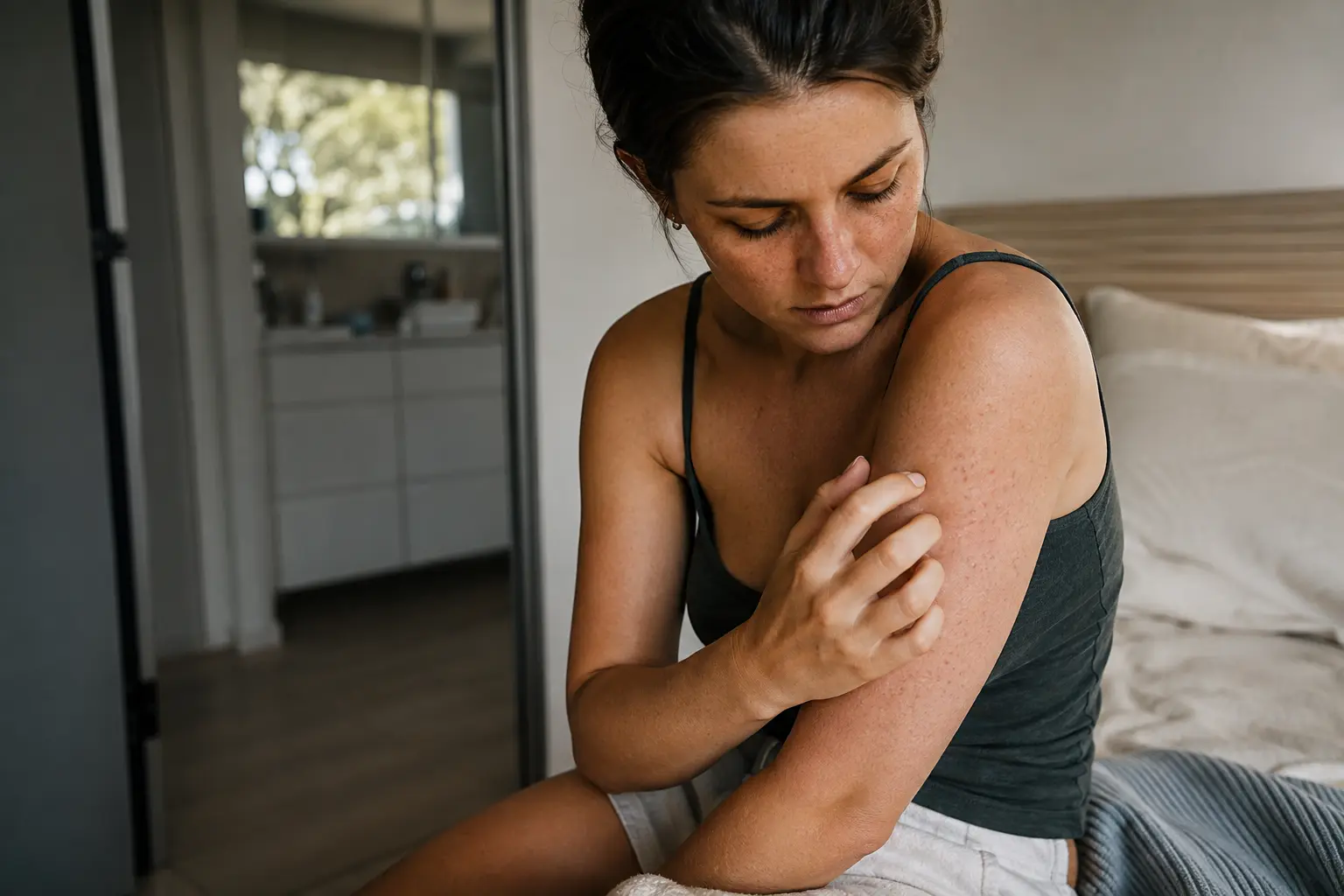
Those annoying little bumps on your arms and thighs won’t go away no matter how much lotion you slather on, and you’re tired of feeling self-conscious about your skin at 60, 70, or beyond, so here’s your complete keratosis pilaris routine designed specifically for how your skin actually works now.
Understanding keratosis pilaris
Keratosis pilaris, commonly called chicken skin, is a harmless but frustrating condition where small, rough bumps form on your skin. These bumps develop when keratin, a protein your body naturally produces, builds up around hair follicles instead of shedding normally. You’ll typically notice them on your upper arms, thighs, buttocks, or cheeks. For seniors, this condition becomes more noticeable because skin loses elasticity and moisture retention decreases with age. Imagine your hair follicles getting clogged with dead skin cells year after year. The bumps aren’t dangerous or contagious, but they can make your skin feel rough and look uneven. Understanding that this is a common, manageable condition rather than a sign of poor health is your first step toward feeling better about your skin.
- Regular exfoliation helps to remove dead skin cells and unclog hair follicles.
- Moisturizing daily can improve the appearance of the skin and reduce dryness.
- Using gentle cleansers and avoiding harsh chemicals can prevent further irritation.
Effective skincare routine
Building a consistent skincare routine is your best defense against keratosis pilaris, and the key word here is consistency. Start by gently exfoliating two to three times per week during your shower using a soft loofah, exfoliating gloves, or a body wash containing salicylic acid or glycolic acid. Don’t scrub aggressively, as seniors’ skin is more delicate and can become irritated easily. After exfoliating, pat your skin dry and immediately apply a rich moisturizer while your skin is still slightly damp to lock in hydration. Look for products containing urea, lactic acid, or ammonium lactate, which actively help soften keratin buildup. A practical example: if you shower in the morning, exfoliate gently, then apply moisturizer within two minutes. At night, apply a heavier cream before bed. This twice-daily approach gives your skin consistent support without overwhelming it.
📘 Fix your day in under 2 minuteschoose where to begin:
Diet and hydration tips
What you eat and drink directly affects your skin’s ability to heal and maintain its barrier function. Omega-3 fatty acids found in salmon, sardines, flaxseeds, and walnuts reduce inflammation throughout your body, including in your skin. Vitamin A from sweet potatoes, carrots, and leafy greens supports skin cell turnover, which helps prevent keratin from accumulating. Drinking eight to ten glasses of water daily keeps your skin hydrated from the inside out, making it more resilient and less prone to dryness that worsens keratosis pilaris. Consider this scenario: a 68-year-old woman adds a small handful of walnuts to her breakfast and drinks water consistently throughout the day. Within four weeks, her skin feels softer and the bumps appear less pronounced. She also reduced her intake of processed foods high in inflammatory oils. These dietary shifts work alongside your skincare routine to address the root causes of the condition.
Sun protection
Sun damage accelerates skin aging and can worsen keratosis pilaris by making your skin drier and more prone to irritation. When you go outdoors, apply a broad-spectrum sunscreen with SPF 30 or higher at least 15 minutes before exposure, and reapply every two hours if you’re spending extended time outside. Wearing protective clothing is equally important for seniors: long-sleeved shirts, wide-brimmed hats, and UV-blocking sunglasses shield your skin while allowing you to stay active. Think about your daily routine: if you garden, walk, or spend time on a patio, these are your vulnerable exposure times. A practical habit is to apply sunscreen right after your morning moisturizer as part of your routine, making it automatic rather than an extra step. This consistent protection prevents the sun from deepening existing bumps and creating new skin damage that compounds the condition.
Consulting a dermatologist
If you’ve followed a consistent skincare routine for six to eight weeks and see no improvement, or if your keratosis pilaris causes itching, redness, or discomfort, it’s time to see a dermatologist. They can prescribe stronger treatments like retinoids, which accelerate skin cell turnover, or recommend professional options like laser therapy or chemical peels specifically designed for your skin type. Many seniors hesitate to seek professional help, thinking the condition is just something to accept. That’s not true. A dermatologist can also rule out other skin conditions that might look similar but require different treatment. They’ll consider your age, skin sensitivity, and any medications you’re taking to recommend the safest, most effective approach. Don’t wait until the condition affects your quality of life or confidence. Professional guidance often provides faster, more dramatic results than home care alone.
Effective management of keratosis pilaris involves regular exfoliation, moisturizing, a healthy diet, sun protection, and seeking dermatological advice when needed.
Can keratosis pilaris be cured?
While there is no cure for keratosis pilaris, following a consistent skincare routine and adopting healthy habits can help manage the condition effectively.
Is keratosis pilaris painful?
Keratosis pilaris is typically not painful but may cause itchiness or irritation in some individuals. Consult with a dermatologist if you experience any discomfort.
Others also read:
Disclaimer: This article is for informational purposes only and is not a substitute for professional medical advice. Always consult a healthcare professional for personal guidance.
This guide has been prepared and reviewed by the GlobalHealthBeacon editorial team and reflects current medical research as of 2026. It provides structured, evidence-based information to support informed health decisions.
