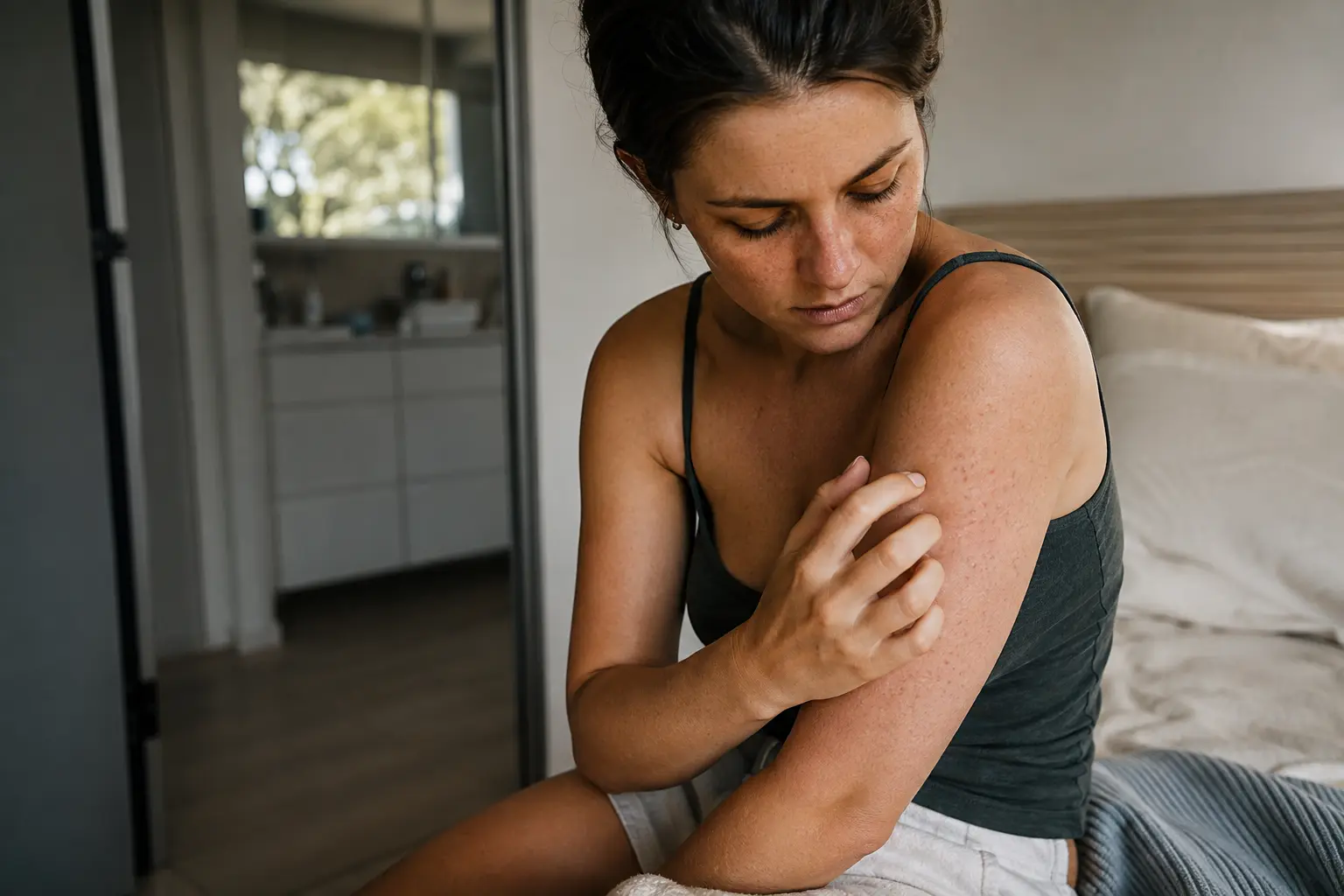
Those tiny red bumps on your arms and thighs won’t quit, and your keratosis pilaris routine has been all over the place because nobody tells you what actually works.
Understanding keratosis pilaris
Keratosis pilaris, often called chicken skin, shows up as small, rough bumps typically on your arms, thighs, buttocks, or even your face. The culprit is keratin, a protein your skin naturally produces, which builds up around hair follicles and creates a plug that blocks the follicle opening. Think of it like a tiny traffic jam happening under your skin. This condition affects roughly 40 percent of the population, so you are definitely not alone in dealing with it. The bumps themselves are harmless, but they can feel rough to the touch and look red or skin-colored depending on your complexion. Many young adults notice it gets worse in winter when humidity drops, or after wearing tight clothing that irritates the skin. Understanding that this is a buildup issue, not an infection or serious condition, helps you approach treatment with the right mindset and realistic expectations.
- Exfoliate gently to remove dead skin cells and unclog pores
- Use moisturizers with ingredients like urea or lactic acid to soften the bumps
- Avoid harsh scrubbing that can worsen inflammation
Developing a skincare routine
Building a consistent keratosis pilaris routine is where real progress happens. Start your morning with a gentle, sulfate-free cleanser that removes overnight oil buildup without stripping your skin dry. Follow with a lightweight moisturizer, then apply your active treatment product. At night, cleanse again, then use a richer moisturizer or treatment cream with exfoliating ingredients. The key is consistency, not perfection. Many young adults make the mistake of switching products every two weeks, which prevents you from seeing actual results. Give each routine at least four to six weeks before deciding if it works. Your skin needs time to adjust and show improvement. Consider keeping a simple log of what you use and how your skin responds. This helps you identify patterns, like whether bumps worsen after certain activities or products. Mornings might focus on hydration and sun protection, while evenings are your chance to use stronger exfoliating treatments when your skin is less exposed to environmental stressors.
📘 Fix your day in under 2 minuteschoose where to begin:
Choosing the right products
Product selection makes or breaks your keratosis pilaris routine. Look for creams or lotions containing salicylic acid, glycolic acid, or lactic acid, which chemically exfoliate and unclog pores over time. Urea-based products are also highly effective for softening rough skin. Start with lower concentrations, around 5 to 10 percent, especially if you have sensitive skin. A practical example: if you use a 10 percent glycolic acid lotion twice daily for two weeks and notice irritation, dial back to once daily or every other day. Your skin will adapt better to gradual introduction. Avoid products with heavy silicones or thick oils that can trap keratin and worsen bumps. Read ingredient lists carefully. Some products marketed for keratosis pilaris contain minimal active ingredients and rely mainly on marketing. Check reviews from people with similar skin types. Budget matters too, so know that effective treatments don’t always cost the most. Many affordable drugstore options work just as well as premium brands if they contain the right active ingredients.
Incorporating lifestyle changes
Your keratosis pilaris routine extends beyond skincare products into daily habits. Hydration is foundational, so aim for at least eight glasses of water daily, more if you exercise regularly. Your skin reflects your internal health, and dehydration makes bumps more pronounced and texture rougher. Nutrition plays a role too, particularly foods rich in omega-3 fatty acids like salmon, walnuts, and flaxseed, which support skin barrier function. Wear loose-fitting clothing when possible, especially around affected areas, since friction and tight fabrics irritate skin and trigger flare-ups. Sun exposure worsens keratosis pilaris, so use a daily SPF 30 or higher even on cloudy days. Regular exercise improves blood circulation and skin health from within, but shower immediately afterward to prevent sweat buildup. During winter months when humidity drops, use a humidifier in your bedroom at night to add moisture to the air. These lifestyle adjustments work synergistically with your skincare routine to accelerate results.
Consulting a dermatologist
If your keratosis pilaris routine with over-the-counter products shows minimal improvement after eight to twelve weeks, or if bumps become inflamed or painful, schedule a dermatologist appointment. A dermatologist can confirm the diagnosis and rule out similar conditions like folliculitis or lichen keratosis. They may recommend prescription-strength treatments like topical retinoids, which accelerate skin cell turnover, or in stubborn cases, laser therapy or microdermabrasion. Some dermatologists prescribe compounded formulations with higher concentrations of active ingredients tailored to your specific skin type. Don’t wait until frustration peaks to seek professional help. Early intervention often leads to faster results. During your appointment, mention your current routine, any products that caused irritation, and your skin’s response timeline. This information helps your dermatologist recommend the most effective next steps rather than starting from scratch.
Managing keratosis pilaris as a young adult requires a multi-layered approach combining the right skincare routine, targeted products with proven active ingredients, lifestyle adjustments, and professional guidance when needed. Start with consistent exfoliation and hydration, give your routine at least four to six weeks to show results, and don’t hesitate to consult a dermatologist if progress stalls. Results are achievable with patience and the right strategy.
Can keratosis pilaris be cured?
Keratosis pilaris cannot be permanently cured because it is a genetic predisposition to keratin buildup. However, it can be effectively managed and significantly improved with consistent skincare routines, targeted products containing exfoliating acids, lifestyle changes, and professional treatments. Most people see substantial improvement in texture and appearance within weeks to months of dedicated care.
Are there any home remedies for keratosis pilaris?
Effective home remedies include regular gentle exfoliation with a soft washcloth or exfoliating glove, moisturizing with creams containing urea or lactic acid, staying well hydrated, maintaining a balanced diet rich in omega-3 fatty acids, wearing loose clothing to reduce friction, and using a humidifier during dry months. While these help manage symptoms, over-the-counter products with active ingredients typically produce faster and more noticeable results than remedies alone.
Others also read:
Disclaimer: This article is for informational purposes only and is not a substitute for professional medical advice. Always consult a healthcare professional for personal guidance.
This guide has been prepared and reviewed by the GlobalHealthBeacon editorial team and reflects current medical research as of 2026. It provides structured, evidence-based information to support informed health decisions.
