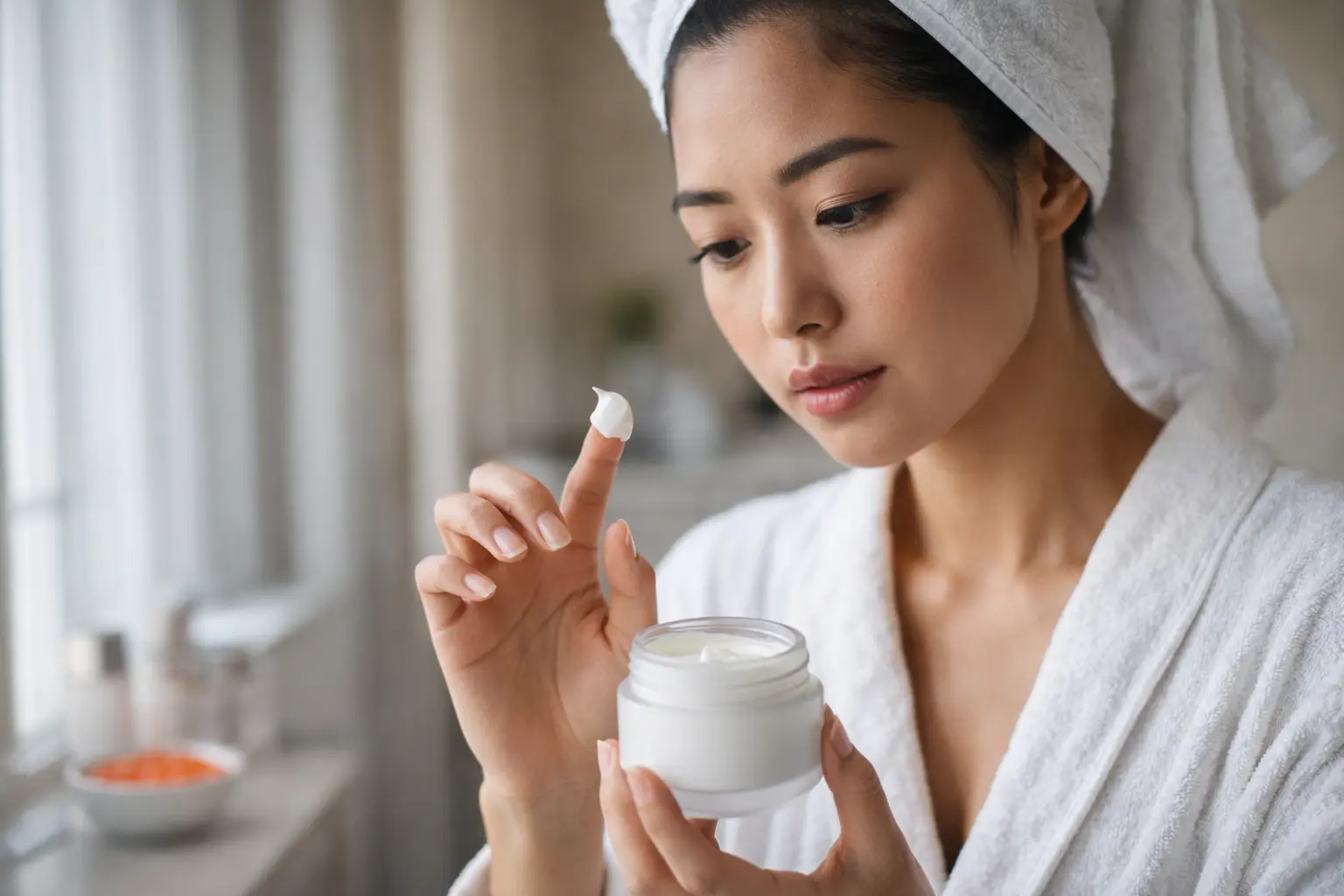
Your skin feels tight after cleansing, your serums sit on top instead of sinking in, and you have no idea if you’re doing this right, so let’s break down korean skincare explained and get you glowing without the overwhelm.
Understanding the 10-step Korean skincare routine
The famous Korean skincare routine involves 10 steps, and while that sounds like a lot, each one targets a specific skin concern. Start with double cleansing to remove makeup and daily grime, then exfoliate to slough away dead skin cells. Next comes toning to balance your skin’s pH, followed by essence to prep your skin for deeper penetration. Apply targeted treatments like serums infused with hyaluronic acid or vitamin C to address your specific concerns, then use sheet masks for an intensive hydration boost. Eye cream comes next because the delicate under-eye area needs gentler care. Follow with a lightweight moisturizer to lock everything in, then sunscreen during the day or a sleeping mask at night. Many women find that starting with just 5-6 steps and gradually adding more works better than jumping into all 10 at once. Think of it like building a house: you need a solid foundation before adding the decorative touches.
- Double cleansing is a vital initial step to remove makeup and impurities effectively.
- Serums infused with active ingredients like hyaluronic acid or vitamin C are potent treatments for various skin concerns.
- Sheet masks lock in moisture and deliver concentrated nutrients for a hydrating boost.
Choosing the right products for your skin type
Identifying your skin type is the foundation of any skincare routine. If your skin feels tight and flaky, you likely have dry skin and need rich, nourishing formulas. Oily skin tends to feel greasy by midday and may be prone to breakouts, so look for lightweight, non-comedogenic products. Combination skin is tricky because you might be oily in your T-zone but dry on your cheeks. Sensitive skin reacts easily to fragrances and strong actives, so gentler ingredients are essential. Korean skincare excels at catering to all these types. Snail mucin is beloved for its hydrating and healing properties, making it perfect for dry or sensitive skin. Green tea extract offers antioxidant protection and is calming for reactive skin. Niacinamide balances oil production and strengthens your skin barrier, making it ideal for oily or combination types. A woman with combination skin might use a snail mucin essence on dry areas and a lightweight niacinamide serum on her T-zone, customizing her routine to her actual needs rather than forcing one approach everywhere.
📘 Fix your day in under 2 minuteschoose where to begin:
Mastering the art of layering skincare products
Product layering is where most women go wrong, applying heavier creams before lighter serums and wondering why nothing absorbs. The rule is simple: lightest to heaviest consistency. Start with your cleansing routine, then apply toner while your skin is still slightly damp to enhance absorption. Next comes essence, which is thinner than a serum. Layer serums and treatments next, waiting 30-60 seconds between each so they can absorb properly. Then apply eye cream, being careful not to tug the delicate skin. Follow with your moisturizer, which should be heavier than your serums but lighter than an oil. During the day, finish with sunscreen. At night, you can end with a sleeping mask or facial oil if your skin needs extra nourishment. A common mistake is applying everything at once like you’re frosting a cake. Instead, press each product gently into your skin and let it settle before moving to the next. If you’re using a vitamin C serum, hyaluronic acid essence, and a peptide moisturizer, spacing them out by just a minute each makes a noticeable difference in how your skin looks and feels by morning.
Key ingredients in Korean skincare
Korean skincare is renowned for innovative, research-backed ingredients that go beyond what Western brands typically offer. Ginseng has been used in Korean beauty for centuries and works to brighten skin while improving circulation and elasticity. Propolis, harvested from beehives, is rich in antioxidants and amino acids that repair and protect your skin barrier. Fermented extracts like rice ferment or yeast ferment increase bioavailability, meaning your skin actually absorbs and uses these ingredients more effectively than non-fermented versions. Centella asiatica, also called cica, soothes inflammation and strengthens your skin’s protective barrier, making it especially helpful if you have rosacea or eczema-prone skin. Adenosine plumps fine lines and improves skin texture over time. Many Korean brands also use peptides, which signal your skin to produce more collagen and elastin. A woman dealing with post-inflammatory hyperpigmentation might choose products with niacinamide and licorice root, both of which are common in Korean formulations and work to even out skin tone without harsh bleaching agents. The beauty of Korean skincare is that these ingredients are often combined thoughtfully in single products, so you’re not buying 10 separate bottles to address one concern.
Achieving glass skin: the ultimate Korean skincare goal
Glass skin is that coveted dewy, luminous complexion with an almost poreless finish that looks airbrushed but is actually achievable with consistency. It’s characterized by a smooth texture, even tone, and that wet-looking glow that catches light beautifully. Achieving it requires a multi-pronged approach. Regular exfoliation, whether chemical or physical, removes the dull surface layer that makes skin look tired. Hydration is non-negotiable because plump, hydrated skin naturally looks smoother and more radiant. Serums packed with humectants like hyaluronic acid and glycerin draw moisture into your skin. Consistent use of brightening ingredients like vitamin C or niacinamide evens out your complexion over weeks and months. Sun protection is crucial because UV damage causes the uneven tone and texture that prevents glass skin. A woman who commits to this routine for 8-12 weeks typically notices her skin looks clearer, her pores appear smaller, and her complexion has that coveted glow. The key is patience and consistency. Glass skin doesn’t happen overnight, but when you layer hydrating essences, use targeted serums, and protect your skin daily, the transformation becomes undeniable.
The Korean skincare routine involves 10 steps, key ingredients like snail mucin and ginseng, and a focus on achieving a glass skin effect. By understanding your skin type, layering products effectively, and selecting the right skincare essentials, you can unlock the secret to flawless Korean beauty.
Can Korean skincare be used by all skin types?
Yes, Korean skincare is designed to cater to various skin types, including dry, oily, combination, and sensitive skin. By identifying your skin type and selecting appropriate products, you can customize your routine for optimal results.
How long does it take to see results with Korean skincare?
Results with Korean skincare vary depending on individual skin concerns and consistency in following the routine. While some may notice improvements in skin texture and tone within a few weeks, others may require more time for the products to show their full benefits.
Others also read:
Disclaimer: This article is for informational purposes only and is not a substitute for professional medical advice. Always consult a healthcare professional for personal guidance.
This guide has been prepared and reviewed by the GlobalHealthBeacon editorial team and reflects current medical research as of 2026. It provides structured, evidence-based information to support informed health decisions.
