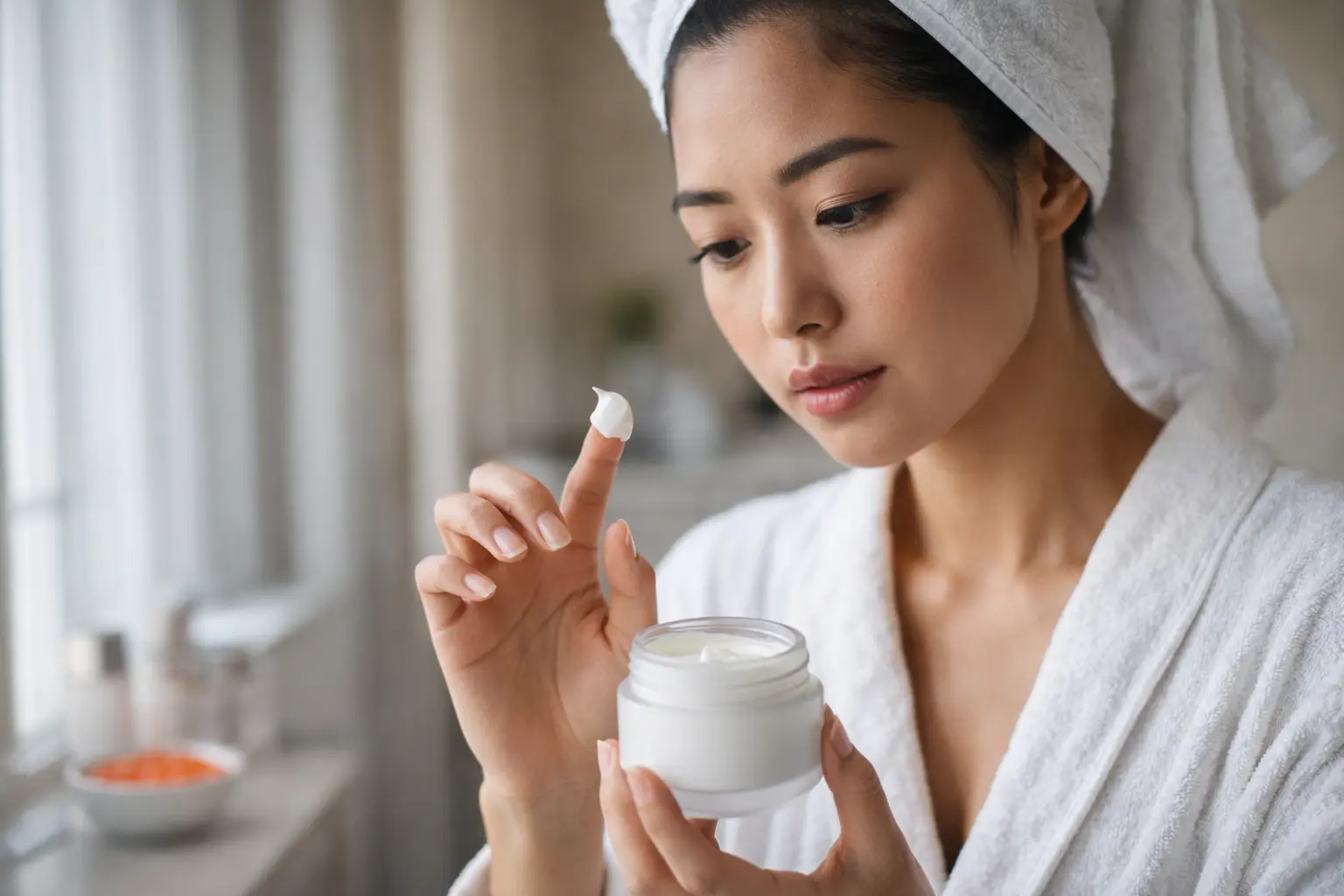
Your skin feels tight, itchy, and reactive to everything you touch, and you’re starting to wonder if this is just what getting older means, but here’s the truth: korean skincare explained shows us that a weakened skin barrier is the real culprit, and it’s absolutely fixable.
The science behind skin barrier
Think of your skin barrier as a brick wall protecting your home. The stratum corneum, your skin’s outermost layer, functions exactly like that. The bricks are your skin cells, while the mortar holding everything together consists of lipids, cholesterol, and fatty acids. This intricate structure creates a protective seal that keeps moisture locked in and harmful substances locked out. As you age, this wall naturally weakens. The mortar deteriorates, bricks shift, and gaps form. Environmental stressors like pollution, harsh weather, and even some skincare products can accelerate this breakdown. Understanding this biological reality helps explain why your skin might feel more sensitive or dry than it did twenty years ago. It’s not weakness on your part; it’s simply how aging skin changes at the cellular level.
Importance of skin barrier integrity
A compromised barrier is like leaving your front door open during winter. Water escapes from deeper skin layers through those gaps, leaving your complexion parched and uncomfortable. This moisture loss triggers a cascade of problems: redness, sensitivity to products you’ve used for years, increased susceptibility to infections, and accelerated visible aging. Many seniors notice their skin becomes reactive seemingly overnight, developing irritation from cleansers that never bothered them before. That’s your barrier talking. When the protective seal fails, your skin can’t regulate its own hydration effectively, and inflammation increases. This inflammation accelerates collagen breakdown, leading to more pronounced wrinkles and sagging. Beyond appearance, a weakened barrier also compromises your skin’s ability to fight off bacteria and environmental pathogens. Maintaining barrier integrity isn’t vanity; it’s essential maintenance for skin health and resilience.
Steps to strengthen skin barrier
Rebuilding your barrier requires consistency and patience, much like repairing that brick wall. Start with your cleanser, which is often the first place barrier damage begins. Many people use hot water and harsh soaps that strip away protective lipids. Instead, use lukewarm water and a gentle, soap-free cleanser that removes dirt without stripping natural oils. Pat your skin dry gently rather than rubbing. Next, apply a hydrating moisturizer while your skin is still slightly damp, trapping water into deeper layers. Look for products containing ceramides, which are the actual lipids your barrier needs to rebuild itself. Hyaluronic acid draws moisture into the skin, while niacinamide reduces inflammation and strengthens the barrier’s natural functions. Finally, apply broad-spectrum sunscreen daily, even on cloudy days, because UV damage accelerates barrier breakdown. This simple three-step routine, done consistently morning and night, provides the foundation for barrier repair. Many seniors see noticeable improvement within two to three weeks of this approach.
- Choose mild, soap-free cleansers and use lukewarm water to avoid stripping natural protective oils.
- Opt for moisturizers rich in ceramides, fatty acids, and niacinamide to rebuild the barrier structure.
- Select broad-spectrum sunscreens with at least SPF 30 and apply daily to prevent UV-induced barrier damage.
🔬 Science-backed benefits in 2 minuteschoose where to begin:
Protective skincare ingredients
Not all skincare ingredients are created equal when it comes to barrier repair. Ceramides are your most important ally because they’re literally what your barrier is made of. When you apply ceramides topically, you’re providing raw materials your skin can use to rebuild its protective wall. Fatty acids like linoleic acid and linolenic acid work alongside ceramides to restore the lipid matrix. Niacinamide, also called vitamin B3, reduces inflammation while strengthening the skin’s natural barrier function and improving moisture retention. Hyaluronic acid acts like a sponge, holding water in the skin and plumping the complexion. Antioxidants like vitamin E and green tea extract protect against environmental damage that would otherwise compromise your barrier further. When shopping for products, look for these ingredients listed near the beginning of the ingredient list, indicating higher concentrations. A simple moisturizer containing ceramides and hyaluronic acid often outperforms expensive multi-step routines lacking these fundamentals.
Avoid harsh skincare practices
Your barrier is fragile during repair, so certain habits can undo your progress. Hot water feels luxurious but opens pores and strips lipids, leaving your barrier more vulnerable. Physical exfoliants like scrubs and brushes create micro-tears that compromise barrier integrity, especially when your skin is already sensitive. Chemical exfoliants with high concentrations of acids can be equally damaging if overused. Many seniors make the mistake of using multiple active ingredients simultaneously, thinking more is better. Combining retinol, vitamin C, acids, and other potent ingredients overwhelms a weakened barrier and triggers irritation. Fragrance and essential oils, while pleasant, are common irritants that inflame sensitive skin. Even some popular anti-aging treatments can be too aggressive during barrier repair. The golden rule: simplify your routine during this phase. Use only gentle cleansing, hydrating moisturizers, and sunscreen until your skin stabilizes. Once your barrier is strong again, you can gradually reintroduce other treatments.
Consult a dermatologist if needed
If you’ve followed a gentle routine for four to six weeks and still experience persistent dryness, redness, or sensitivity, professional guidance becomes valuable. A dermatologist can assess whether your symptoms stem from barrier damage or an underlying condition like eczema, rosacea, or contact dermatitis. They can perform simple tests to evaluate your skin’s moisture levels and barrier function. Some seniors discover their sensitivity isn’t from aging but from an undiagnosed skin condition that requires specific treatment. A dermatologist can also recommend prescription-strength barrier repair products if over-the-counter options aren’t sufficient. They understand the unique challenges of aging skin and can create a personalized plan accounting for your specific concerns, other medications you take, and any existing skin conditions. Don’t hesitate to seek professional help if you’re uncertain about your skin’s needs. Dermatologists exist precisely to answer these questions and guide you toward solutions that actually work for your individual situation.
Your skin barrier is the foundation of healthy, resilient skin at any age. Understanding how it works and why it weakens helps you make informed choices about your skincare routine. By adopting gentle cleansing practices, incorporating barrier-supporting ingredients like ceramides and hyaluronic acid, and protecting your skin from environmental damage with daily sunscreen, you can rebuild and maintain a strong barrier. Avoiding harsh treatments and simplifying your routine during the repair phase accelerates results. If persistent issues arise despite consistent care, consulting a dermatologist ensures you receive appropriate guidance tailored to your skin’s unique needs. Barrier health isn’t complicated, but it does require patience and consistency. The investment pays dividends in comfort, appearance, and overall skin resilience.
How can I identify a compromised skin barrier?
Signs of a compromised skin barrier include persistent dryness that moisturizer doesn’t fully relieve, redness or flushing, increased sensitivity to products you’ve used before, a tight or uncomfortable feeling, visible flakiness or rough texture, and heightened reactivity to environmental factors like wind or temperature changes. Some people describe a burning sensation when applying products. If you notice these symptoms, your barrier is likely damaged and needs focused repair attention.
Is it necessary to use multiple skincare products to protect the skin barrier?
Simplicity is actually your best strategy for barrier repair. A basic routine of gentle cleanser, hydrating moisturizer with ceramides, and sunscreen is often more effective than elaborate multi-step regimens. Many seniors overcomplicate their routines, using too many products that can irritate a weakened barrier. Start with these essentials and let your skin stabilize for several weeks. Once your barrier is strong, you can gradually introduce other products if desired, but many people find they don’t need anything beyond these fundamentals for healthy, comfortable skin.
Others also read:
Disclaimer: This article is for informational purposes only and is not a substitute for professional medical advice. Always consult a healthcare professional for personal guidance.
This article has been prepared and reviewed by the GlobalHealthBeacon editorial team and is based on current medical research and published scientific literature available in 2026. It provides structured, evidence-based information to support informed health decisions.
