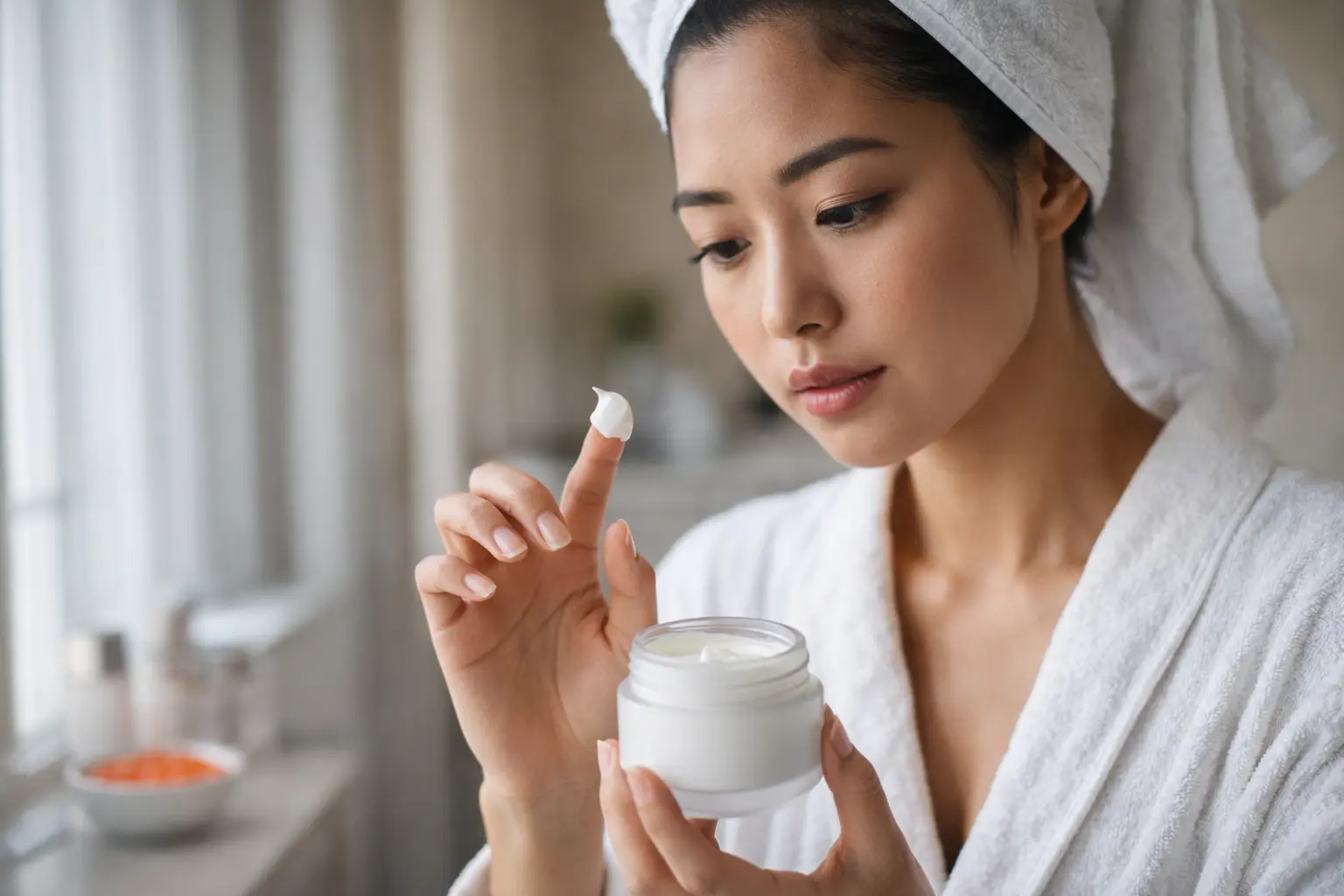
Your skin feels tight, dull, and no matter what you throw at it, nothing seems to stick – but korean skincare explained reveals why those 10-step routines aren’t just hype, they’re backed by actual biology that transforms how your skin behaves.
The science behind Korean skincare products
Korean skincare has earned its reputation not through marketing alone, but through decades of research into how skin actually functions. The innovation lies in understanding that skin is a living, dynamic barrier that responds to specific molecular triggers. Snail mucin, for instance, contains glycoproteins and hyaluronic acid that penetrate the skin’s stratum corneum, the outermost layer, to deliver hydration at a cellular level. Green tea extract works as both an antioxidant and anti-inflammatory agent, helping to calm irritated skin while protecting against free radical damage from environmental stressors like pollution and UV exposure. Hyaluronic acid is particularly fascinating because a single molecule can hold up to 1000 times its weight in water, creating a moisture reservoir that plumps fine lines and improves skin texture. What makes Korean formulations different is the layering philosophy – rather than one heavy cream doing everything, lightweight serums and essences work synergistically to deliver multiple benefits without overwhelming the skin barrier.
Understanding the importance of double cleansing
Double cleansing might sound excessive, but it addresses a real biological problem: your skin encounters two types of impurities daily. Oil-based cleansers dissolve lipophilic substances like sebum, makeup, and environmental oils that water alone cannot remove. When you follow this with a water-based cleanser, you’re washing away the oil cleanser residue along with water-soluble impurities like sweat, salt, and pollution particles. Consider a woman who wears sunscreen and makeup daily – a single water-based wash leaves a film of product on her skin that accumulates over time, eventually clogging pores and trapping bacteria. By contrast, the double cleanse removes this buildup completely, leaving the skin’s natural lipid barrier intact rather than stripped. This matters because over-stripped skin triggers increased sebum production as the skin attempts to compensate, creating a cycle of oiliness and breakouts. The double cleanse breaks this cycle by respecting the skin’s natural chemistry while achieving genuine cleanliness.
The power of hydration in Korean skincare
Hydration in Korean skincare operates on a principle called the hydration ladder, where each product layer serves a specific purpose in moving moisture deeper into the epidermis. A toner preps the skin by slightly lowering its pH after cleansing, which opens the skin’s pores microscopically and allows subsequent products to penetrate more effectively. An essence, often overlooked in Western routines, is essentially a lightweight serum packed with active ingredients and humectants that draw moisture into the skin. A serum then targets specific concerns like hyperpigmentation or fine lines with concentrated actives like niacinamide or peptides. For a woman in her 50s experiencing dryness and loss of elasticity, this layering approach delivers hydration to multiple skin depths simultaneously. The skin barrier, which is composed of lipids and proteins arranged in a brick-and-mortar pattern, requires both water and lipids to function properly. When hydration is insufficient, this barrier becomes compromised, leading to transepidermal water loss where moisture literally evaporates from the skin. The multi-step hydration approach prevents this loss while supporting the skin’s natural repair processes that occur primarily at night.
- Apply a hydrating toner to prep your skin for better absorption of subsequent products.
- Use an essence to provide a concentrated boost of hydration and nourishing nutrients.
- Follow up with a serum to target specific skin concerns like pigmentation, wrinkles, or sensitivity.
🔬 Science-backed benefits in 2 minuteschoose where to begin:
The benefits of sheet masks and exfoliation
Sheet masks function as occlusive treatments that create a sealed environment on the skin’s surface, preventing water loss while allowing active ingredients to penetrate deeply over 15 to 20 minutes. The fabric itself acts as a delivery vehicle, holding serums and essences in direct contact with the skin longer than a typical application would allow. For women dealing with dehydrated or compromised skin barriers, sheet masks provide intensive hydration without the commitment of a full routine. Exfoliation, when done correctly with gentle chemical exfoliants like glycolic acid or fruit enzymes, removes the buildup of dead skin cells that naturally accumulate on the skin’s surface. This buildup can dull complexion and prevent other products from absorbing properly. However, physical scrubbing can create micro-tears in the skin barrier, leading to irritation and sensitivity. Chemical exfoliants work by dissolving the bonds between dead skin cells, allowing them to shed naturally without mechanical damage. A woman using exfoliants twice weekly rather than daily will see improved skin texture and brightness while maintaining barrier integrity, whereas over-exfoliation leads to redness, sensitivity, and compromised skin health.
Sun protection and anti-aging in Korean skincare
Sunscreen represents the single most important anti-aging product available, yet many women still view it as optional or seasonal. UV radiation damages collagen and elastin fibers through a process called photoaging, which accounts for approximately 80 percent of visible skin aging. Korean sunscreens are formulated with both UVA and UVB filters, often using mineral ingredients like zinc oxide alongside chemical absorbers, creating broad-spectrum protection without the heavy feel of traditional Western sunscreens. Beyond sun protection, anti-aging products containing peptides signal the skin to increase collagen production, while antioxidants like vitamin C and resveratrol neutralize free radicals generated by UV exposure and environmental stress. A woman in her 40s who has neglected sun protection for decades can still benefit from starting a comprehensive anti-aging regimen, as the skin retains remarkable capacity for repair and regeneration. The combination of consistent sun protection with peptide-rich serums and antioxidant treatments helps maintain skin elasticity and firmness while preventing further damage. This approach addresses aging at multiple biological levels rather than relying on any single product.
The future of Korean skincare research
Korean skincare research is moving toward personalized solutions that account for individual genetic variations in skin barrier function, sebum production, and sensitivity thresholds. Scientists are exploring bioactive compounds from traditional Korean ingredients like ginseng and snail secretion filtrate at the molecular level, understanding exactly which components drive results. Advanced formulation technologies like encapsulation allow unstable ingredients such as vitamin C to remain effective longer, and fermentation processes create probiotics and peptides that support skin microbiome health. The future likely includes AI-driven skin analysis tools that assess individual skin conditions and recommend customized product combinations rather than one-size-fits-all routines. Research into the skin microbiome is revealing that certain bacterial strains influence inflammation and barrier function, suggesting that future products will actively cultivate beneficial bacteria rather than sterilizing the skin. For women seeking skincare solutions, this evolution means increasingly sophisticated options tailored to their unique biology rather than generic formulas.
Scientific research demonstrates the efficacy of key ingredients like snail mucin and hyaluronic acid, validates the double cleansing method for barrier health, explains hydration layering techniques, clarifies how sheet masks and gentle exfoliation improve skin texture, establishes sun protection as essential anti-aging strategy, and reveals emerging personalized approaches in Korean skincare innovation.
Are Korean skincare products suitable for all skin types?
Korean skincare products cater to various skin types, offering options for sensitive, oily, dry, and combination skin. The formulation philosophy emphasizes lightweight, layerable products that can be customized to individual needs. A woman with oily skin might skip heavier creams and focus on hydrating toners and lightweight serums, while someone with dry skin can add richer essences and sheet masks. It’s essential to choose products based on individual skin concerns and preferences rather than assuming all Korean products work universally.
Can Korean skincare routines be personalized?
Korean skincare routines can be extensively customized to address specific skin issues by selecting products according to personal skin type, concerns, and goals. The beauty of the Korean approach is its modular nature – you can add or remove steps based on what your skin actually needs rather than following a rigid formula. Experimenting with different products helps identify which ingredients your skin responds to positively and which cause irritation. A woman might start with a basic routine of cleanser, toner, and moisturizer, then gradually introduce targeted serums for specific concerns like hyperpigmentation or fine lines.
Others also read:
Disclaimer: This article is for informational purposes only and is not a substitute for professional medical advice. Always consult a healthcare professional for personal guidance.
This article has been prepared and reviewed by the GlobalHealthBeacon editorial team and is based on current medical research and published scientific literature available in 2026. It provides structured, evidence-based information to support informed health decisions.
