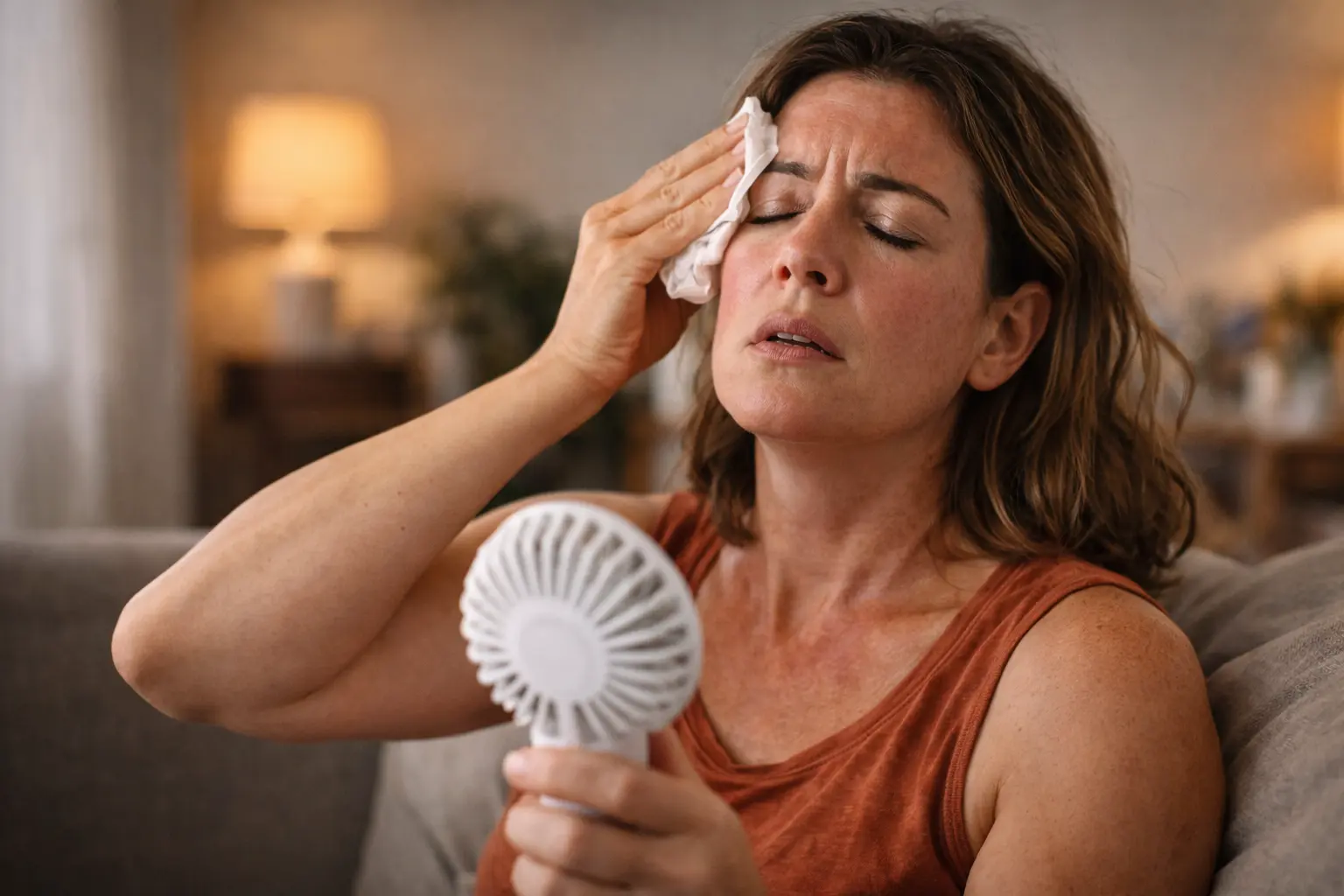
You’re sitting in a meeting, suddenly drenched in sweat while everyone else shivers in the air conditioning, and menopause hot flashes have hijacked your life without warning.
Hormonal options
When I first heard about hormone replacement therapy, I was desperate for relief. The hot flashes were hitting me five, sometimes ten times a day, leaving me exhausted and self-conscious. HRT works by replenishing the estrogen and progesterone your body stops producing, essentially telling your internal thermostat to calm down. Many women I know swear by it. Sarah, a 52-year-old teacher, told me she felt like herself again within three weeks of starting HRT. The intensity of her flashes dropped dramatically, and she could finally get through a full workday without changing clothes. But here’s what matters: HRT isn’t a one-size-fits-all solution. Your doctor needs to monitor you regularly, adjusting dosages as your body responds. Some women experience breakthrough symptoms or need to switch formulations. The key is finding what your body tolerates best, which sometimes takes trial and adjustment.
- HRT can help reduce the frequency and intensity of hot flashes.
- Consult a healthcare provider to discuss the benefits and risks of hormonal treatments.
- Regular monitoring and adjustments may be necessary to optimize the effectiveness of hormonal therapies.
Non-hormonal alternatives
Not every woman wants or can take hormones, and that’s completely valid. I explored non-hormonal paths myself before deciding what felt right. Lifestyle shifts like staying cool, managing stress through yoga or meditation, and adjusting your diet can genuinely help. My neighbor Jennifer swears by her evening walks and cutting back on caffeine and spicy foods. She noticed her hot flashes reduced by about 40 percent just from these changes. Then there are herbal options like black cohosh and red clover, which some women find calming. Acupuncture has helped others I know feel more balanced overall. These approaches take patience, though. You won’t wake up tomorrow symptom-free, but many women report steady improvement over weeks or months. The beauty here is you’re working with your body’s natural rhythms rather than against them.
💬 Ready to feel better in 2 minutes?choose where to begin:
Self-positioning
This is where you get real with yourself about what matters most. Are you someone who values quick relief and is comfortable with medical intervention? Or do you prefer a gentler, more gradual approach that feels natural to you? Your age, health history, and lifestyle all play a role. If you have a family history of breast cancer or blood clots, that changes the conversation around hormones entirely. If you’re someone who loves herbal remedies and already practices meditation, non-hormonal options might align better with who you are. Think about your work situation too. If you can’t afford downtime experimenting with lifestyle changes, hormonal treatment might make more sense. There’s no shame in either choice. What matters is understanding yourself well enough to pick an option you’ll actually stick with.
Doubt and evaluation
Standing at this crossroads feels heavy, I know. Hormonal therapy offers speed and often impressive results, but comes with monitoring requirements and potential side effects to weigh carefully. Non-hormonal paths feel gentler and align with natural living, yet demand more patience and active participation from you. Before you decide, write down your biggest concerns. Is it symptom severity? Side effect risk? Cost? Time commitment? Then research honestly. Talk to women who’ve chosen each path and ask about their real experience, not just the highlight reel. Schedule a conversation with your healthcare provider where you bring your questions and listen to their clinical perspective. Don’t let anyone pressure you. This is your body and your life.
Exploring hormonal and non-hormonal solutions for menopause hot flashes reveals the effectiveness, risks, and individualized nature of each approach. Understanding the pros and cons of these options empowers women to make informed decisions that align with their preferences and health needs.
Are hormonal therapies the only effective treatment for menopause hot flashes?
While hormonal therapies like HRT are commonly used to manage hot flashes, non-hormonal alternatives such as lifestyle changes and natural remedies can also provide relief for some women.
What are the potential risks of hormonal treatments for menopause hot flashes?
Hormonal therapies may carry risks such as an increased risk of blood clots, stroke, and certain types of cancer. It’s important to discuss these risks with a healthcare provider before starting treatment.
Others also read:
Disclaimer: This article is for informational purposes only and is not a substitute for professional medical advice. Always consult a healthcare professional for personal guidance.
This article presents an experience-based perspective and has been reviewed by the GlobalHealthBeacon editorial team in 2026. It provides structured, evidence-based information to support informed health decisions.
