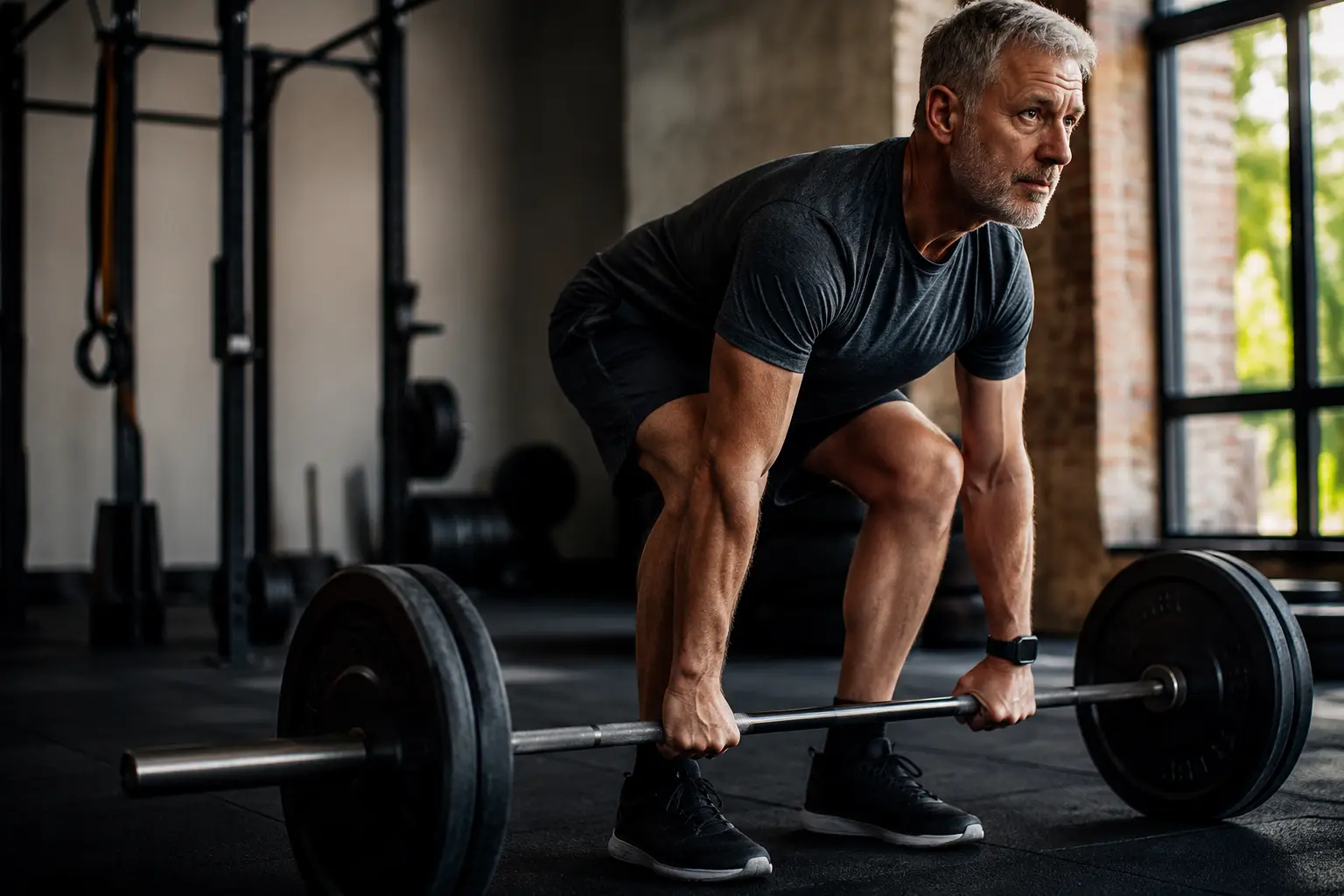
You’re climbing stairs and suddenly feel weaker than you used to, or you catch your reflection and notice your arms look different – that’s muscle mass aging prevention calling your attention, and it’s more common than you think.
Muscle loss with age
As women move through their 30s, 40s, and beyond, something shifts beneath the surface. The natural decline in muscle mass, known as sarcopenia, isn’t just about looking different in the mirror. It’s a gradual biological process where muscle fibers actually shrink and decrease in number. Picture it like this: a woman in her 20s might have dense, responsive muscle tissue throughout her body. By her 60s, that same woman could have lost up to 30 percent of her muscle mass if she hasn’t actively worked to prevent it. This loss compounds over time, affecting not just strength but also metabolism, balance, and the ability to perform everyday tasks like carrying groceries or playing with grandchildren. The mechanisms behind sarcopenia involve changes in protein synthesis, reduced physical activity levels, and alterations in how the body responds to exercise stimuli. Understanding this process helps explain why that same staircase becomes harder to climb and why prevention matters so much earlier than most women realize.
Hormonal changes
Hormones are like the body’s chemical messengers, and when they shift, muscle tissue listens. During menopause, estrogen levels drop significantly, and this isn’t just about hot flashes and mood changes. Estrogen plays a protective role in maintaining muscle mass and strength by supporting protein synthesis and reducing muscle protein breakdown. When estrogen declines, women often experience accelerated muscle loss during the menopausal transition and beyond. Research shows that women can lose muscle mass more rapidly during this period compared to men of the same age. Some studies suggest that hormone replacement therapy may help mitigate these effects by maintaining higher estrogen levels, though responses vary considerably between individuals. A woman might notice that despite the same exercise routine she followed in her 40s, maintaining muscle becomes noticeably harder in her 50s. This isn’t weakness or laziness; it’s biology. Other hormonal players like testosterone, growth hormone, and insulin-like growth factor also decline with age and contribute to muscle loss, making the hormonal picture complex and individual.
Nutrition and exercise
Imagine two women, both 55 years old. One eats mostly processed foods and sits at a desk all day. The other prioritizes protein at each meal and does strength training twice weekly. By 65, their physical capabilities look dramatically different. Nutrition and exercise form the foundation of muscle preservation. Protein isn’t just for bodybuilders; it’s the raw material your muscles need to repair and maintain themselves. When you eat adequate protein, you’re providing amino acids that your body uses to rebuild muscle fibers after they experience the microscopic damage that comes from daily activity and exercise. Strength training, particularly resistance exercises that challenge your muscles against weight or resistance, sends a signal to your body that these muscles are needed and worth maintaining. Weight-bearing activities like walking, hiking, or dancing also contribute by stimulating muscle engagement and bone density simultaneously. The combination works synergistically: exercise creates the stimulus for muscle growth, while protein provides the building blocks. Women who combine consistent strength training with adequate protein intake and regular weight-bearing activity maintain significantly more muscle mass and strength as they age compared to those who neglect either component.
- Consume adequate protein at each meal, aiming for sources like fish, poultry, eggs, legumes, dairy, and nuts to support muscle growth and repair.
- Incorporate strength training exercises into your regular fitness routine at least twice weekly, focusing on major muscle groups like legs, back, chest, and arms.
- Stay active and engage in weight-bearing activities like walking, hiking, dancing, or gardening to maintain muscle engagement and bone health throughout your week.
🔬 Science-backed benefits in 2 minuteschoose where to begin:
Bone-muscle relationship
Your bones and muscles are deeply connected partners in the aging process. When muscle mass declines, it doesn’t happen in isolation; bone density often follows a similar downward trajectory. This relationship matters because strong muscles actually support and protect bones. When you use your muscles through activity and exercise, you’re simultaneously stimulating your bones to maintain their density and strength. Conversely, sedentary women often experience accelerated bone loss alongside muscle loss. Osteoporosis, a condition where bones become fragile and prone to fractures, frequently develops alongside sarcopenia. A woman with weak muscles is more likely to fall, and if her bones are also weakened by osteoporosis, that fall becomes far more dangerous. The good news is that the same interventions that preserve muscle also strengthen bones: weight-bearing exercise, adequate protein intake, and sufficient calcium and vitamin D. When a woman does strength training, she’s essentially sending a dual signal to her body that both muscles and bones need to stay strong. This interconnected system means that efforts to maintain muscle mass directly contribute to bone health and fracture prevention, creating a protective effect that extends far beyond just looking stronger.
Impact of physical inactivity
Sedentary living accelerates muscle loss in ways that many women underestimate. Consider a woman who retires and suddenly shifts from a job requiring movement to a lifestyle centered around sitting. Within weeks, her muscles begin to atrophy more rapidly than they would have with continued activity. Lack of physical activity removes the primary stimulus that tells muscles they’re needed. Without that signal, the body prioritizes energy elsewhere, and muscle tissue gradually breaks down faster than it’s rebuilt. This process can happen surprisingly quickly; studies show that even a few weeks of bed rest or extreme inactivity can result in measurable muscle loss. The effects compound over time, creating a downward spiral where reduced activity leads to reduced strength, which makes activity feel harder, which leads to even less movement. Low-impact activities like yoga, swimming, tai chi, or even brisk walking can interrupt this cycle. These gentler forms of exercise still provide the stimulus muscles need to maintain themselves while being accessible for women with joint concerns or mobility limitations. The key is consistency and regular engagement rather than intensity; a woman who walks 30 minutes most days will preserve far more muscle than one who does nothing, even if she occasionally does intense workouts.
Future research directions
The field of muscle aging research is rapidly evolving, with scientists exploring multiple pathways to prevent and reverse age-related muscle loss in women. Current studies are investigating novel nutritional supplements, including amino acid combinations and compounds that may enhance muscle protein synthesis. Researchers are also examining how different exercise interventions, from traditional resistance training to emerging technologies like electrical muscle stimulation, affect muscle preservation across different age groups and fitness levels. Hormone therapy research continues to expand beyond traditional hormone replacement therapy, exploring selective estrogen receptor modulators and other compounds that might provide muscle benefits with different risk profiles. Some studies are investigating the role of inflammation in muscle aging and whether anti-inflammatory interventions could slow muscle loss. Genetic research is beginning to identify why some women maintain muscle more effectively as they age, potentially leading to personalized prevention strategies. Clinical trials are testing combinations of interventions, recognizing that muscle preservation likely requires a multifaceted approach rather than a single solution. These ongoing efforts aim to translate research findings into practical, evidence-based recommendations that women can implement to maintain muscle mass, strength, and independence throughout their lives.
Age-related muscle loss in women results from a complex interplay of hormonal changes, reduced physical activity, nutritional factors, and biological aging processes. The good news is that this decline isn’t inevitable or irreversible. By understanding how hormones like estrogen influence muscle tissue, prioritizing adequate protein intake, engaging in regular strength training and weight-bearing activities, and maintaining an active lifestyle, women can significantly slow or prevent muscle loss. The interconnected relationship between muscle and bone health means these efforts provide benefits far beyond strength alone. Staying informed about emerging research and taking action early, even in your 40s and 50s, creates a foundation for maintaining muscle function, independence, and quality of life well into your later years.
Can hormone replacement therapy help prevent muscle loss in women?
Hormone replacement therapy may help mitigate the effects of declining estrogen levels on muscle mass during and after menopause by supporting muscle protein synthesis and reducing protein breakdown. However, individual responses to hormone therapy vary significantly, and the decision to use HRT involves weighing potential benefits against other health considerations. It is essential to consult with a healthcare provider to discuss whether hormone therapy is appropriate for your specific situation, as the effects on muscle are just one factor among many in this complex decision.
What role does nutrition play in preventing age-related muscle loss?
Nutrition, particularly adequate protein intake, plays a foundational role in preserving muscle mass as women age. Protein provides the amino acids necessary for muscle protein synthesis, the process by which your body repairs and maintains muscle fibers. Without sufficient protein, even regular exercise cannot fully prevent muscle loss. Additionally, adequate intake of calories, calcium, vitamin D, and antioxidants supports overall muscle health and function. A balanced diet combined with consistent exercise creates the optimal environment for muscle preservation.
Others also read:
Disclaimer: This article is for informational purposes only and is not a substitute for professional medical advice. Always consult a healthcare professional for personal guidance.
This article has been prepared and reviewed by the GlobalHealthBeacon editorial team and is based on current medical research and published scientific literature available in 2026. It provides structured, evidence-based information to support informed health decisions.
