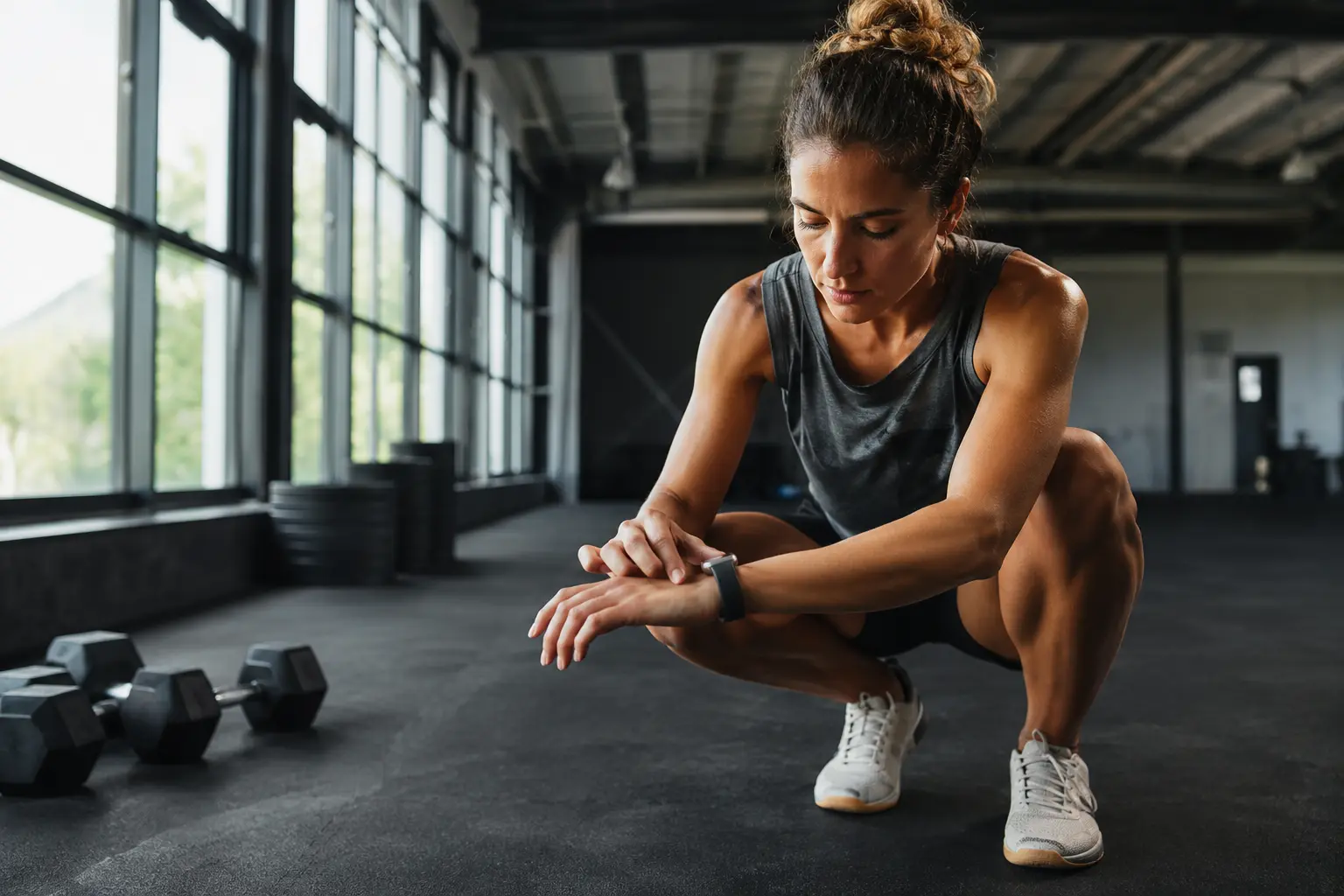
You’re scrolling through fitness content feeling overwhelmed, seeing HIIT one moment and Pilates the next, wondering which method actually delivers results without eating up your entire day or leaving you injured, and that confusion stops here because we’re breaking down the newest fitness trends explained so you can finally pick what works for your body and life.
HIIT workouts: efficient and energizing
High-Intensity Interval Training has become the go-to for women juggling multiple responsibilities because it delivers maximum results in minimal time. Picture this: you’ve got 20 minutes before work, so you do 30 seconds of burpees followed by 30 seconds of rest, then repeat with jumping jacks, mountain climbers, and sprints. Your heart rate spikes, your muscles engage, and the magic happens during recovery when your metabolism stays elevated for hours. HIIT burns calories during the session and triggers what’s called excess post-exercise oxygen consumption, meaning your body continues burning fuel even after you shower and sit at your desk. Women often report feeling more energized throughout the day after HIIT sessions. A common mistake is going all-out every single day, which leads to burnout and injury. Instead, limit HIIT to 2-3 times weekly and combine it with gentler activities like walking or stretching on other days.
- Improves cardiovascular health and endurance
- Increases muscle strength and definition
- Saves time with quick, effective workouts
Yoga: balance mind and body
Yoga isn’t just about touching your toes or achieving Instagram-worthy poses. It’s a complete system that builds functional strength while calming your nervous system, which matters enormously if you’re managing stress, sleep issues, or chronic tension. Consider a woman who spends eight hours at a desk: her shoulders creep toward her ears, her hip flexors tighten, and her lower back aches. A consistent Vinyasa practice flows through poses that lengthen tight areas while building stabilizer muscles she didn’t know she needed. Hatha yoga moves slower, giving you time to understand alignment and build awareness of your body. Ashtanga follows a set sequence, which appeals to women who like structure and progression. Beyond the physical benefits, yoga teaches breath work that you can use during stressful moments at work or home. Many women find that after just four weeks of twice-weekly yoga, their posture improves, they sleep better, and they feel less reactive to daily stressors. The key is finding a style and instructor that resonates with you rather than forcing yourself into a class that doesn’t feel right.
📘 Fix your day in under 2 minuteschoose where to begin:
Strength training: sculpt and tone
Strength training is non-negotiable for women’s long-term health, yet many avoid it fearing they’ll become bulky. That’s a myth. Building muscle requires eating in a caloric surplus and training intensely for months, which most women don’t do. What actually happens is your body becomes leaner, stronger, and more resilient. Start with bodyweight exercises like squats, push-ups, and planks to learn proper form, then progress to dumbbells or resistance bands. A practical routine for beginners involves three sessions weekly, targeting different muscle groups: one day for legs, one for upper body push movements, one for upper body pull movements. Progressive overload means gradually increasing weight, reps, or difficulty over time. For example, if you do 10 squats with 15-pound dumbbells this week, aim for 12 reps or 20 pounds next week. This constant challenge prevents plateaus and keeps your metabolism elevated. Many women report feeling more confident, capable, and energized after adopting strength training because they’re literally building power in their bodies.
Pilates: core strengthening and alignment
Pilates is precision-based movement that targets deep stabilizer muscles most people never activate in daily life. Unlike crunches that strain your neck, Pilates engages your transverse abdominis, the deepest core muscle that acts like a corset for your spine. Imagine a woman with chronic lower back pain from years of poor posture. After eight weeks of consistent Pilates, her pain diminishes because her core is finally supporting her spine properly. Pilates also improves proprioception, your body’s awareness of itself in space, which reduces injury risk during other activities. You can do Pilates on a mat using your bodyweight or on specialized equipment like a Reformer, which provides resistance and support. A typical session involves controlled, flowing movements paired with intentional breathing. Common mistakes include rushing through exercises or holding your breath, which defeats the purpose. Pilates works best when combined with cardiovascular activity and strength training because it excels at building stability and alignment rather than building significant muscle or burning massive calories. Many women find Pilates particularly helpful during perimenopause and menopause when joint stability becomes increasingly important.
Outdoor activities: nature’s gym
Outdoor exercise offers something treadmills and studio classes cannot: natural variation and mental health benefits that rival medication for mild anxiety and depression. When you hike on uneven terrain, your stabilizer muscles work overtime compared to walking on flat ground, engaging your ankles, knees, and hips in ways that build functional strength. Cycling outdoors requires constant micro-adjustments for wind, terrain, and obstacles, engaging your core and balance more than stationary bikes. Running outside strengthens your bones more effectively than treadmill running because of impact variation. Beyond the physical benefits, exposure to natural light regulates your circadian rhythm, improving sleep quality. Being in nature reduces cortisol, your stress hormone, and increases feelings of calm and perspective. A practical approach involves choosing an outdoor activity you genuinely enjoy rather than forcing yourself into something trendy. If you hate running, don’t run. If you love walking, commit to walking three times weekly and gradually increase distance or pace. Many women find that outdoor activities feel less like exercise and more like self-care, making consistency easier. The changing seasons provide natural variety that keeps your body and mind engaged.
Explore trending fitness methods like HIIT, yoga, strength training, Pilates, and outdoor activities to elevate your workout routine naturally and effectively.
Are these workouts suitable for beginners?
Yes, all the mentioned workouts can be modified to suit varying fitness levels, making them suitable for beginners with proper guidance and progression.
How often should I switch between these fitness methods?
To prevent plateaus and maintain motivation, consider switching up your workout routine every 4-6 weeks to challenge different muscle groups and prevent adaptation.
Others also read:
Disclaimer: This article is for informational purposes only and is not a substitute for professional medical advice. Always consult a healthcare professional for personal guidance.
This guide has been prepared and reviewed by the GlobalHealthBeacon editorial team and reflects current medical research as of 2026. It provides structured, evidence-based information to support informed health decisions.
