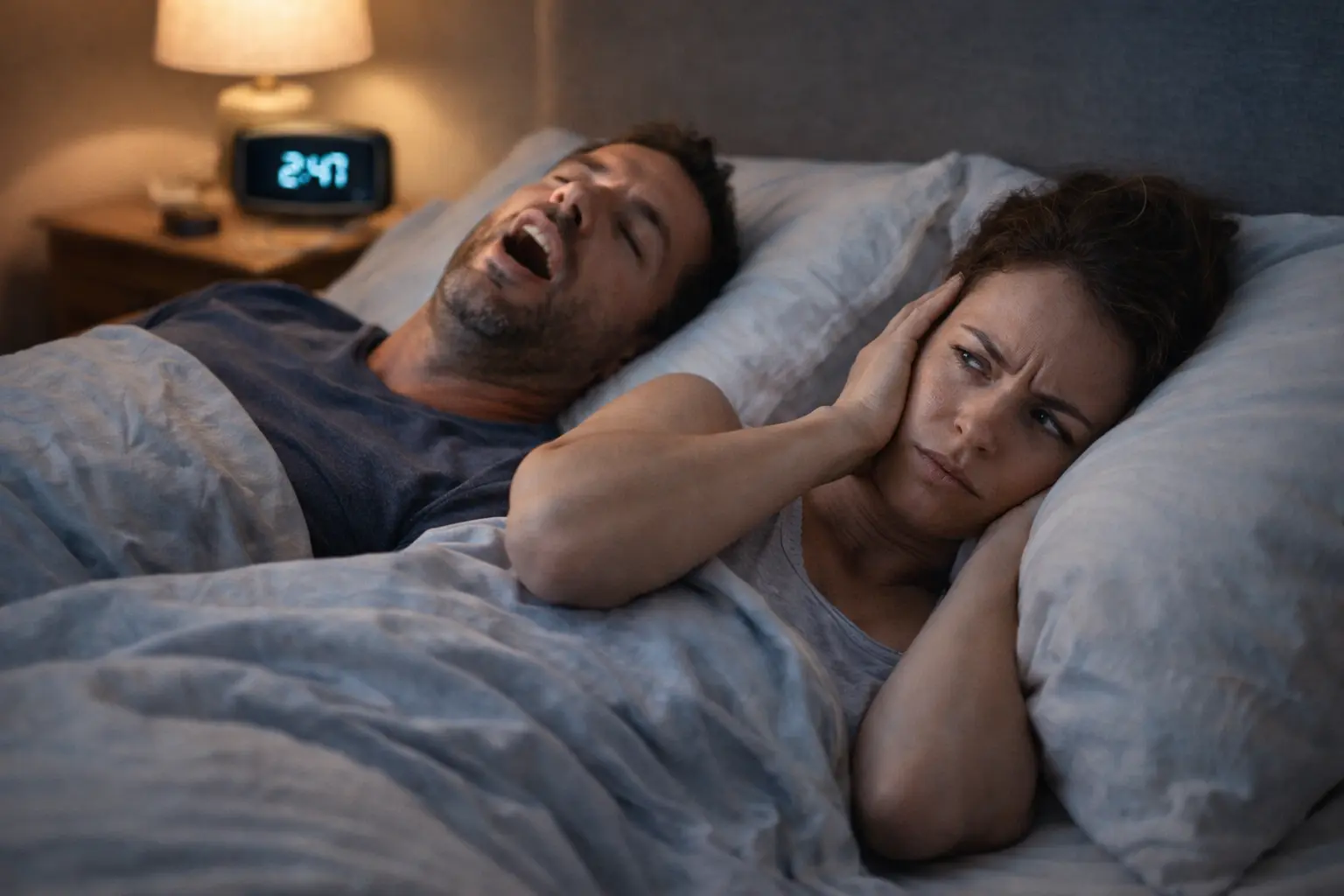
You wake up gasping for air at 3 AM, your heart pounding, and you realize you’ve stopped breathing again, and this is just another night of obstructive sleep apnea symptoms stealing your rest and leaving you wondering if you’ll ever feel human again.
The impact on daily life
Picture this: you’re sitting at your grandchild’s school play, and your eyes keep closing despite your best efforts to stay awake. That’s the reality for many seniors living with obstructive sleep apnea. The exhaustion isn’t just tiredness you can shake off with coffee. It’s a bone-deep fatigue that creeps into every corner of your day. You might find yourself snapping at your spouse over something trivial, then feeling guilty minutes later. Concentration becomes nearly impossible. Reading the newspaper requires three attempts. Hobbies you once loved suddenly feel like too much effort. The frustration builds because you know something is wrong, but the tiredness makes it hard to even articulate what you’re experiencing. Simple tasks like grocery shopping or managing finances feel overwhelming. This constant battle with fatigue doesn’t just affect your productivity; it steals moments of joy and connection with the people you care about most.
- Struggling with daytime fatigue that affects productivity and enjoyment of activities
- Experiencing mood swings and irritability due to lack of quality sleep
- Finding it hard to focus and concentrate on tasks throughout the day
Challenges in seeking treatment
Getting diagnosed with obstructive sleep apnea can feel like navigating a maze. First comes the sleep study, which itself presents challenges. You’re asked to sleep in an unfamiliar lab surrounded by sensors and monitors, which ironically makes falling asleep even harder. Then comes the waiting for results, the uncertainty about what comes next. Once diagnosed, you might be prescribed a CPAP machine, and that’s when real hesitation sets in. The mask feels claustrophobic at first. The noise bothers you. You wonder if you can really sleep with this contraption on your face night after night. Some seniors try it for a few nights, feel frustrated, and give up before their bodies have time to adjust. Others worry about the cost or the maintenance involved. The journey requires patience, persistence, and often multiple attempts with different mask styles or machine settings. Many seniors benefit from working closely with sleep specialists who can guide them through these adjustments, but accessing that support isn’t always straightforward.
💬 Ready to feel better in 2 minutes?choose where to begin:
Emotional struggles and relationships
Your partner notices you’re not yourself anymore. You’re irritable, withdrawn, less interested in activities you once enjoyed together. Sleep apnea doesn’t just affect the person experiencing it; it ripples through relationships like a stone thrown into still water. You might feel embarrassed about the snoring or the equipment you need to use. Some seniors experience depression or anxiety as their sleep deprivation deepens. The frustration of not understanding why you feel so terrible can lead to feelings of hopelessness. Relationships strain under the weight of these emotional changes. Your family might not fully grasp why you’re so tired all the time, leading to misunderstandings and hurt feelings. Communication becomes crucial but difficult when you’re exhausted and struggling emotionally. Many seniors find that opening up to their loved ones about what they’re experiencing, and explaining the real impact of obstructive sleep apnea symptoms, helps families understand and offer meaningful support. Counseling or support groups specifically for sleep apnea can also provide emotional relief.
Improving quality of life
Recovery is possible, and many seniors have found their way back to better sleep and improved well-being. The path forward often involves multiple strategies working together. Using your CPAP machine consistently, even when it feels uncomfortable at first, gradually becomes routine as your body adjusts and you experience the benefits of better oxygen flow during sleep. Establishing a solid bedtime routine helps your body recognize when it’s time to rest. This might mean going to bed at the same time each night, keeping your bedroom cool and dark, and avoiding screens an hour before sleep. Some seniors find that sleeping on their side rather than their back reduces apnea episodes. Weight management, if relevant to your situation, can also make a significant difference. Limiting alcohol and avoiding sedatives helps too. Many seniors report that once they’ve been consistent with treatment for a few weeks, they notice dramatic improvements: more energy, better mood, sharper thinking, and renewed interest in activities and relationships. The journey takes commitment, but the reward is reclaiming the restful nights and vibrant life you deserve.
Seniors living with obstructive sleep apnea face daily struggles affecting their quality of life, emotional state, and relationships. Seeking treatment, improving sleep habits, and communicating openly with loved ones are essential steps towards a better quality of life and enhanced well-being.
How does obstructive sleep apnea impact daily life?
Obstructive sleep apnea can lead to daytime fatigue, mood swings, and difficulty concentrating, affecting seniors’ productivity and quality of life.
What are effective ways for seniors to manage sleep apnea?
Seniors can improve their quality of life by adopting healthy sleep habits, using CPAP machines, and seeking emotional support to cope with the challenges of living with sleep apnea.
Others also read:
Disclaimer: This article is for informational purposes only and is not a substitute for professional medical advice. Always consult a healthcare professional for personal guidance.
This article presents an experience-based perspective and has been reviewed by the GlobalHealthBeacon editorial team in 2026. It provides structured, evidence-based information to support informed health decisions.
