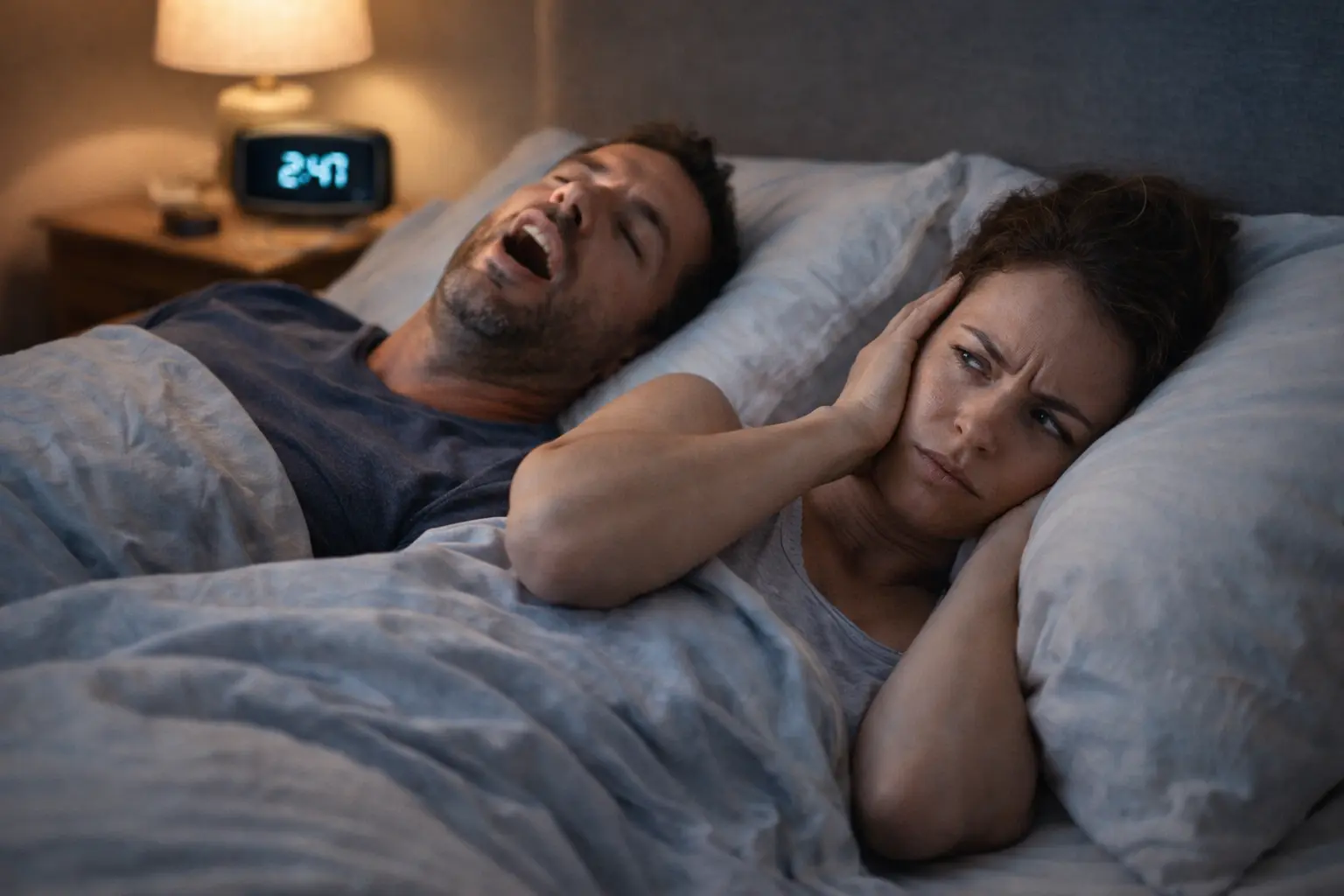
You’re waking up gasping for air, your partner complains about your snoring, and you’re exhausted no matter how many hours you spend in bed – these are obstructive sleep apnea symptoms, and they’re more common in your 60s than you might think.
Key signs of obstructive sleep apnea symptoms
Recognizing obstructive sleep apnea symptoms is your first line of defense against this condition. The signs often creep up gradually, which is why many seniors miss them at first. Loud snoring is typically the most obvious indicator, though not everyone with sleep apnea snores. You might notice you’re gasping or choking during sleep, though you may not remember these episodes in the morning. Daytime fatigue is another telltale sign – you sleep a full eight hours but still feel exhausted by mid-afternoon. Morning headaches and a dry mouth upon waking are common because your airway collapses repeatedly throughout the night, disrupting your sleep cycles. Some people describe feeling foggy or struggling to concentrate at work. If you frequently experience these signs, especially if multiple symptoms appear together, it’s essential to consult a healthcare provider for further evaluation rather than dismissing them as normal aging.
- Loud snoring during sleep
- Daytime fatigue despite a full night’s rest
- Episodes of gasping for air during sleep
- Morning headaches and dry mouth
Risk factors for sleep apnea in seniors
As you enter your 60s, your body naturally changes in ways that increase sleep apnea risk. Your throat muscles lose tone and elasticity, making airway collapse more likely during sleep. Weight gain, even modest increases over the years, narrows your airway and increases pressure on your breathing passages. Men are twice as likely to develop sleep apnea as women, though the risk equalizes after menopause. A family history of sleep apnea or snoring suggests genetic factors at play. Certain physical characteristics like a thicker neck, recessed chin, or enlarged tonsils create structural vulnerability. Medical conditions such as high blood pressure, diabetes, and heart disease often coexist with sleep apnea. Lifestyle factors matter too – alcohol and sedative medications relax throat muscles and worsen breathing interruptions. Understanding your personal risk profile helps you recognize why symptoms might develop and motivates preventive action.
📘 Fix your day in under 2 minuteschoose where to begin:
Impacts of untreated sleep apnea on senior health
Ignoring obstructive sleep apnea symptoms can have serious consequences for your long-term health. Each time your airway collapses, oxygen levels drop and your heart works harder to compensate, straining your cardiovascular system. Over time, this leads to high blood pressure, irregular heartbeat, and increased heart attack or stroke risk. Your brain also suffers from repeated oxygen drops – memory problems, difficulty concentrating, and cognitive decline can accelerate. The constant sleep disruption affects your immune system, making you more vulnerable to infections and slower to recover from illness. Daytime drowsiness from poor sleep quality significantly increases your accident risk while driving or operating machinery. Some seniors experience mood changes, depression, or anxiety linked to chronic sleep deprivation. Untreated sleep apnea can also worsen existing conditions like diabetes by affecting blood sugar control. The good news is that seeking timely diagnosis and treatment can reverse many of these effects and restore your quality of life.
Diagnosis and treatment options for seniors
If you suspect obstructive sleep apnea symptoms, your healthcare provider will likely recommend a sleep study to confirm the diagnosis. This can be done in a sleep lab where technicians monitor your breathing, oxygen levels, and sleep patterns, or increasingly, through a home sleep test that measures similar data in your own bed. The results show how many times per hour your breathing stops, helping determine severity. Treatment depends on your specific situation and preferences. Lifestyle modifications like weight loss, positional therapy (sleeping on your side), and avoiding alcohol before bed often help mild cases. CPAP machines deliver continuous air pressure to keep your airway open and are the gold standard treatment for moderate to severe sleep apnea. Oral appliances that reposition your jaw can work well for some people. In certain cases, surgical options exist to remove tissue blocking the airway. Your doctor will discuss which approach fits your health profile, lifestyle, and comfort level.
Managing sleep apnea symptoms in your 60s
Beyond medical treatment, you have real power to improve your sleep apnea through daily habits. Maintaining a healthy weight reduces pressure on your airway – even a 10 percent weight loss can significantly improve symptoms. Sleep position matters more than you might think; sleeping on your side prevents gravity from collapsing your throat, while back sleeping worsens the problem. Avoid alcohol and sedative medications in the evening as they relax throat muscles and trigger breathing interruptions. Using a humidifier in your bedroom keeps airways moist and reduces irritation. Nasal strips or saline rinses can help if nasal congestion contributes to your symptoms. Establish a consistent sleep schedule, even on weekends, to regulate your body’s natural rhythms. Regular exercise improves muscle tone and sleep quality, though avoid vigorous activity close to bedtime. Managing stress through relaxation techniques helps too. If you use a CPAP machine, consistent nightly use is crucial – many people see dramatic improvement in energy and health within weeks of starting treatment.
Recognizing key signs, understanding risk factors, seeking diagnosis and proper treatment, and adopting healthy lifestyle habits are crucial in managing obstructive sleep apnea symptoms in seniors.
What are the common symptoms of obstructive sleep apnea in seniors?
Common symptoms of obstructive sleep apnea in seniors include loud snoring, daytime fatigue, waking up gasping for air, morning headaches, and dry mouth.
How can seniors manage obstructive sleep apnea symptoms effectively?
Seniors can manage obstructive sleep apnea symptoms effectively by seeking diagnosis and treatment, maintaining a healthy weight, avoiding alcohol before bedtime, sleeping on their side, and using humidifiers to keep the airways moist.
Others also read:
Disclaimer: This article is for informational purposes only and is not a substitute for professional medical advice. Always consult a healthcare professional for personal guidance.
This guide has been prepared and reviewed by the GlobalHealthBeacon editorial team and reflects current medical research as of 2026. It provides structured, evidence-based information to support informed health decisions.
