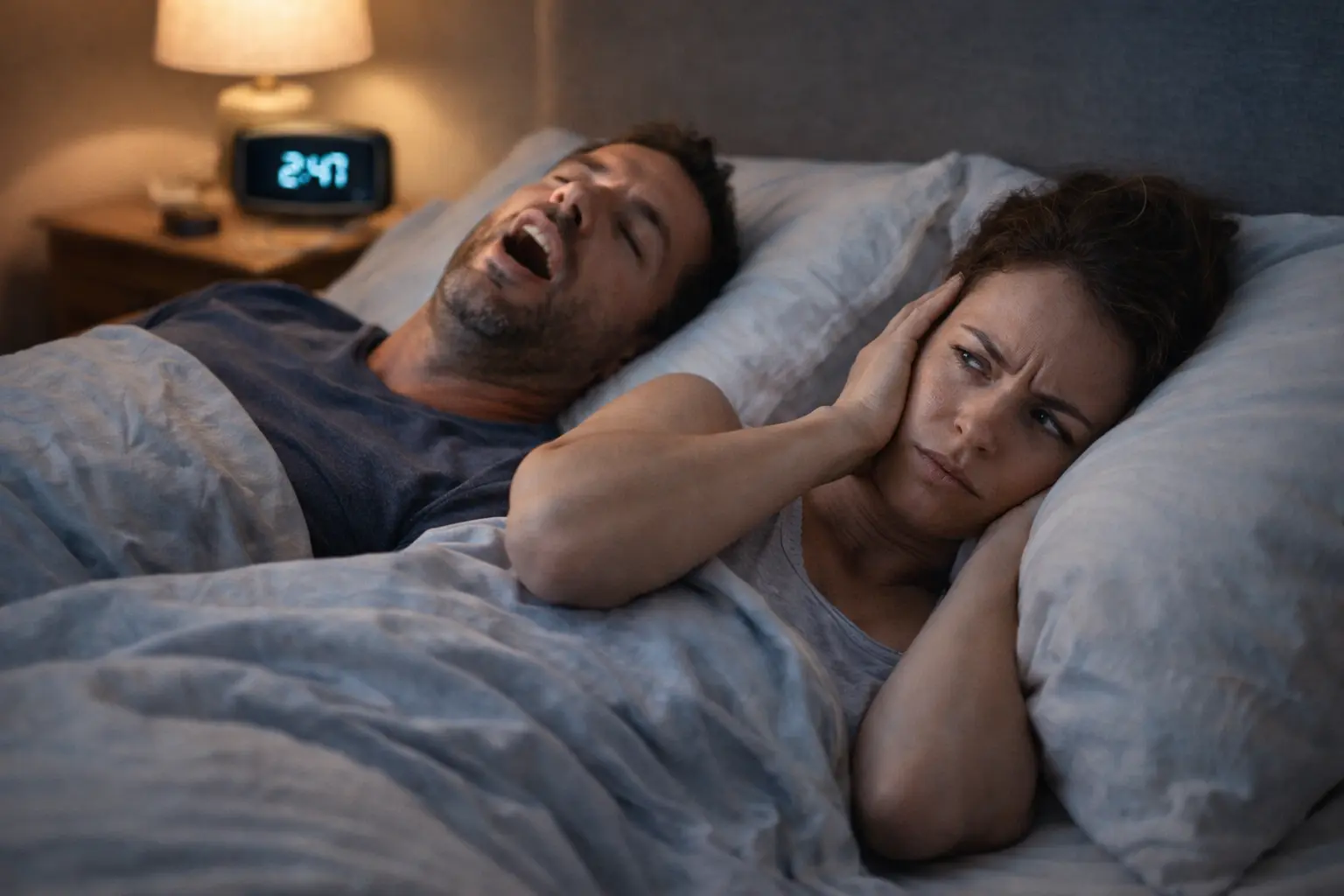
You wake up gasping for air, your heart pounding, and despite sleeping eight hours you feel like you haven’t slept at all, and that crushing fatigue is destroying your days because obstructive sleep apnea symptoms in women are being missed by doctors who don’t know what to look for.
What is obstructive sleep apnea?
Obstructive sleep apnea happens when your airway collapses repeatedly during sleep, cutting off oxygen flow to your brain and body. Imagine your throat muscles relaxing so much that they block the passage of air. Your brain then jolts you awake to restart breathing, but you often don’t remember these micro-awakenings. This can happen dozens or even hundreds of times per night. For women, the experience is often different than what doctors describe in textbooks. You might not snore loudly like men do, or your symptoms might be dismissed as stress or hormonal changes. The condition disrupts your sleep architecture, preventing you from reaching deep, restorative sleep stages where your body repairs itself and consolidates memories.
- Increased daytime sleepiness
- Loud snoring
- Episodes of breathing cessation during sleep
Signs and symptoms in women
Women experience sleep apnea differently than men, and this is why so many cases go undiagnosed. You might wake with morning headaches that feel like a vice around your skull, or experience overwhelming irritability that makes you snap at loved ones for no reason. Difficulty concentrating at work, brain fog that won’t lift, and sudden mood swings are common. Some women report waking with a dry mouth or sore throat, or feeling like they can’t catch their breath. You might notice yourself nodding off during meetings or struggling to stay awake while driving. Night sweats that drench your sheets are another signal your body is working overtime. Pay attention if you feel anxious at night, experience restless sleep, or wake frequently without knowing why. These symptoms often get attributed to menopause, depression, or stress, which delays proper diagnosis and treatment.
📘 Fix your day in under 2 minuteschoose where to begin:
Risk factors for women
Several factors increase your risk of developing obstructive sleep apnea. Being overweight or obese is a major risk factor because excess tissue around the neck narrows your airway. However, thin women can develop sleep apnea too, especially if they have a naturally smaller upper airway or a recessed chin. Hormonal changes matter significantly. Your risk increases after menopause when estrogen levels drop, since estrogen helps keep throat muscles toned. Pregnancy can trigger temporary sleep apnea due to weight gain and hormonal shifts. Having a family history of sleep apnea means your genetics predispose you to the condition. Other risk factors include smoking, alcohol use before bed, sleeping on your back, nasal congestion, and certain medical conditions like polycystic ovary syndrome or hypothyroidism. Understanding your personal risk profile helps you take preventive action early.
Diagnosing sleep apnea in women
Getting diagnosed requires a sleep study, which sounds intimidating but is straightforward. Your doctor will likely order either an in-lab polysomnography test where you sleep in a medical facility with sensors monitoring your brain waves, heart rate, oxygen levels, and breathing patterns, or a home sleep apnea test where you wear a portable device overnight. The home test is convenient and increasingly accurate. During the study, technicians measure how many times per hour your breathing stops (your apnea-hypopnea index, or AHI). If you have 5 or more events per hour, you have sleep apnea. Mild is 5-15 events, moderate is 15-30, and severe is over 30. Women often have fewer obvious symptoms at lower AHI numbers, so don’t dismiss mild results. If your doctor dismisses your symptoms, seek a second opinion from a sleep specialist. Diagnosis is the crucial first step toward reclaiming your health and energy.
Treatment options for women
Treatment depends on your severity and personal preferences. Lifestyle changes are always worth trying first. Weight loss of even 10% can significantly reduce sleep apnea severity. Sleeping on your side instead of your back keeps your airway more open. Avoiding alcohol and sedatives before bed helps your throat muscles stay engaged. Treating nasal congestion with saline rinses or nasal strips improves airflow. For moderate to severe cases, a CPAP machine delivers pressurized air through a mask to keep your airway open all night. Modern CPAP devices are quieter and more comfortable than older models, with various mask styles to fit your face shape. Some women prefer a BiPAP machine which adjusts pressure during inhalation and exhalation. Oral appliances that reposition your lower jaw are another option. In severe cases where other treatments fail, surgery to remove excess tissue or reposition jaw structures might be recommended. Work with your sleep doctor to find the treatment that fits your lifestyle and body.
Understanding obstructive sleep apnea symptoms in women is essential because your experience differs from the standard male presentation that most doctors learn about. Recognizing your unique signs, understanding your personal risk factors, getting properly diagnosed through a sleep study, and exploring treatment options that work for your life are the pathways to managing this condition effectively. Don’t accept dismissal of your symptoms. Your exhaustion is real, your health matters, and effective treatment can transform how you feel.
Can sleep apnea in women be hereditary?
While genetics can play a role in the development of sleep apnea, it is not solely hereditary. Other factors like obesity and lifestyle choices can also contribute to the condition.
Is sleep apnea more common in men or women?
Sleep apnea is more prevalent in men than in women, but the symptoms and impact on health can vary between genders.
Others also read:
Disclaimer: This article is for informational purposes only and is not a substitute for professional medical advice. Always consult a healthcare professional for personal guidance.
This guide has been prepared and reviewed by the GlobalHealthBeacon editorial team and reflects current medical research as of 2026. It provides structured, evidence-based information to support informed health decisions.
