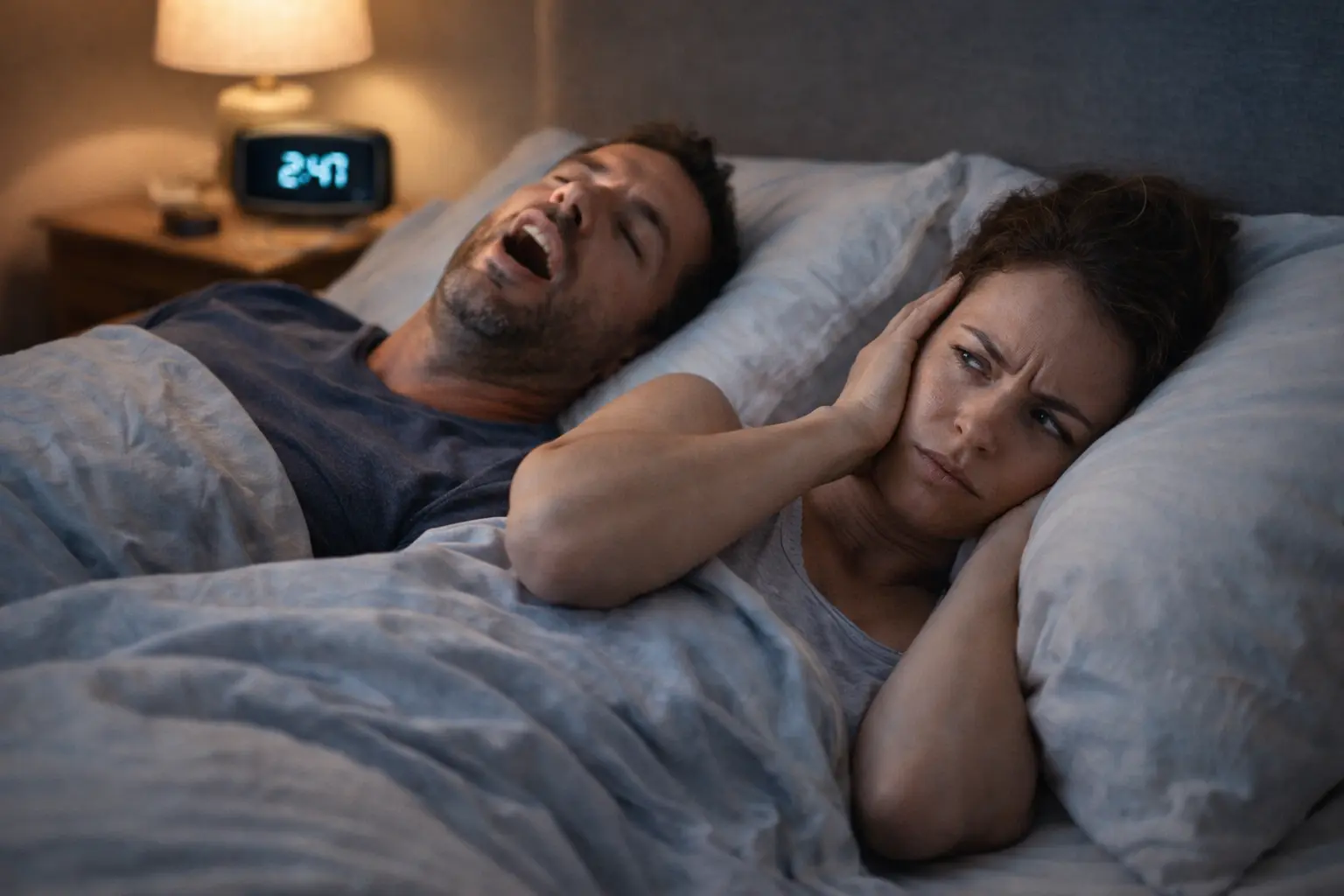
You wake up gasping for air, your heart pounding, only to realize you’ve stopped breathing again in the night, and nobody’s telling you that obstructive sleep apnea symptoms hit women completely differently than men, which means you might be suffering in silence while doctors miss what’s actually happening.
Understanding sleep apnea symptoms in women
When women experience obstructive sleep apnea, the presentation often looks different from what medical textbooks traditionally describe. While loud snoring and witnessed breathing pauses are hallmark signs, many women report a more subtle onset. Consider Sarah, a 48-year-old who spent two years attributing her morning headaches to stress and her constant fatigue to her demanding job. She’d wake multiple times nightly but didn’t remember the awakenings, only the exhaustion that followed. Frequent nighttime awakenings, morning headaches that feel like a vice grip, and excessive daytime drowsiness that makes afternoon meetings feel impossible are common experiences. The challenge lies in how these symptoms can be easily dismissed or misattributed to other conditions like depression or hormonal imbalance. Women often describe feeling unrested despite spending eight hours in bed, a sensation that persists even after a full night’s sleep. This subtle presentation means the condition frequently goes unrecognized for years, delaying the diagnosis and treatment that could restore quality of life.
Unique challenges faced by women with sleep apnea
Research consistently shows that women with sleep apnea report a distinctly different symptom profile compared to men, which creates real diagnostic obstacles. Instead of the classic loud snoring and gasping episodes, women more frequently experience insomnia, where they struggle to fall asleep or stay asleep despite being exhausted. Depression and anxiety often accompany the condition, sometimes appearing as the primary complaint during doctor visits. Imagine Jennifer, a 52-year-old who sought help for worsening anxiety, only to discover after months of therapy that her racing thoughts at night stemmed from repeated oxygen drops during sleep. This symptom overlap creates confusion because healthcare providers might treat the anxiety or depression without addressing the underlying sleep disorder. Women may also report restless sleep, frequent position changes throughout the night, or a sensation of choking that jolts them awake. The emotional toll compounds the physical exhaustion, as untreated sleep apnea can intensify mood disturbances and cognitive difficulties. This atypical presentation means women are often diagnosed years later than men with similar severity, missing crucial years of treatment that could prevent serious health complications.
Biological factors influencing sleep apnea in women
The female body undergoes distinct physiological changes that directly influence sleep apnea risk and severity in ways that don’t affect men. Hormonal fluctuations throughout the menstrual cycle can worsen breathing disruptions, with many women noticing their symptoms intensify during specific phases of their cycle. Menopause represents a critical turning point, as declining estrogen levels correlate with increased sleep apnea prevalence in women, with some research suggesting a threefold increase in risk after menopause. Anatomically, women typically have smaller upper airways than men, making the airway more prone to collapse during sleep when muscles relax. Pregnancy introduces additional complexity, as weight gain combined with hormonal shifts and physical changes to the airway can trigger or worsen sleep apnea, sometimes resolving postpartum but occasionally persisting. Consider how these factors interact: a woman entering perimenopause might experience hormonal shifts that increase airway collapse risk precisely when her body composition is changing and her airway is naturally narrower. Understanding these biological underpinnings helps explain why sleep apnea affects women differently and why treatment approaches may need to account for hormonal status and life stage.
- Track your sleep patterns daily by noting when you feel rested versus exhausted, any witnessed breathing pauses or gasping episodes, and how your symptoms fluctuate with your menstrual cycle or life stage to identify patterns your doctor should know about.
- Maintain a healthy weight through consistent movement you actually enjoy and balanced nutrition, recognizing that even modest weight loss can significantly reduce airway collapse risk and improve breathing during sleep.
- Schedule a conversation with your healthcare provider if you experience persistent fatigue, morning headaches, mood changes, or any sleep disturbances lasting more than a few weeks, bringing your symptom notes to ensure accurate evaluation.
🔬 Science-backed benefits in 2 minuteschoose where to begin:
Diagnostic challenges in women with sleep apnea
Sleep apnea remains significantly underdiagnosed in women, partly because the condition has historically been framed as a male health issue, leading to diagnostic blind spots that persist in clinical practice. When women present with fatigue and mood symptoms, providers might reflexively consider thyroid dysfunction, depression, or hormonal imbalance before considering sleep apnea. The standard diagnostic tool, polysomnography or home sleep apnea testing, measures the apnea-hypopnea index (AHI), which counts breathing disruptions per hour. However, some research suggests this metric may not fully capture the severity of sleep disruption in women, who sometimes experience more fragmented sleep with fewer complete breathing pauses. A woman might have an AHI score that appears mild yet experience debilitating daytime symptoms, leading to dismissal of her concerns. Additionally, women are more likely to report symptoms that don’t fit the classic sleep apnea narrative, causing providers to question whether sleep apnea is truly the culprit. Specialized sleep medicine centers increasingly recognize these diagnostic nuances and may employ additional assessment tools or longer monitoring periods for female patients. Advocating for thorough evaluation, including detailed symptom history and consideration of alternative diagnostic criteria, becomes essential for women seeking accurate diagnosis.
Treatment options for women with sleep apnea
Treatment for sleep apnea in women typically begins with lifestyle modifications that address modifiable risk factors while considering the woman’s unique circumstances and life stage. Weight loss, when relevant, can dramatically improve airway patency and reduce breathing disruptions, though even modest reductions of five to ten percent of body weight can yield meaningful symptom improvement. Positional therapy, where women learn to sleep on their side rather than their back, can reduce airway collapse frequency for some individuals. Continuous positive airway pressure (CPAP) therapy remains the gold standard treatment, delivering gentle air pressure to keep the airway open throughout the night, though women sometimes report different comfort or tolerance experiences compared to men. Some women benefit from exploring alternative devices like bilevel positive airway pressure (BiPAP) or oral appliances that reposition the lower jaw forward. Hormonal considerations matter too, as some women find symptom improvement with hormone therapy during menopause, though this requires careful discussion with healthcare providers about individual risks and benefits. Surgical intervention, such as procedures to enlarge the airway, may be considered when conservative treatments prove insufficient. The key lies in working collaboratively with sleep specialists to identify which combination of approaches aligns with a woman’s preferences, lifestyle, and specific symptom pattern.
Research advances and future directions
The landscape of sleep apnea research is evolving to better understand and address the condition as it manifests in women, moving beyond the historical male-centered focus that has limited clinical knowledge. Scientists are investigating how hormonal fluctuations across the menstrual cycle, pregnancy, and menopause directly influence airway stability and breathing patterns during sleep. Emerging research explores whether women experience different types of breathing disruptions compared to men, potentially requiring adjusted diagnostic thresholds or assessment approaches. Studies are examining the relationship between sleep apnea and pregnancy outcomes, recognizing that untreated sleep apnea during pregnancy may carry risks that warrant screening and management. Researchers are also investigating why women report atypical symptoms and whether these reflect genuine physiological differences in how sleep apnea manifests or represent differences in symptom perception and reporting. Advanced imaging studies are revealing anatomical variations in female airways that may explain differential susceptibility. As this research matures, clinical practice guidelines are being updated to reflect sex-specific considerations in diagnosis, treatment selection, and long-term management. This shift toward precision medicine in sleep apnea care promises more accurate diagnosis and personalized treatment strategies tailored to how the condition actually presents in women.
Sleep apnea symptoms in women present unique challenges due to biological differences and varied symptom manifestation. Diagnosis and treatment must consider these factors to ensure effective management of the condition.
Can sleep apnea affect women differently than men?
Yes, women with sleep apnea may experience different symptoms and diagnostic challenges compared to men. Understanding these differences is crucial for accurate diagnosis and personalized treatment.
What are the common risk factors for sleep apnea in women?
Common risk factors for sleep apnea in women include obesity, hormonal changes during menstruation and menopause, and anatomical differences in the upper airway. These factors can contribute to the development and exacerbation of sleep apnea symptoms.
Others also read:
Disclaimer: This article is for informational purposes only and is not a substitute for professional medical advice. Always consult a healthcare professional for personal guidance.
This article has been prepared and reviewed by the GlobalHealthBeacon editorial team and is based on current medical research and published scientific literature available in 2026. It provides structured, evidence-based information to support informed health decisions.
← Back to the Main page on: obstructive sleep apnea symptoms
