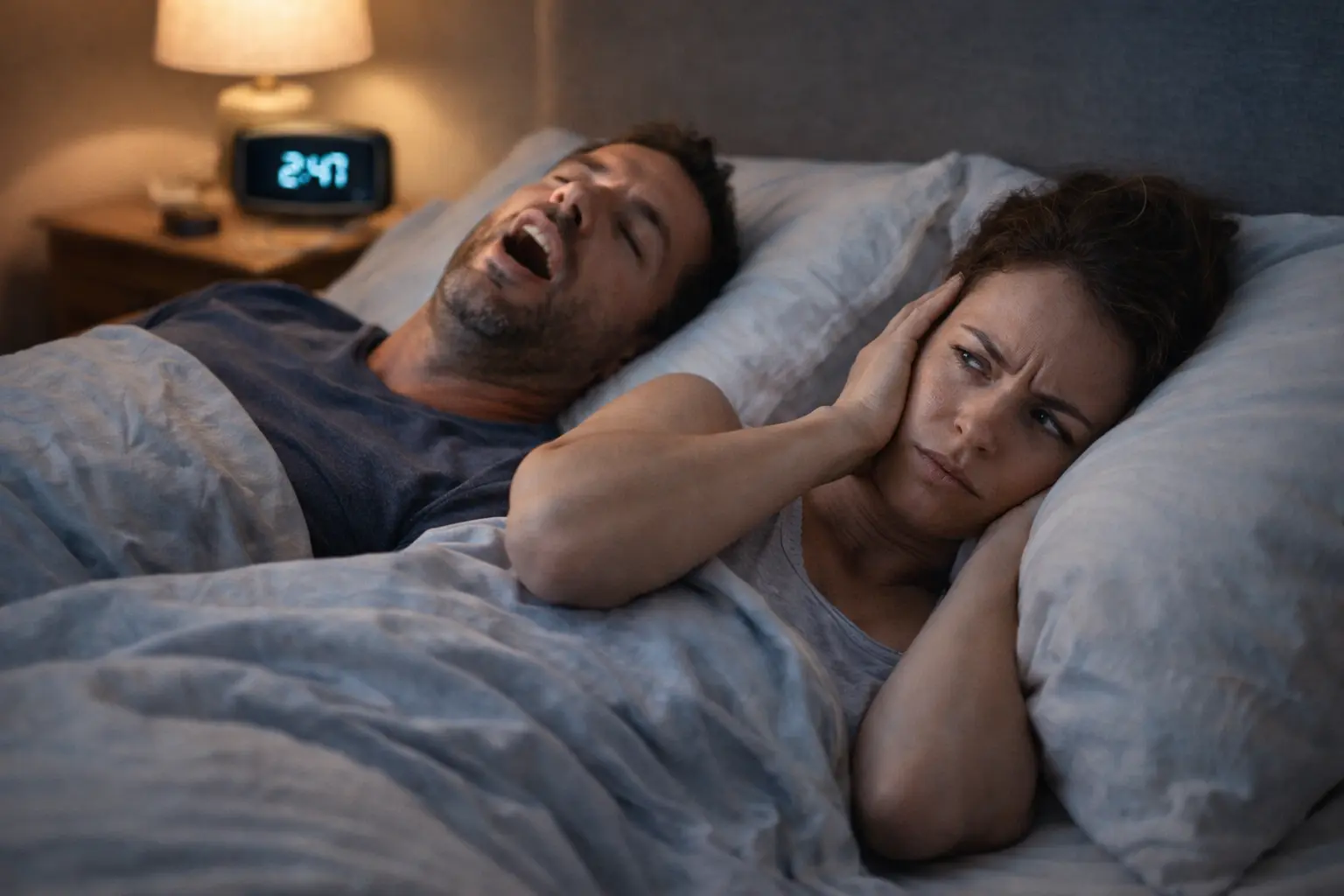
You wake up gasping for air at 3 AM, your heart pounding, and by morning you feel like you haven’t slept at all, and this exhausting cycle of obstructive sleep apnea symptoms is stealing your nights and ruining your days.
Recognizing the signs
Think about the last time someone told you that you stopped breathing in your sleep. Maybe your partner nudged you awake because you were snoring so loudly the walls seemed to shake. Or perhaps you woke yourself up gasping, unsure if you were dreaming or if something was genuinely wrong. These moments are your body sending signals that something needs attention. Loud snoring paired with sudden silences, followed by a gasp or choking sound, is classic obstructive sleep apnea territory. Then there are the morning headaches that greet you before your feet hit the floor, or that foggy feeling that makes you wonder if you even slept at all. Daytime sleepiness creeping in during conversations, while watching television, or even behind the wheel is another red flag worth taking seriously. If you find yourself constantly fatigued despite spending eight hours in bed, it’s time to consider whether obstructive sleep apnea might be the culprit.
- Incessant snoring, often accompanied by pauses in breathing
- Waking up frequently during the night
- Morning headaches and daytime sleepiness
Impact on daily life
Living with untreated obstructive sleep apnea is like trying to run on empty. Your energy tank never refills, no matter how many hours you spend in bed. You might notice yourself becoming irritable with family members over small things, or struggling to focus during important conversations. Cognitive function takes a hit too, making it harder to remember names, follow complex instructions, or make decisions with your usual clarity. Simple tasks like grocery shopping, gardening, or spending quality time with grandchildren start to feel overwhelming. The social impact can be equally tough, because you might avoid activities you once loved simply because you are too exhausted. Your mood shifts, motivation dips, and that spark of joy in everyday moments fades. Many seniors describe feeling trapped in a cycle where poor sleep creates poor health, which creates more poor sleep. The frustration builds when you realize that this decline in your quality of life might be preventable with proper screening and care.
💬 Ready to feel better in 2 minutes?choose where to begin:
Seeking professional help
Reaching out to a healthcare professional or sleep specialist is not admitting defeat, it is taking control. During your first visit, they will ask detailed questions about your sleep patterns, your energy levels, and any symptoms you have noticed. They might ask whether you live alone or with a partner, because sometimes the person sleeping next to you notices things you don’t. A sleep specialist can recommend a sleep study, which sounds intimidating but is actually quite straightforward. You might do it in a sleep lab where technicians monitor your breathing, heart rate, and oxygen levels throughout the night, or you might use a home sleep test device that you operate from the comfort of your own bed. The results paint a clear picture of what is happening during your sleep and how severe the situation is. From there, your healthcare team can tailor a treatment plan specifically for your needs, your lifestyle, and your preferences. This personalized approach makes all the difference in whether you actually stick with the treatment long term.
Improving sleep quality
Once you have a diagnosis, the path forward opens up. CPAP therapy is the most common treatment, and yes, wearing a mask while you sleep takes some getting used to, but many seniors report feeling dramatically better within days of starting. The mask delivers gentle air pressure that keeps your airway open, allowing uninterrupted sleep. Some people prefer oral appliances, which are custom-fitted devices that gently reposition your jaw to maintain airway patency. Lifestyle changes matter too, like adjusting your sleep position, losing weight if recommended by your doctor, avoiding alcohol before bedtime, and establishing a consistent sleep schedule. Imagine waking up naturally after eight hours of real, restorative sleep, feeling refreshed and ready to face the day. Imagine having the energy to take that morning walk, enjoy lunch with friends, or pursue hobbies you have been putting off. The improvement in your mood, mental clarity, and overall well-being often surprises people who finally get proper treatment. Taking action now means reclaiming not just your nights, but your entire life.
Recognizing the signs of obstructive sleep apnea, seeking professional guidance, and exploring suitable treatment options can help seniors reclaim restful nights and enhance their quality of life.
What are the common symptoms of obstructive sleep apnea?
Common symptoms include loud snoring, pauses in breathing during sleep, morning headaches, and daytime sleepiness.
How can obstructive sleep apnea be treated?
Treatment options may include CPAP therapy, lifestyle modifications, oral appliances, or surgical interventions depending on the severity of the condition.
Others also read:
Disclaimer: This article is for informational purposes only and is not a substitute for professional medical advice. Always consult a healthcare professional for personal guidance.
This article presents an experience-based perspective and has been reviewed by the GlobalHealthBeacon editorial team in 2026. It provides structured, evidence-based information to support informed health decisions.
