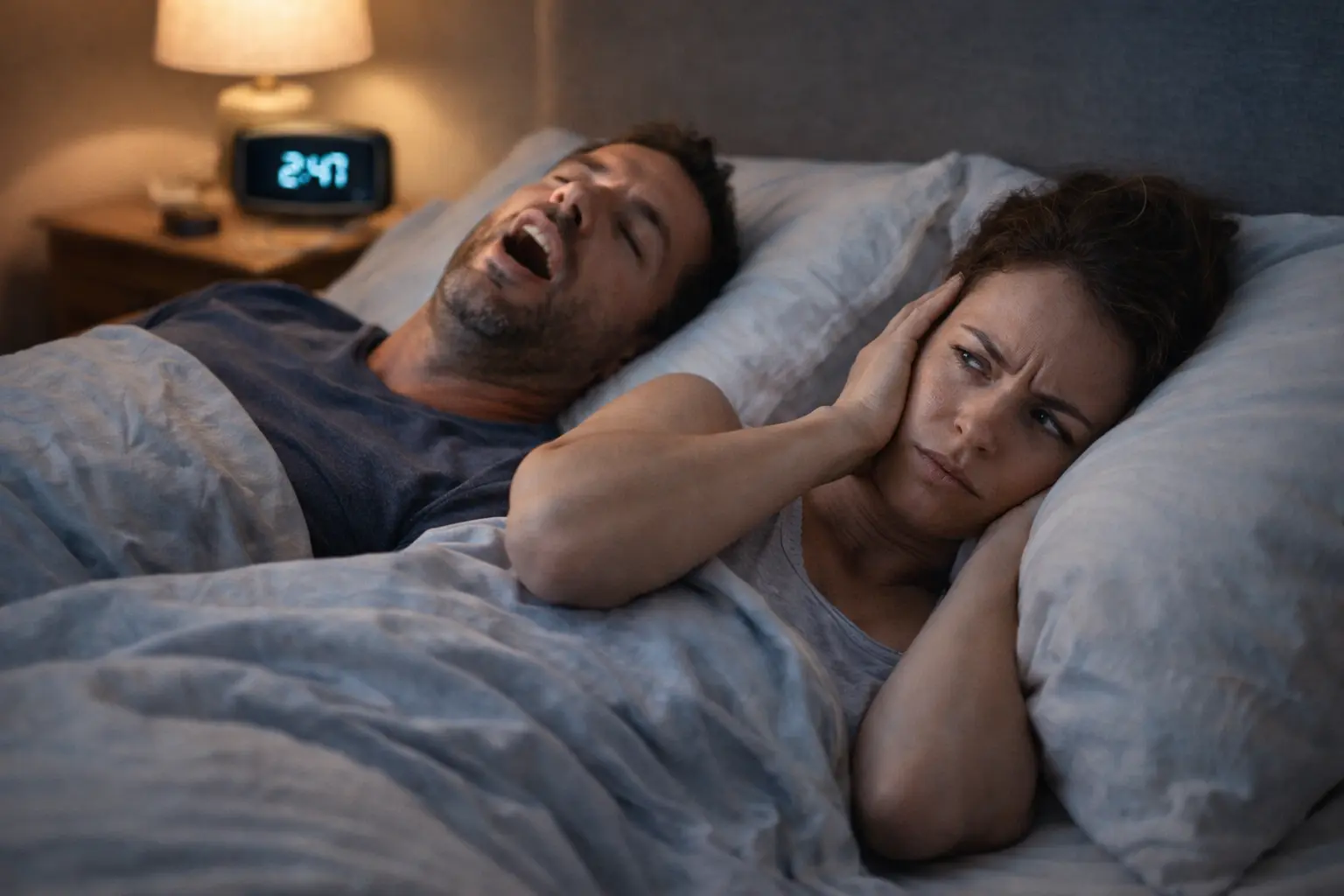
You wake up gasping for air at 3 AM, your chest tight, your heart pounding, and you have no idea why it’s happening night after night, but understanding obstructive sleep apnea symptoms is the first step to reclaiming your sleep and your peace of mind.
Understanding the symptoms
Obstructive sleep apnea in seniors often announces itself through a cluster of nighttime and daytime signals that can feel confusing at first. Loud snoring is frequently the most noticeable sign, but it goes deeper than just noise. You might experience sudden gasping or choking episodes during sleep, moments when your breathing actually stops for seconds at a time. Morning headaches are common because your brain has been working overtime to compensate for interrupted oxygen flow throughout the night. Daytime fatigue follows naturally, leaving you struggling to stay alert during important moments. Some seniors also notice increased irritability or mood changes, which stem directly from fragmented sleep patterns. Consider the case of Margaret, a 68-year-old who initially dismissed her snoring as a minor annoyance until her daughter noticed her stopping mid-breath during sleep. That observation prompted a doctor visit and eventual diagnosis. The key is recognizing that these symptoms cluster together and worsen over time, signaling that your sleep quality has genuinely declined.
- Loud snoring during sleep
- Gasping or choking episodes at night
- Morning headaches and fatigue
Risks and implications
Sleep apnea is not simply an inconvenience or a snoring problem to tolerate. Left unaddressed, it creates a cascade of serious health complications that compound over time. Your heart works harder when oxygen levels drop repeatedly throughout the night, increasing your risk of hypertension, heart attack, and stroke. The condition also disrupts blood sugar regulation, elevating your diabetes risk significantly. Beyond cardiovascular concerns, untreated sleep apnea accelerates cognitive decline and increases the likelihood of accidents due to daytime drowsiness. Think of it this way: every night without treatment is another night your body struggles under stress. A 72-year-old man named Robert ignored his symptoms for five years until he suffered a minor stroke. His doctor immediately connected it to his undiagnosed sleep apnea. The good news is that early recognition changes this trajectory entirely. When you catch these symptoms and seek diagnosis promptly, you interrupt the chain of complications before they take hold.
📘 Fix your day in under 2 minuteschoose where to begin:
Diagnostic process
Getting an accurate diagnosis requires a structured approach that your healthcare provider will guide you through. The standard method is a sleep study, either conducted in a lab or at home, where sensors monitor your breathing patterns, oxygen saturation levels, and heart rate throughout the night. During a lab-based study, you sleep in a controlled environment while equipment records detailed data about each breathing interruption. Home sleep tests offer convenience and are often sufficient for diagnosis, though they capture less comprehensive information. Your doctor reviews the results to determine the severity of your condition, measured by the apnea-hypopnea index, which counts breathing disruptions per hour. This number directly influences which treatment approach makes sense for you. The process typically takes one to two weeks from initial consultation to diagnosis. Some seniors worry about the discomfort of testing, but modern equipment is minimally invasive. Once you have your diagnosis, you have concrete information to work with, and that clarity empowers better decision-making about your next steps.
Treatment options
Treatment for sleep apnea comes in multiple forms, and your healthcare provider helps match the right option to your specific situation and preferences. Continuous positive airway pressure therapy, or CPAP, is the most common and effective treatment. It works by delivering gentle air pressure through a mask while you sleep, keeping your airway open throughout the night. Many seniors initially feel hesitant about CPAP, but newer masks are smaller and more comfortable than older models. Oral appliances offer an alternative for mild to moderate cases, positioning your lower jaw forward to prevent airway collapse. Lifestyle modifications alone sometimes help in early-stage cases, though they rarely resolve moderate to severe sleep apnea completely. In rare instances where other treatments fail or the condition is severe, surgery to remove excess tissue or reposition jaw structures becomes an option. The key is starting treatment promptly. A 70-year-old woman named Patricia tried CPAP for two weeks, felt discouraged, then switched to an oral appliance that worked better for her. Her experience shows that finding your ideal treatment sometimes requires patience and adjustment, but the effort pays off in dramatically improved sleep quality.
Lifestyle adjustments
While medical treatments address the mechanical problem of airway collapse, lifestyle changes tackle the underlying factors that worsen sleep apnea. Maintaining a healthy weight reduces pressure on your airway and improves breathing mechanics significantly. Even a 10 percent weight loss can noticeably improve symptoms. Avoiding alcohol and sedative medications before bed is crucial because they relax throat muscles and worsen breathing interruptions. Sleeping on your side rather than your back prevents gravity from collapsing your airway, a simple change with measurable impact. Good sleep hygiene matters too: keeping a consistent sleep schedule, maintaining a cool dark bedroom, and avoiding screens before bed all contribute to better sleep quality. Some seniors find that nasal strips or saline rinses help clear nasal passages, improving airflow. Staying hydrated during the day, though limiting fluids before bed, supports overall respiratory health. A 75-year-old man named James combined CPAP therapy with nightly side-sleeping and cutting evening alcohol, and within three months reported feeling like himself again. These adjustments work best when combined with your primary treatment, creating a comprehensive approach that addresses sleep apnea from multiple angles.
Understanding obstructive sleep apnea symptoms in seniors is crucial. Recognizing the signs, seeking timely diagnosis, and exploring treatment options can significantly improve sleep quality and overall well-being for older adults.
Can sleep apnea symptoms worsen with age?
Yes, sleep apnea symptoms can worsen with age due to changes in muscle tone and obesity. It is crucial for seniors to monitor their symptoms and seek appropriate medical attention.
Are sleep apnea symptoms reversible?
With proper diagnosis and treatment, sleep apnea symptoms can be effectively managed. Lifestyle adjustments, consistent CPAP therapy, and regular follow-ups with healthcare providers can help improve symptoms over time.
Others also read:
Disclaimer: This article is for informational purposes only and is not a substitute for professional medical advice. Always consult a healthcare professional for personal guidance.
This guide has been prepared and reviewed by the GlobalHealthBeacon editorial team and reflects current medical research as of 2026. It provides structured, evidence-based information to support informed health decisions.
