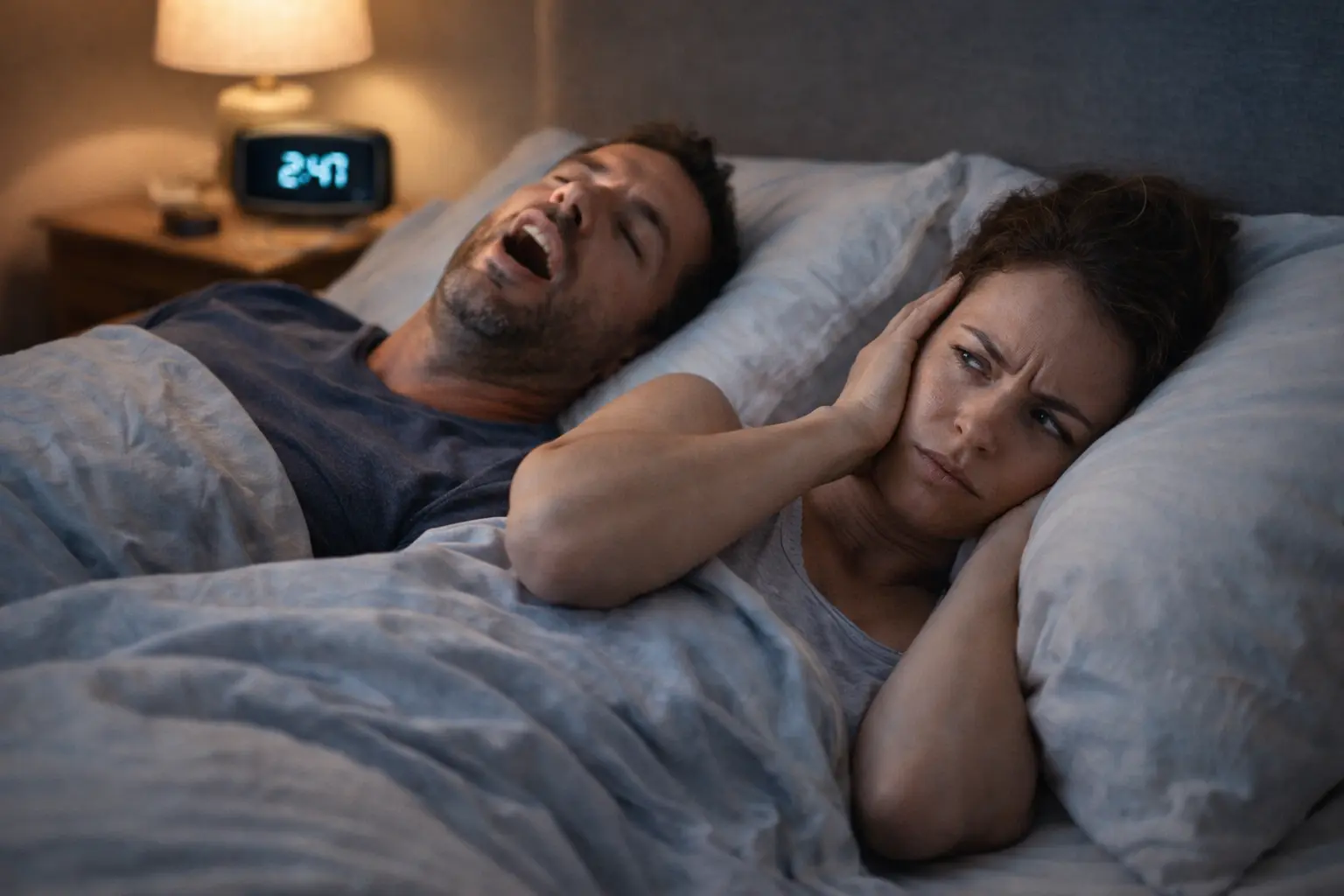
You wake up gasping for air at 3 AM, your heart pounding, and you’re exhausted before the day even starts—obstructive sleep apnea symptoms are stealing your nights and leaving you foggy all day, and it’s time to understand why this happens to so many seniors like you.
Anatomy of the airway
Your airway is a remarkable system of soft tissues, muscles, and structures that work together to keep you breathing smoothly, even while you sleep. Think of it like a flexible tube that stays open during the day but can become vulnerable at night. The pharynx, the soft palate, the tongue, and the muscles surrounding these areas all play critical roles in maintaining an open passage for air. In younger people, these tissues remain firm and responsive, contracting and relaxing with precision. But as you age, something shifts. The muscles lose their natural elasticity, tissues become looser, and the structural support weakens. Imagine a well-maintained bridge that gradually develops small cracks and sags over decades. That’s what happens in your airway. The soft tissues that once held their shape now have a tendency to collapse inward when you lie flat and your muscles relax during sleep. This anatomical vulnerability is the foundation of why obstructive sleep apnea becomes increasingly common in your senior years.
Age-related factors
The aging process brings predictable changes to your body, and your airway is no exception. Several biological shifts work together to increase your risk. First, the pharyngeal muscles that actively hold your airway open lose tone and strength over time, much like other muscles in your body that require regular use to stay firm. Second, fat distribution changes with age. Even if you maintain a stable weight, fat tends to accumulate around your neck and throat area, narrowing the space available for air to pass through. A study of typical seniors shows that neck circumference often increases by an inch or more over a decade, even without significant weight gain. Third, the structural changes in your upper airway become more pronounced. The tissues lose collagen and elasticity, making them more prone to collapse. Additionally, hormonal changes that occur with aging affect muscle tone throughout your body, including the muscles that support your airway. For women, the drop in estrogen after menopause accelerates some of these changes. Men typically face risk earlier but experience similar patterns. These factors don’t happen overnight. They accumulate gradually, which is why sleep apnea often develops slowly and goes unnoticed until symptoms become impossible to ignore.
Understanding sleep apnea risk
Sleep apnea isn’t just about snoring or occasional pauses in breathing. The condition creates a cascade of effects that ripple through your entire system. When your airway collapses during sleep, your oxygen levels drop. Your brain detects this drop and jolts you awake, often without you realizing it. This might happen dozens or even hundreds of times per night. Each micro-awakening fragments your sleep, preventing you from reaching the deep, restorative stages where your body repairs itself and consolidates memories. Over time, this fragmented sleep leads to daytime fatigue that feels like you’re moving through fog. Many seniors report difficulty concentrating, memory lapses, and mood changes. The cardiovascular strain is equally concerning. Each time your oxygen drops, your heart works harder to compensate. Blood pressure spikes. Your arteries experience repeated stress. Over months and years, this repeated strain increases your risk of heart attack, stroke, and irregular heartbeat. Some seniors don’t realize their memory problems or mood changes are connected to untreated sleep apnea until they start treatment and suddenly feel like themselves again. The good news is that diagnosis through sleep studies and treatment options like CPAP therapy can interrupt this cycle. Lifestyle modifications such as weight management, sleeping on your side instead of your back, and avoiding alcohol before bedtime can also reduce the severity of episodes.
- Consult a healthcare provider for a sleep assessment if you suspect obstructive sleep apnea symptoms such as loud snoring, gasping awake, or persistent daytime fatigue.
- Follow recommended treatment options prescribed by your healthcare provider, whether that involves CPAP therapy, oral appliances, or positional therapy.
- Implement healthy sleep habits to enhance sleep quality and reduce the impact of sleep apnea, including maintaining consistent sleep schedules and creating a cool, dark bedroom environment.
🔬 Science-backed benefits in 2 minuteschoose where to begin:
Biological implications
When your airway collapses repeatedly during sleep, your body experiences real physiological stress that extends far beyond just feeling tired the next day. Each apnea event triggers a cascade of biological responses. Your oxygen saturation drops, sometimes significantly. Your brain senses this oxygen deficit and triggers an arousal response, jolting you partially awake. Your sympathetic nervous system kicks into high gear, releasing stress hormones like adrenaline and cortisol. Your heart rate increases, sometimes dramatically. Blood pressure spikes. These aren’t gentle fluctuations. They’re repeated, intense physiological events happening night after night. Over time, this chronic stress takes a toll. Your cardiovascular system remains in a state of heightened alert, which can lead to sustained high blood pressure even during the day. Your blood vessels experience repeated stress and inflammation. Your heart muscle works harder than it should. For seniors already managing other health conditions like diabetes or heart disease, untreated sleep apnea can accelerate decline and complicate existing conditions. The fragmented sleep also affects your immune system, making you more susceptible to infections and slowing your body’s ability to heal from illness or injury.
Seeking solutions
The encouraging reality is that sleep apnea is highly treatable, and seniors who address it often experience dramatic improvements in how they feel and function. CPAP therapy, which delivers a gentle stream of pressurized air through a mask while you sleep, is the most common and effective treatment. The device keeps your airway open, preventing collapses and allowing you to breathe continuously throughout the night. Many seniors report feeling like a different person after just a few weeks of consistent CPAP use. They wake up refreshed, their thinking clears, and their mood improves. Beyond CPAP, other options exist. Oral appliances that reposition your jaw to keep your airway open work well for some people. Positional therapy, which involves training yourself to sleep on your side rather than your back, can reduce apnea severity. Some seniors benefit from weight management, which reduces the fat deposits that narrow the airway. Avoiding alcohol, especially in the evening, helps because alcohol relaxes throat muscles and worsens apnea. Certain medications can also contribute to the problem, so reviewing your medication list with your doctor matters. The key is finding the approach that fits your lifestyle and preferences, because the best treatment is one you’ll actually use consistently.
Conclusion
Understanding why your body changes with age and how those changes affect your airway is the first step toward taking control of your sleep health. Sleep apnea isn’t an inevitable part of aging, even though it becomes more common. It’s a treatable condition that responds well to the right interventions. By recognizing the warning signs, seeking a proper diagnosis, and committing to treatment, you’re not just improving your sleep. You’re protecting your heart, sharpening your mind, and reclaiming the energy and vitality that quality sleep provides. Many seniors who thought their fatigue and brain fog were just part of getting older discover that treating sleep apnea transforms their daily experience. The path forward starts with a conversation with your healthcare provider and a willingness to explore what works for you.
Seniors face increased risk of obstructive sleep apnea due to age-related changes in airway anatomy, including reduced muscle tone, increased fat deposits, and tissue laxity. Understanding these biological changes and seeking appropriate medical interventions like CPAP therapy or lifestyle modifications can significantly improve sleep quality and overall health outcomes.
What are common symptoms of sleep apnea in seniors?
Common symptoms include loud snoring, gasping or choking awake during the night, daytime sleepiness that persists despite spending time in bed, morning headaches, difficulty concentrating or memory problems, and mood changes. Some seniors also experience frequent nighttime urination. If you notice these patterns, consulting a healthcare provider for evaluation is important.
How can seniors reduce their risk of sleep apnea?
Seniors can reduce their risk by maintaining a healthy weight through balanced nutrition and regular physical activity, avoiding alcohol especially in the evening, sleeping on their side rather than their back, managing underlying conditions like high blood pressure or diabetes, and reviewing medications with their doctor. Following prescribed treatment options and maintaining consistent sleep schedules also help manage the condition effectively.
Others also read:
Disclaimer: This article is for informational purposes only and is not a substitute for professional medical advice. Always consult a healthcare professional for personal guidance.
This article has been prepared and reviewed by the GlobalHealthBeacon editorial team and is based on current medical research and published scientific literature available in 2026. It provides structured, evidence-based information to support informed health decisions.
← Back to the Main page on: obstructive sleep apnea symptoms
