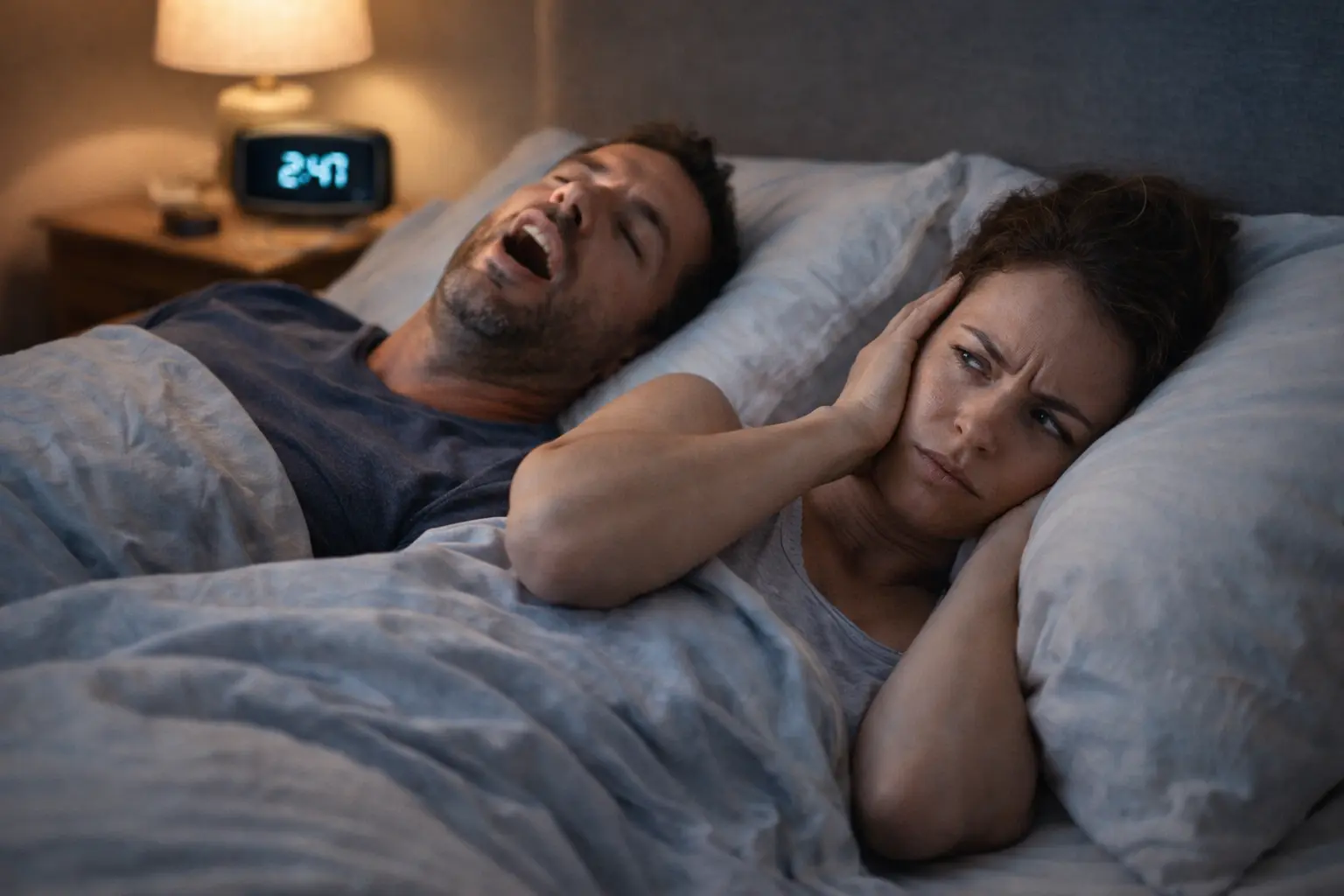
You’re waking up gasping for air, your throat feels crushed, and you’re exhausted despite sleeping eight hours straight, yet nobody around you seems to understand why obstructive sleep apnea symptoms are quietly hijacking your health and energy.
Understanding sleep apnea
Obstructive sleep apnea occurs when the muscles in your throat relax excessively during sleep, causing your airway to narrow or collapse completely. When this happens, your brain detects the drop in oxygen and briefly wakes you up so you can breathe again. This cycle can repeat dozens or even hundreds of times per night, often without you fully realizing it. Think of it like a door that keeps swinging shut and forcing you to push it open repeatedly. Each interruption fragments your sleep architecture, preventing you from reaching the deeper, restorative stages where your body repairs itself. Young adults experiencing this often describe it as feeling like they never actually sleep, even when they spend plenty of time in bed. The relaxation of throat muscles happens because of anatomical factors like a narrower airway, excess tissue, or the position you sleep in. Understanding this mechanism helps explain why the condition affects not just your nighttime rest but your entire next day.
Symptoms in young adults
Young adults with sleep apnea often miss the warning signs because they attribute exhaustion to work stress, poor sleep habits, or just being busy. Loud snoring is a classic indicator, though not everyone with sleep apnea snores, and not everyone who snores has the condition. Morning headaches are surprisingly common and happen because your brain and blood vessels react to repeated oxygen drops during the night. You might also notice dry mouth upon waking, irritability that seems disproportionate to your day, difficulty concentrating at work or school, and a persistent sense of brain fog. Some young adults report falling asleep unexpectedly during the day, even in situations where staying awake should be automatic. Others experience mood swings, anxiety, or a general sense of feeling unwell without a clear reason. The tricky part is that these symptoms can mimic stress, depression, or simply being overworked, so many young adults go years without realizing their real problem is a sleep disorder that’s completely treatable.
Diagnosis and treatment options
If you suspect sleep apnea, your first step is scheduling an appointment with a sleep medicine specialist or your primary care physician. They’ll likely recommend a sleep study, which can be done in a lab or increasingly, at home with portable monitoring equipment. During a sleep study, sensors track your breathing patterns, oxygen levels, heart rate, and sleep stages throughout the night. The results show how many times per hour your breathing stops, called the apnea-hypopnea index or AHI, which determines severity. Once diagnosed, treatment depends on how severe your condition is and your personal preferences. Lifestyle modifications like weight loss, sleeping on your side instead of your back, and avoiding alcohol before bed can help mild cases. CPAP machines deliver pressurized air to keep your airway open, while oral appliances reposition your jaw to prevent collapse. Some young adults find that simply addressing sleep position and nasal congestion makes a significant difference. The key is working with your healthcare provider to find what works for your specific situation and sticking with it consistently.
- Consult a healthcare provider for a sleep study.
- Consider lifestyle changes such as weight loss.
- Explore CPAP therapy or oral appliances as treatment options.
🔬 Science-backed benefits in 2 minuteschoose where to begin:
Impact on mental health
The relationship between untreated sleep apnea and mental health is stronger than many young adults realize. Chronic sleep deprivation from repeated breathing interruptions affects your brain’s ability to regulate mood, process emotions, and manage stress. Research shows that people with untreated sleep apnea have higher rates of anxiety, depression, and mood disturbances compared to the general population. Your prefrontal cortex, the part of your brain responsible for emotional regulation and decision-making, becomes less effective when you’re sleep-deprived. This can create a frustrating cycle where you feel anxious about your health, which worsens sleep quality, which deepens anxiety. Some young adults describe feeling emotionally fragile, snapping at loved ones over minor things, or experiencing intrusive thoughts they normally wouldn’t have. The good news is that treating sleep apnea often leads to significant improvements in mental health symptoms, sometimes within weeks. When your brain finally gets consistent, quality sleep, your emotional resilience returns and your overall sense of well-being improves dramatically.
Long-term health risks
Untreated sleep apnea isn’t just about feeling tired. The repeated oxygen drops and sleep fragmentation put real stress on your cardiovascular system. Over time, this increases your risk of high blood pressure, heart disease, stroke, and irregular heartbeat, even in young adults who seem otherwise healthy. Your body’s stress response activates repeatedly throughout the night, flooding your system with cortisol and adrenaline, which over months and years takes a toll. Sleep apnea also affects how your body processes glucose, increasing diabetes risk. The inflammation markers in your blood rise, contributing to various chronic conditions. Young adults often think these risks only apply to older people, but the damage accumulates silently over years. Someone in their twenties or thirties with untreated sleep apnea is essentially aging their cardiovascular system faster than their peers. Early detection and treatment can prevent or significantly delay these serious complications, which is why catching it now, while you’re young, gives you a major advantage in protecting your long-term health.
Seeking professional guidance
If you’ve been experiencing persistent fatigue, morning headaches, or any combination of symptoms that suggest obstructive sleep apnea symptoms might be affecting you, reaching out to a healthcare provider is your next move. Don’t minimize your concerns or assume you’re just not sleeping well. Your doctor can help distinguish between sleep apnea and other conditions that might cause similar symptoms. They’ll ask detailed questions about your sleep habits, daytime functioning, and any observations from people who sleep near you. Be honest about snoring, gasping awake, or feeling unrested despite adequate time in bed. Your healthcare provider has access to diagnostic tools and can connect you with sleep specialists if needed. They can also discuss which treatment approach aligns with your lifestyle and preferences. Getting professional guidance early means you can start feeling better sooner and protect your health from the long-term risks associated with untreated sleep apnea. You deserve to wake up feeling refreshed and to have the energy to fully engage with your life.
Obstructive sleep apnea is a treatable sleep disorder that often goes undiagnosed in young adults because its symptoms get blamed on stress or poor sleep habits. Recognizing the signs like persistent fatigue, morning headaches, and difficulty concentrating is the first step. A sleep study can confirm diagnosis, and treatment options range from lifestyle changes to CPAP therapy. Early detection and intervention prevent serious long-term health complications and improve your mental health and daily functioning significantly.
Can sleep apnea occur in young adults?
Yes, obstructive sleep apnea can affect young adults, although it is more prevalent in older age groups. Recognizing the symptoms early and seeking medical advice is essential for appropriate management.
How is sleep apnea diagnosed?
Sleep apnea is typically diagnosed through a sleep study where your breathing patterns, heart rate, and other vital signs are monitored during sleep. Consult a healthcare provider for an accurate diagnosis.
Others also read:
Disclaimer: This article is for informational purposes only and is not a substitute for professional medical advice. Always consult a healthcare professional for personal guidance.
This article has been prepared and reviewed by the GlobalHealthBeacon editorial team and is based on current medical research and published scientific literature available in 2026. It provides structured, evidence-based information to support informed health decisions.
← Back to the Main page on: obstructive sleep apnea symptoms
