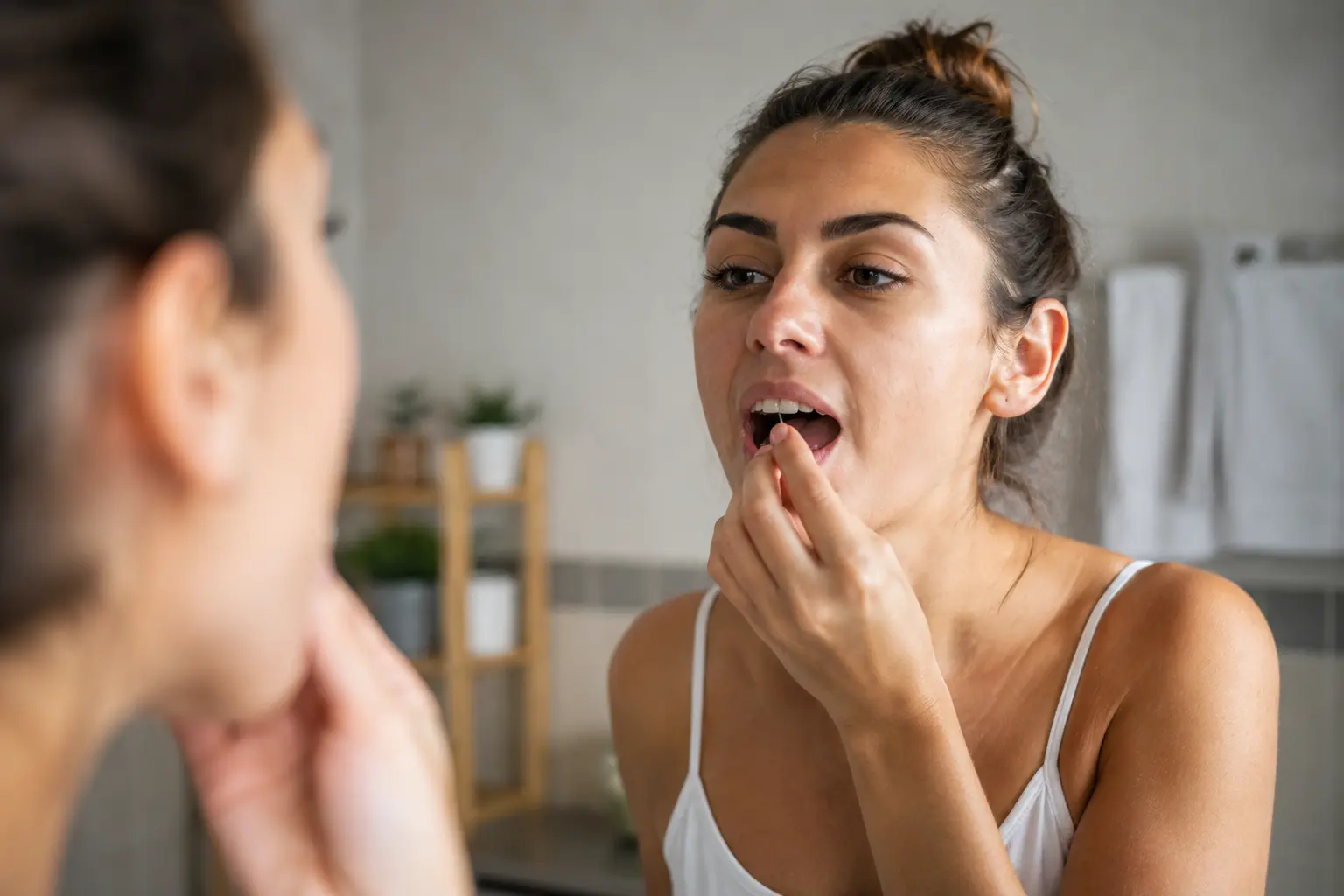
Your mouth feels off, your breath smells despite brushing, and you’re tired of guessing what’s actually wrong with your oral microbiome health – here’s exactly what you need to know and do about it.
Understanding the oral microbiome
Your mouth is basically a thriving ecosystem. Right now, hundreds of different bacteria, fungi, and viruses are living in there, and most of them are actually helping you. The oral microbiome refers to this entire community, and when it’s balanced, you get fresher breath, stronger teeth, and healthier gums. When it’s out of whack, that’s when problems start creeping in. Think of it like this: imagine your mouth as a neighborhood. The good bacteria are the residents who keep things clean and organized. The bad bacteria are the ones causing trouble. When the good ones outnumber the bad ones, everything runs smoothly. But if harmful bacteria take over, you end up with tooth decay, gum disease, and persistent bad breath. The balance matters more than you might think, and the good news is you have direct control over it through daily habits.
- Brush and floss regularly to remove plaque and prevent bacterial overgrowth.
- Limit sugary and acidic foods that can feed harmful bacteria in your mouth.
- Stay hydrated to promote saliva production, which helps wash away bacteria.
Nutrition for a healthy mouth
What you eat directly impacts what’s happening in your mouth. Your oral microbiome thrives when you feed it the right nutrients. Leafy greens like spinach and kale are packed with calcium and minerals that strengthen your teeth and support beneficial bacteria. Dairy products like cheese and milk provide casein, a protein that actually helps repair tooth enamel. Lean proteins from chicken, fish, and eggs give your mouth the building blocks it needs to maintain healthy tissue. Here’s a practical example: if you’re grabbing lunch, choosing a salad with grilled chicken and a side of yogurt does way more for your oral health than a sugary sandwich and soda. The difference isn’t just about avoiding sugar, though that matters. It’s about actively feeding your good bacteria the nutrients they need to outcompete the harmful ones. Young adults often skip this connection between diet and dental health, but your mouth responds quickly to better eating habits.
📘 Fix your day in under 2 minuteschoose where to begin:
Probiotics and prebiotics
Probiotics are the good bacteria you can actually consume to boost your oral microbiome. Yogurt, kefir, and fermented foods contain live cultures that can colonize your mouth and help maintain balance. But here’s what most people miss: those probiotics need food to survive, and that’s where prebiotics come in. Prebiotics are essentially fuel for good bacteria. Garlic, bananas, onions, and asparagus contain compounds that feed beneficial microbes. A practical strategy is to combine them. Have yogurt with banana for breakfast, or add garlic to your dinner. You’re not just eating randomly; you’re creating an environment where good bacteria can thrive. Some young adults take oral probiotic supplements specifically designed for mouth health, which can be helpful if you’ve recently taken antibiotics or dealt with an oral infection. The key is consistency. One serving of yogurt won’t transform your microbiome, but making it a regular habit absolutely will.
Natural oral care products
Your toothpaste and mouthwash matter more than you realize because they’re in direct contact with your oral microbiome multiple times daily. Harsh chemicals and artificial preservatives can disrupt the balance you’re trying to maintain. Look for toothpaste that contains fluoride for cavity protection but skip the ones loaded with artificial sweeteners and dyes. Essential oils like tea tree and peppermint have genuine antibacterial properties backed by research, not just marketing hype. Tea tree oil can help reduce harmful bacteria without nuking your entire microbiome. Peppermint provides a fresh feeling while supporting oral health. Here’s a practical tip: read the ingredient list like you’re checking food labels. If you can’t pronounce it or don’t know what it does, research it. Many young adults are switching to natural brands and finding their teeth feel healthier and their breath fresher. You don’t need expensive products either. Simple, clean formulations with recognizable ingredients work just as well as premium brands.
Routine dental check-ups
Seeing your dentist twice a year isn’t just about getting your teeth cleaned. It’s about getting an expert assessment of your oral microbiome health. Your dentist can spot early signs of imbalance before they become problems. They can identify if you have gum disease, excessive plaque buildup, or other issues that suggest your microbiome needs attention. During a check-up, your dentist can also provide personalized advice based on what they observe in your mouth. Maybe you need to floss more aggressively, or perhaps you’re brushing too hard and damaging your gums. They might recommend specific products or dietary changes. Young adults often skip dental visits because they feel fine, but that’s exactly when prevention matters most. Catching problems early means simpler, cheaper fixes. Plus, professional cleanings remove tartar buildup that brushing alone can’t handle. Think of it as maintenance for your mouth. You wouldn’t skip oil changes on a car you want to last, and your teeth deserve the same attention.
Your oral microbiome health depends on consistent daily habits, smart food choices, and professional support. By brushing and flossing regularly, eating nutrient-dense foods, incorporating probiotics and prebiotics, using natural oral care products, and scheduling regular dental visits, you’re actively building an environment where good bacteria flourish. These aren’t complicated steps, but they do require commitment. Start with one or two changes this week, then add more as they become routine. Your mouth will respond faster than you expect.
How often should I brush my teeth to maintain a healthy oral microbiome?
It’s recommended to brush your teeth at least twice a day, in the morning and before bed, to remove plaque and prevent bacterial overgrowth. Some people benefit from a gentle brush after meals or sugary snacks, but avoid brushing immediately after acidic foods or drinks as this can damage enamel.
Are probiotics necessary for oral health?
While probiotics can be beneficial for supporting a healthy oral microbiome, maintaining good oral hygiene practices and a balanced diet are also crucial for oral health. Probiotics work best as part of a complete approach, not as a standalone solution.
Others also read:
Disclaimer: This article is for informational purposes only and is not a substitute for professional medical advice. Always consult a healthcare professional for personal guidance.
This guide has been prepared and reviewed by the GlobalHealthBeacon editorial team and reflects current medical research as of 2026. It provides structured, evidence-based information to support informed health decisions.
