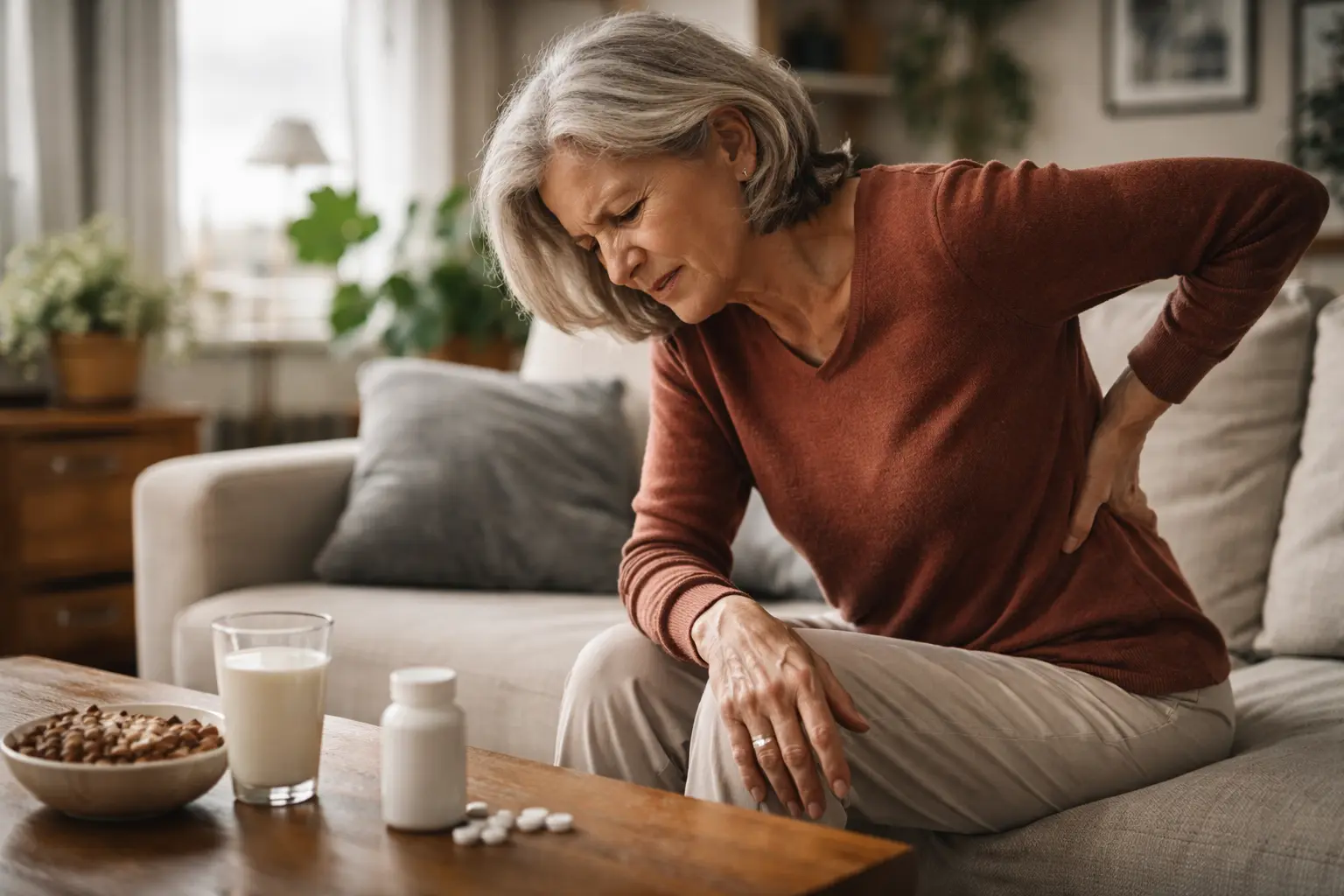
I thought I was invincible until my doctor casually mentioned my bone density scan results showed I was heading toward osteoporosis risk factors that could steal my independence, and suddenly everything changed.
The impact of age on osteoporosis risk factors
I remember my mom mentioning her creaky knees around age 55, and I brushed it off as normal aging. What I didn’t realize was that her body was sending signals I should have paid attention to. As women age, our bodies go through profound hormonal shifts, especially after menopause when estrogen levels plummet. This isn’t just about feeling tired or moody; estrogen actually plays a critical role in maintaining bone density. When it drops, our bones start losing mass faster than we can rebuild it. Think of it like a bank account where withdrawals suddenly exceed deposits. I started noticing subtle changes around 48: a slight loss of height, occasional backaches that lingered longer than expected. My doctor explained that post-menopausal women can lose up to 20% of their bone density in the first five to eight years after menopause. That statistic hit differently when I realized I was already heading into that window. Regular bone density screenings became non-negotiable for me, transforming from something I avoided into my secret weapon for catching problems early.
- Increasing age leads to a natural decrease in bone mass and strength.
- Post-menopausal women are particularly vulnerable to rapid bone density decline.
- Regular bone density screenings are essential for early detection and preventive interventions.
Nutritional deficiencies and osteoporosis risk factors
My wake-up call came when I realized I’d been drinking oat milk lattes for years without checking if they had added calcium. I was so focused on cutting calories and avoiding dairy that I’d inadvertently created a nutritional blind spot. Calcium and vitamin D aren’t just buzzwords; they’re literally the building blocks your bones need to stay strong. When I tracked my diet with a nutritionist, I discovered I was getting maybe 600mg of calcium daily when I needed 1,200mg. Vitamin D was even worse. I spent so much time indoors working that my body wasn’t producing enough from sunlight. The combination felt like a one-two punch. Women with restrictive diets, whether from food allergies, ethical choices, or simply habit, often don’t realize they’re setting themselves up for trouble. I started noticing my friends who avoided dairy entirely or followed very low-calorie diets seemed to have more joint issues and fatigue. It made sense once I understood the connection. Now I’m intentional about calcium-rich foods like leafy greens, fortified plant-based milks, and sardines. Adding a vitamin D supplement felt like finally giving my bones the support they desperately needed.
💬 Ready to feel better in 2 minutes?choose where to begin:
The role of genetics in osteoporosis susceptibility
When my doctor asked about family history, I hesitated. My grandmother had a hip fracture at 72, and my mom mentioned osteoporosis casually at a family dinner like it was inevitable. I’d always thought genetics were destiny, something I couldn’t change, so why worry? But that’s not quite how it works. Yes, genetics load the gun, but lifestyle pulls the trigger. If your mother or grandmother had osteoporosis, your risk is genuinely higher. Your genes influence how much peak bone mass you build in your 20s and 30s, and how quickly you lose it as you age. I learned that some women are genetically programmed to have naturally lower bone density, while others seem to maintain strong bones effortlessly. This isn’t fair, but it is real. What changed my perspective was realizing that knowing my genetic risk wasn’t a death sentence; it was actually empowering. It meant I could be more aggressive with prevention. I could prioritize weight-bearing exercise, nail my nutrition, and get screened earlier than standard guidelines recommend. My genetic predisposition became my reason to act, not my reason to give up.
Lifestyle choices and osteoporosis prevention
I used to pride myself on my sedentary work-from-home setup until I realized I was basically training my bones to be weak. Bones respond to stress and movement; without it, they atrophy. When I finally started walking 30 minutes daily and added resistance training twice a week, I felt the difference in my posture within months. My physical therapist explained that weight-bearing exercise sends signals to your bones saying, ‘Hey, we need to stay strong.’ Meanwhile, I watched my friend Sarah, a heavy smoker, complain about constant back pain at 50. Smoking literally interferes with bone formation and accelerates bone loss. Excessive alcohol does the same thing, competing with calcium absorption and damaging bone cells. I’m not saying you need to become a gym rat or give up everything you enjoy, but small shifts matter enormously. I swapped my evening wine habit for occasional weekend drinks. I started taking the stairs instead of the elevator. I joined a yoga class not for Instagram photos but because it genuinely strengthened my core and improved my balance, which protects against falls. These weren’t dramatic overhauls; they were conscious choices that added up to real protection for my bones.
Understanding the interplay of age, nutrition, genetics, and lifestyle choices is essential in comprehending the complexities of osteoporosis risk factors. By recognizing these key determinants, women can take proactive measures to safeguard their bone health and minimize the likelihood of developing osteoporosis.
Can osteoporosis be prevented?
While osteoporosis cannot be completely prevented, early detection and lifestyle modifications can reduce the risk of developing the condition. Regular exercise, a balanced diet rich in calcium and vitamin D, and avoiding harmful habits like smoking and excessive alcohol consumption can help maintain bone health.
Are all women at risk of osteoporosis?
While post-menopausal women are at higher risk due to hormonal changes, all women are susceptible to osteoporosis as they age. Factors such as genetics, nutrition, and lifestyle choices also play a significant role in determining individual risk levels.
Others also read:
Disclaimer: This article is for informational purposes only and is not a substitute for professional medical advice. Always consult a healthcare professional for personal guidance.
This article presents an experience-based perspective and has been reviewed by the GlobalHealthBeacon editorial team in 2026. It provides structured, evidence-based information to support informed health decisions.
