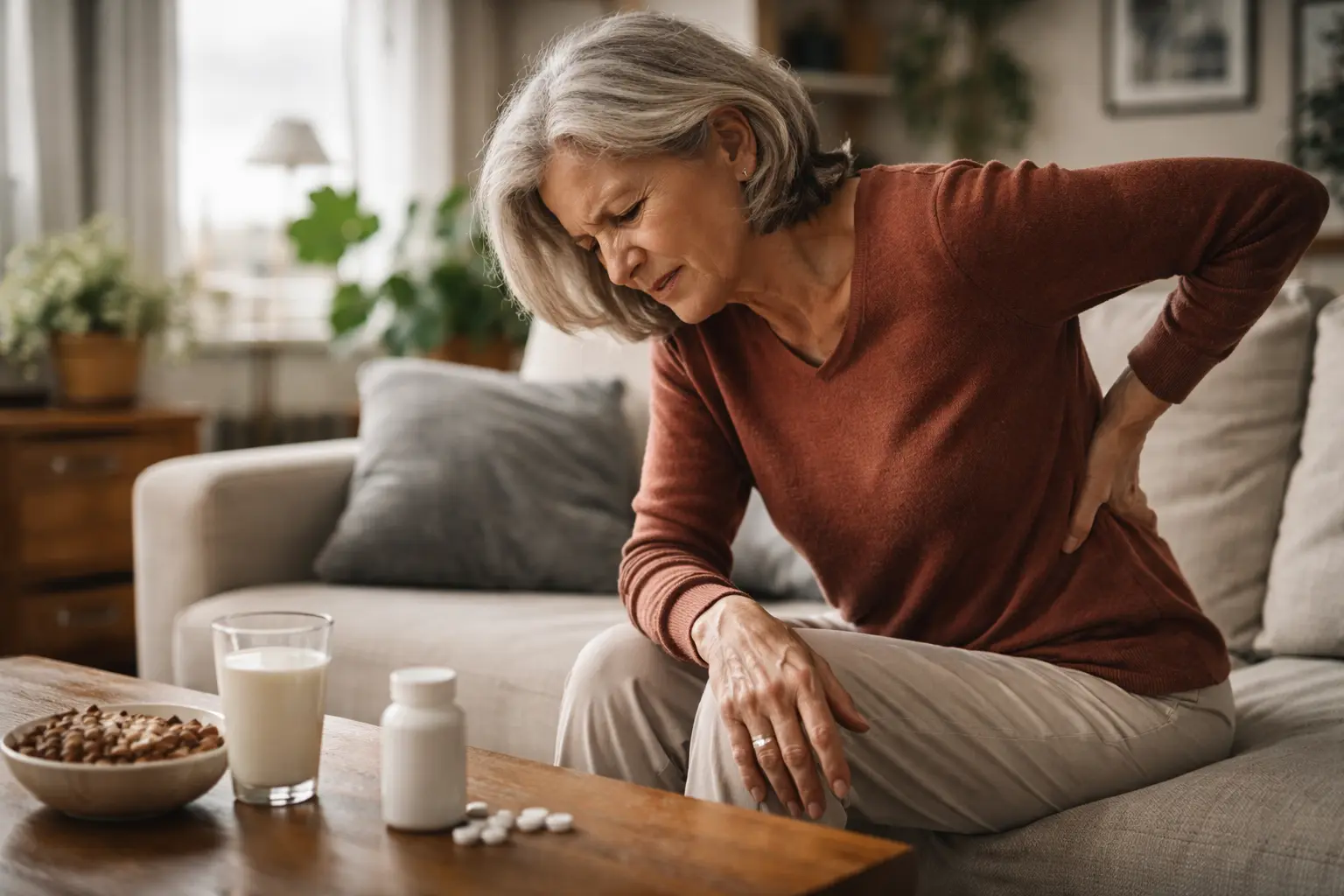
Your bones feel heavier, a fall that would have meant nothing at 30 now terrifies you, and you are starting to wonder if osteoporosis risk factors are silently working against you right now.
Bone density and aging
Picture your bones as a living structure, constantly being rebuilt and remodeled throughout your life. When you are younger, new bone is added faster than old bone is removed, increasing bone mass. But around age 30, most people reach peak bone mass, and from that point forward, bone remodeling continues, but you lose slightly more bone mass than you gain. As you move into your senior years, this loss accelerates. The outer shell of your bones becomes thinner, and the spongy interior becomes more porous, like a honeycomb with larger holes. This natural process happens to everyone, but the rate varies significantly. Some seniors experience gradual, manageable decline, while others see rapid deterioration. Bone density scans, called DEXA scans, measure this loss and help identify who is at higher risk. Understanding that this is a normal biological process, not a personal failure, helps seniors approach bone health with realistic expectations and informed decision-making.
Hormonal changes
Hormones act like messengers in your body, controlling how bone cells work and how quickly bone is broken down and rebuilt. For women, estrogen is particularly crucial. When estrogen levels drop sharply during menopause, bone loss accelerates dramatically. A woman can lose up to 10 percent of her bone mass in the first five years after menopause. Men experience a slower, more gradual decline in testosterone as they age, which also affects bone density but typically over a longer timeframe. Think of estrogen and testosterone as protective shields for bone. When those shields weaken, the bone-breaking-down cells work faster than the bone-building cells can keep up. This hormonal shift is not something you can stop, but recognizing it helps explain why bone health becomes increasingly important after midlife. Some seniors discuss hormone-related bone loss with their healthcare providers to understand their individual risk profile and explore options that might be relevant to their situation.
Nutritional deficiencies
Your bones are not just structure. They are a living reservoir of minerals, primarily calcium and phosphorus, which give bone its strength and hardness. Vitamin D plays an equally critical role because your body cannot absorb calcium without it. Imagine trying to build a house without the right materials or tools. That is what happens when seniors do not get enough calcium and vitamin D. A 75-year-old who has eaten a calcium-poor diet for decades may have bones that look structurally sound on the outside but are actually fragile and weak inside. Vitamin D deficiency is particularly common in seniors who spend limited time outdoors or live in northern climates with less sunlight. Other nutrients like magnesium, vitamin K, and protein also support bone health. Many seniors do not realize their diet may be falling short until a fracture occurs. Regular conversations with a healthcare provider about nutrition can help identify gaps before they become problems.
- Ensure a diet rich in calcium and vitamin D through foods like dairy products, leafy greens, fatty fish, and fortified cereals.
- Consider supplements if necessary, but discuss timing and type with your healthcare provider since some interact with medications.
- Regularly monitor your nutrient levels with your healthcare provider through blood tests and dietary assessments.
🔬 Science-backed benefits in 2 minuteschoose where to begin:
Lifestyle factors
The choices you make every day add up over decades. Smoking damages bone-building cells and reduces blood flow to bones, making them weaker and slower to heal. A 70-year-old who smoked for 40 years may have significantly lower bone density than a non-smoker of the same age. Excessive alcohol consumption interferes with calcium absorption and damages bone cells directly. A sedentary lifestyle is equally harmful. Your bones respond to the demands you place on them. Weight-bearing activities like walking, dancing, or light resistance exercises send signals to your bones to stay strong. Seniors who spend most of their day sitting down essentially tell their bones they are not needed, and the body responds by letting them weaken. Conversely, a 65-year-old who walks regularly, avoids smoking, and drinks moderately can maintain significantly better bone health than peers with opposite habits. It is never too late to improve these factors, though the sooner you start, the better the results.
Medical conditions
Some health conditions directly interfere with bone health through different mechanisms. Rheumatoid arthritis causes inflammation that accelerates bone loss around affected joints. Hyperthyroidism speeds up your metabolism, including the rate at which bone is broken down. Gastrointestinal disorders like Crohn’s disease or celiac disease prevent proper absorption of calcium and vitamin D, even if you consume enough. Chronic kidney disease disrupts vitamin D activation, which is essential for calcium absorption. Type 2 diabetes, surprisingly, can lead to weaker bones despite higher bone density readings because the bone quality is compromised. A senior with multiple conditions faces compounded risk. Someone managing both rheumatoid arthritis and gastrointestinal issues, for example, is dealing with two separate pathways to bone loss. This is why seniors with chronic conditions benefit from coordinated care where their healthcare providers understand how their various conditions interact and affect bone health.
Genetic predisposition
Your genes influence how much peak bone mass you achieve in early adulthood and how quickly you lose bone as you age. If your mother or father had osteoporosis or experienced fractures from minor falls, your risk is higher. Genetics account for roughly 60 to 80 percent of the variation in bone density between individuals. This does not mean you are destined to develop osteoporosis if your parents did, but it does mean you start from a different baseline than someone without family history. A senior whose mother had a hip fracture at 70 might benefit from earlier screening and more proactive management. Conversely, someone with a family history of strong bones can be more relaxed about bone health, though not complacent. Genetic predisposition works alongside all the other factors discussed. A person with excellent genes but poor lifestyle choices may still develop osteoporosis, while someone with genetic risk but excellent habits may maintain strong bones. Understanding your family history gives you valuable information to discuss with your healthcare provider.
Bone density decreases with age, making seniors more vulnerable to osteoporosis. Hormonal changes, nutritional deficiencies, lifestyle factors, medical conditions, and genetics all play key roles in determining the risk of developing the condition. The encouraging truth is that while you cannot change your age or genetics, you can influence most other factors through informed choices and regular communication with your healthcare provider.
Can osteoporosis be prevented in seniors?
While osteoporosis cannot always be entirely prevented, seniors can reduce their risk by maintaining a healthy lifestyle, ensuring proper nutrition, and discussing preventive measures with their healthcare provider. Early detection through bone density screening allows for earlier intervention when it is most effective.
Are men at risk of osteoporosis as they age?
Yes, although osteoporosis is more common in women, men are also at risk of developing the condition as they age due to changes in hormones and bone density. Men often develop osteoporosis later than women, but when it occurs, fractures can be just as serious. Men are sometimes diagnosed later because screening is less routine for them.
Others also read:
Disclaimer: This article is for informational purposes only and is not a substitute for professional medical advice. Always consult a healthcare professional for personal guidance.
This article has been prepared and reviewed by the GlobalHealthBeacon editorial team and is based on current medical research and published scientific literature available in 2026. It provides structured, evidence-based information to support informed health decisions.
