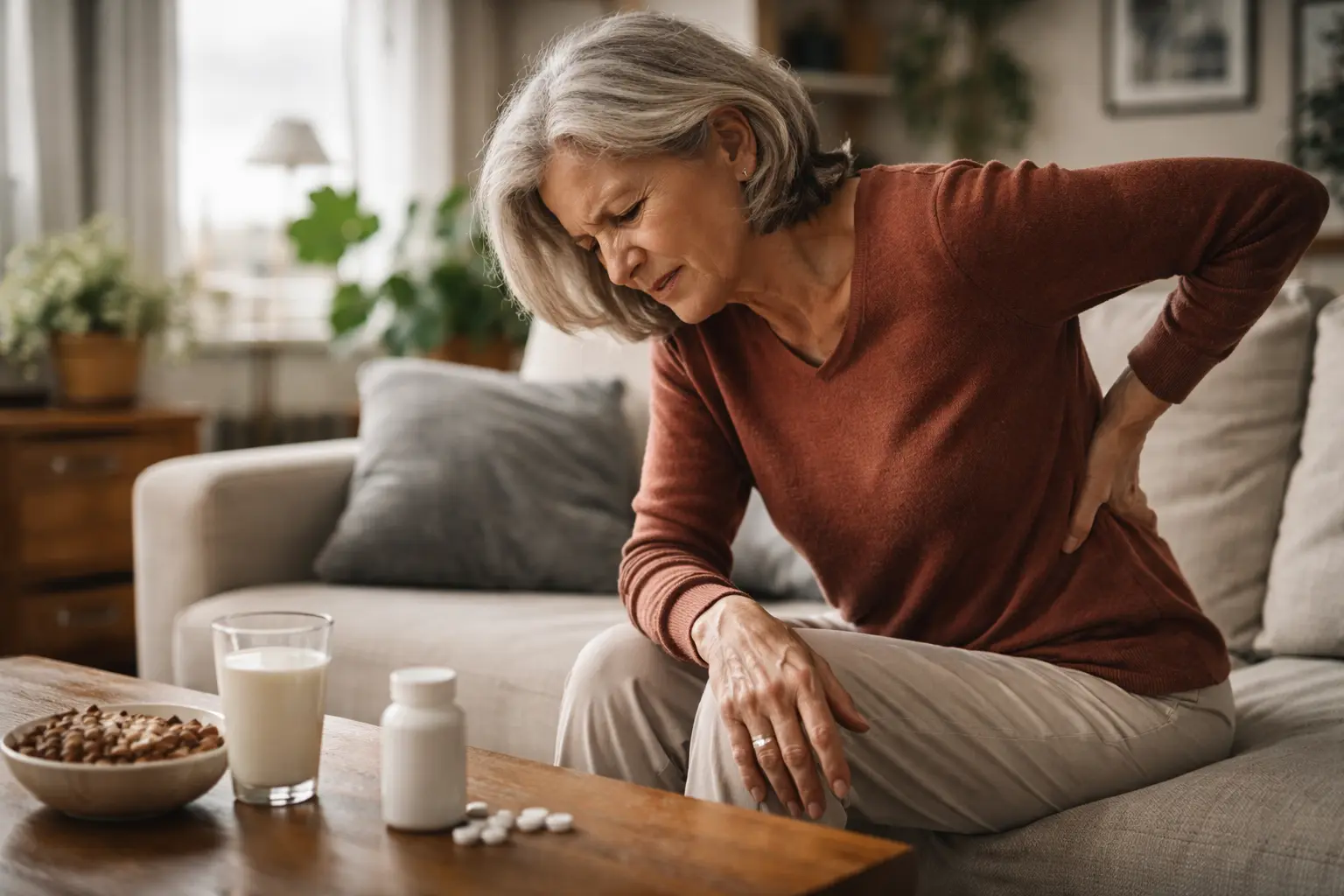
Your bones are quietly weakening and you might not even know it until a simple fall changes everything, which is why understanding osteoporosis risk factors and estrogen’s role in bone health isn’t just medical trivia, it’s your roadmap to staying strong.
Estrogen’s crucial role in bone health
Estrogen operates like a master regulator within your skeletal system, orchestrating a delicate balance that keeps your bones strong and resilient. This hormone, often associated with reproduction, actually spends most of its time managing bone turnover, the constant process of old bone being removed and new bone being added. Think of your skeleton as a living structure undergoing continuous renovation. Osteoclasts are the demolition crew, breaking down aged bone tissue, while osteoblasts are the construction team, laying down fresh bone material. Estrogen ensures these two teams work in harmony. When estrogen levels are robust, this balance tips slightly toward bone formation, meaning more new bone is built than old bone is removed. This is why younger women typically have denser, stronger bones. The hormone also influences how your body absorbs and uses calcium, the mineral that gives bone its strength and rigidity. Without adequate estrogen signaling, this finely tuned system begins to falter, setting the stage for bone density loss that can accumulate over years.
The menopause effect on estrogen levels
Menopause represents a dramatic biological turning point where estrogen production plummets, sometimes dropping by 90 percent or more within just a few years. This isn’t a gradual fade but rather a steep decline that catches many women off guard. During the perimenopausal years leading up to menopause, hormonal fluctuations create an unpredictable environment where bone loss can accelerate unpredictably. Once menopause is complete, bone loss continues but at a more steady pace. Research shows that women can lose up to 10 percent of their bone mass in the first five years after menopause alone. Imagine your bones as a bank account where deposits are slowing dramatically while withdrawals continue at normal speed. The deficit compounds year after year. This hormonal shift is why osteoporosis risk increases significantly for postmenopausal women, particularly those in their 60s and beyond. A woman who had healthy bone density at 50 might find herself at substantial risk by 65 if no preventive measures are taken. The timing of menopause matters too, as women who experience early menopause face a longer window of low estrogen exposure.
Implications for women’s bone health
Understanding how to protect your bones when estrogen is declining requires a multifaceted approach that addresses both the biological reality and practical lifestyle choices. Weight-bearing exercises, where your muscles work against gravity, send signals to your bones that they need to stay strong. Walking, dancing, climbing stairs, or resistance training all trigger bone-building responses. Calcium and vitamin D work as a partnership, with vitamin D enabling your intestines to absorb calcium efficiently. Without enough vitamin D, even a calcium-rich diet won’t fully protect your bones. Many women don’t realize they’re deficient in either nutrient until bone density testing reveals the problem. A hypothetical scenario illustrates this: Sarah, 58, assumed her diet was fine because she drank milk daily, but testing showed low vitamin D from limited sun exposure and insufficient supplementation. After adjusting her routine to include both nutrients and regular walking, her follow-up scan showed stabilized bone density. Common mistakes include relying solely on supplements without exercise, or exercising without ensuring adequate nutrition. Healthcare providers can assess your individual risk through bone density scans and recommend personalized strategies that might include monitoring, lifestyle changes, or other medical options tailored to your specific situation.
- Engage in weight-bearing exercises regularly, aiming for at least 150 minutes per week of activities like brisk walking, dancing, or strength training.
- Incorporate calcium-rich foods into your diet such as dairy products, leafy greens, fortified plant-based alternatives, and legumes.
- Ensure adequate vitamin D intake through sun exposure, food sources like fatty fish and egg yolks, or supplements as recommended by your healthcare provider.
- Schedule bone density evaluations as recommended by healthcare providers, especially if you are approaching or in menopause.
🔬 Science-backed benefits in 2 minuteschoose where to begin:
Understanding the bone-estrogen connection
The relationship between estrogen and bone health reveals why women face unique skeletal challenges across their lifespan. Estrogen doesn’t just influence bone density, it affects how your body responds to mechanical stress, how minerals are distributed, and even how inflammation impacts bone tissue. Throughout your reproductive years, estrogen provides a protective cushion that keeps bone loss minimal. But this protection comes with a cost: when estrogen drops, your bones become vulnerable to rapid remodeling. This vulnerability isn’t uniform across all bones either. Your hip, spine, and wrist tend to lose density faster than other skeletal sites, which is why fractures in these locations are more common in older women. The hormonal fluctuations of perimenopause can create a window of accelerated bone loss lasting several years. Some women experience this more intensely than others, depending on genetics, lifestyle, and overall health. Understanding this connection helps explain why a 65-year-old woman might have very different bone health outcomes than another woman the same age, based largely on how their individual bodies responded to hormonal changes and what preventive steps they took.
Hormone replacement therapy considerations
Hormone replacement therapy, or HRT, represents one option for managing the bone health consequences of estrogen depletion, though it’s not appropriate or desired for everyone. HRT can slow bone loss and even increase bone density in some women, particularly when started early in menopause. However, the decision involves weighing potential benefits against individual health risks, which vary based on family history, personal medical conditions, age, and other factors. Some women find that HRT provides relief from multiple menopausal symptoms while also protecting bone health, making it a practical choice for their situation. Others prefer to manage bone health through lifestyle modifications alone or find that HRT isn’t medically suitable for them. A woman with a strong family history of breast cancer might choose different strategies than someone without that risk. The timing of HRT matters significantly, as starting it closer to menopause onset appears more beneficial for bone health than starting years later. Your healthcare provider can help you understand whether HRT makes sense for your individual circumstances, what alternatives exist, and how to monitor bone health over time regardless of which path you choose.
Lifestyle modifications for osteoporosis prevention
Building a sustainable approach to bone health means addressing multiple lifestyle factors that work together to preserve skeletal strength. Smoking accelerates bone loss by interfering with estrogen’s protective effects and reducing blood flow to bones, making it one of the most impactful modifiable risk factors. Excessive alcohol consumption, typically more than one drink daily, also undermines bone density and increases fracture risk. Nutrition extends beyond just calcium and vitamin D to include adequate protein, which forms the structural framework of bone, and various minerals like magnesium and phosphorus that contribute to bone strength. A woman who exercises regularly but smokes and drinks heavily won’t see the full benefit of her fitness efforts. Conversely, someone who quits smoking, moderates alcohol, ensures proper nutrition, and adds regular exercise creates a synergistic effect where each change amplifies the others. Sleep quality matters too, as poor sleep disrupts hormonal balance and bone remodeling. Stress management through practices like yoga or meditation can help, since chronic stress elevates cortisol, which promotes bone loss. The most successful approach combines these elements into a personalized plan that fits your life, making it sustainable long-term rather than a temporary effort.
Estrogen plays a foundational role in maintaining bone density, and the hormonal changes of menopause significantly increase osteoporosis risk in women. Effective prevention requires understanding this biological reality while taking action through exercise, nutrition, lifestyle modifications, and working with healthcare providers to monitor bone health and explore options tailored to your individual needs and circumstances.
How does estrogen impact bone health?
Estrogen regulates the activity of osteoclasts and osteoblasts, the cells responsible for bone breakdown and formation. It maintains a balance that favors bone formation, ensuring more new bone is built than old bone is removed. When estrogen levels decline during menopause, this balance shifts, leading to accelerated bone loss and increased osteoporosis risk.
What lifestyle changes can help prevent osteoporosis?
Weight-bearing exercises like walking and strength training signal your bones to stay strong. Consuming adequate calcium and vitamin D supports bone structure and mineral absorption. Quitting smoking, moderating alcohol, ensuring proper nutrition with sufficient protein, and managing stress all contribute to bone health. Bone density evaluations help monitor your individual progress and guide personalized strategies.
Others also read:
Disclaimer: This article is for informational purposes only and is not a substitute for professional medical advice. Always consult a healthcare professional for personal guidance.
This article has been prepared and reviewed by the GlobalHealthBeacon editorial team and is based on current medical research and published scientific literature available in 2026. It provides structured, evidence-based information to support informed health decisions.
