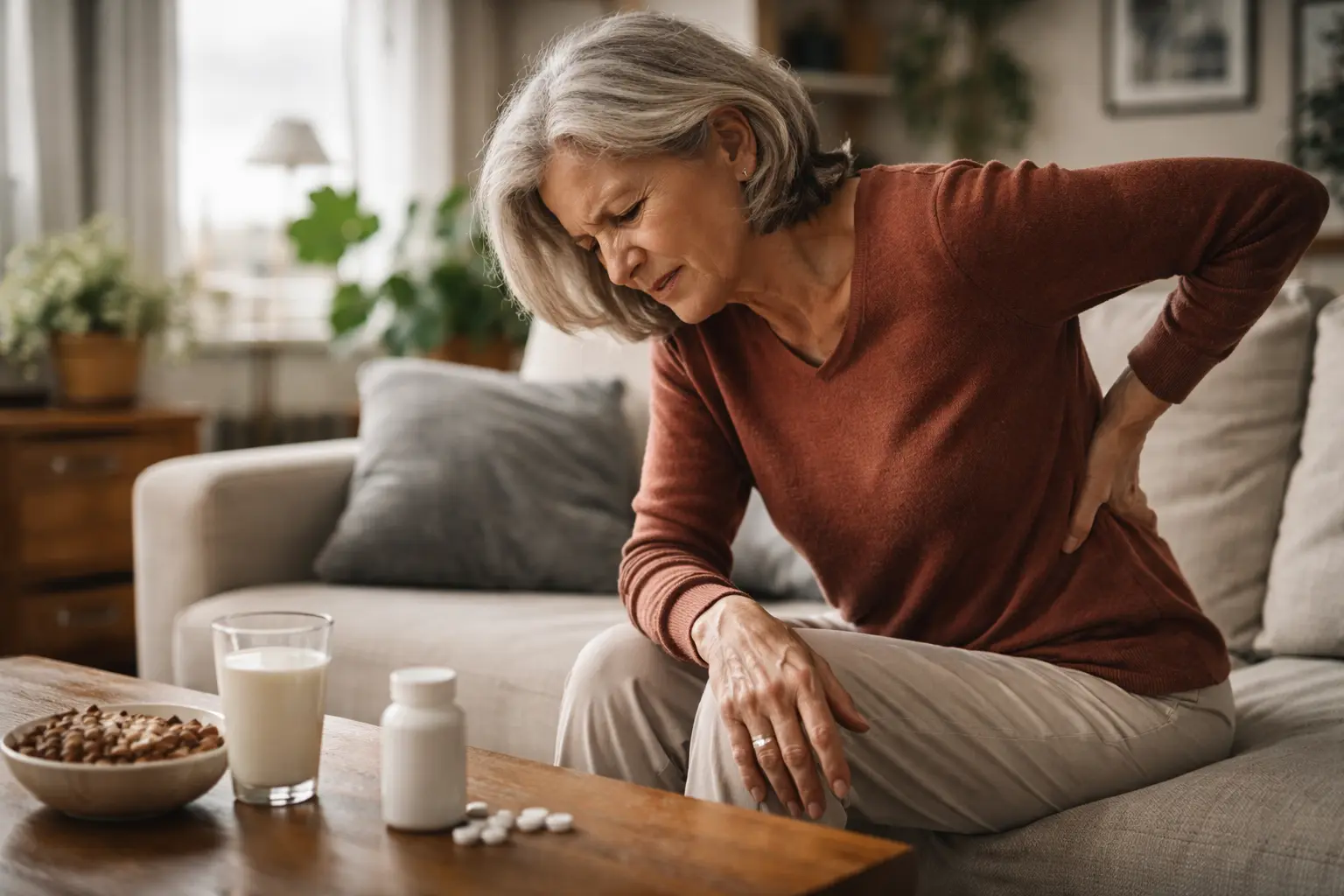
You’re noticing your bones feel more fragile, a fall that would have been nothing now leaves you bruised and scared, and you’re wondering if osteoporosis risk factors are already working against you – here’s what actually works to turn this around.
Understanding osteoporosis risk factors
Osteoporosis develops quietly, often without symptoms until a fracture happens. The risk factors behind it are multiple and interconnected. Age plays a major role because bone density naturally declines after age 30, accelerating significantly after 50, especially for women entering menopause. Genetics matter too – if your mother or grandmother had osteoporosis, your bones may follow a similar pattern. But here’s the important part: lifestyle factors are within your control. Poor nutrition lacking calcium and vitamin D weakens bone structure from the inside. Sedentary living means your bones don’t get the stress signals they need to stay strong. Smoking and excessive alcohol consumption actively damage bone-building cells. Consider Margaret, a 62-year-old who realized her family history of osteoporosis meant she needed to act now, not wait for a fracture. Understanding which factors apply to you is the first step toward prevention.
- Age-related bone loss accelerates after age 50, particularly in women going through menopause.
- Family history of osteoporosis significantly increases your likelihood of developing the condition.
- Lifestyle choices including poor nutrition, physical inactivity, smoking, and excessive alcohol directly contribute to bone density loss.
Assessing your personal risk profile
You cannot manage what you don’t measure. A healthcare provider can give you a clear picture of where you stand with bone health. They typically start with a DEXA scan, a painless imaging test that measures bone mineral density and compares it to healthy young bone. The results come back as a T-score that tells you whether your bones are normal, in the osteopenia range (weaker than normal but not yet osteoporosis), or in the osteoporosis range. Blood tests reveal vitamin D levels, calcium metabolism, and bone turnover markers. Your doctor will also ask detailed questions about your medical history, medications, diet, and activity level because some medications like corticosteroids accelerate bone loss. This assessment becomes your personal roadmap. A 68-year-old man might discover his vitamin D is critically low, explaining his bone weakness, and correcting this single factor could improve his scores significantly. Without this assessment, you’re essentially guessing at solutions.
📘 Fix your day in under 2 minuteschoose where to begin:
Exploring senior osteoporosis programs
Senior osteoporosis programs are structured interventions designed specifically for older adults dealing with bone health concerns. These programs typically combine three core elements. Nutrition counseling teaches you exactly how much calcium and vitamin D you need daily and which foods deliver these nutrients effectively – not just supplements, but real food sources like fortified milk, leafy greens, and fatty fish. Exercise routines focus on weight-bearing activities like walking, dancing, or light resistance training that stimulate bone cells to build stronger density. Fall prevention education covers home safety modifications, balance training, and movement techniques that reduce fracture risk if a fall does occur. Many programs also include education on medication options and how they work. A typical program might run 8 to 12 weeks with weekly sessions combining group classes and individual consultations. Some programs are offered through hospitals, senior centers, or specialized clinics. The structure and support make consistency easier than trying to manage everything alone.
Effectiveness of osteoporosis programs
Research consistently shows that well-designed senior osteoporosis programs deliver measurable results. Studies tracking participants over 12 to 24 months show improvements in bone density scores, reduced fracture rates, and better balance and mobility. One landmark study found that seniors in structured programs had 30 to 40 percent fewer fractures compared to those receiving standard care alone. However, results depend heavily on participation and adherence. Someone attending sessions sporadically and ignoring dietary recommendations will see minimal improvement. A 70-year-old woman who committed to a program, attended every session, incorporated the exercises into her daily routine, and adjusted her diet saw her T-score improve from the osteoporosis range to osteopenia within 18 months. The programs work because they address multiple risk factors simultaneously rather than relying on medication alone. Consistency matters more than intensity – showing up regularly and making small sustainable changes outperforms sporadic intense efforts.
Incorporating lifestyle changes
Programs provide the framework, but you provide the daily action. Dietary changes start with calcium intake – aim for 1000 to 1200 milligrams daily from sources like dairy, fortified plant-based alternatives, almonds, and leafy greens. Vitamin D is equally critical, requiring 800 to 1000 IU daily, which comes from fatty fish, egg yolks, and sunlight exposure or supplementation. Weight-bearing exercises don’t require a gym membership. Walking 30 minutes most days, dancing, gardening, or climbing stairs all work. Strength training twice weekly using light weights or resistance bands builds muscle that supports bones. Avoiding tobacco is non-negotiable because smoking directly reduces bone formation. Limiting alcohol to one drink daily for women and two for men protects bone health. A practical example: a 65-year-old man restructured his breakfast to include fortified cereal with milk and berries, added a 20-minute morning walk to his routine, and joined a water aerobics class twice weekly. These changes felt manageable because they integrated into his existing life rather than requiring complete overhaul.
Understanding osteoporosis risk factors and enrolling in senior osteoporosis programs can greatly benefit older adults in managing bone health effectively. Consistent participation and lifestyle changes are crucial for optimal results.
Can osteoporosis risk factors be reversed?
While certain risk factors can be managed through lifestyle changes and treatment, factors like age and genetics cannot be reversed. Early detection and proactive management are key to reducing the impact of osteoporosis on bone health.
How often should seniors participate in osteoporosis programs?
The frequency of participation in osteoporosis programs may vary depending on individual needs and program recommendations. It is advisable to follow the guidance of healthcare providers and engage regularly to maximize the benefits of the program.
Others also read:
Disclaimer: This article is for informational purposes only and is not a substitute for professional medical advice. Always consult a healthcare professional for personal guidance.
This guide has been prepared and reviewed by the GlobalHealthBeacon editorial team and reflects current medical research as of 2026. It provides structured, evidence-based information to support informed health decisions.
