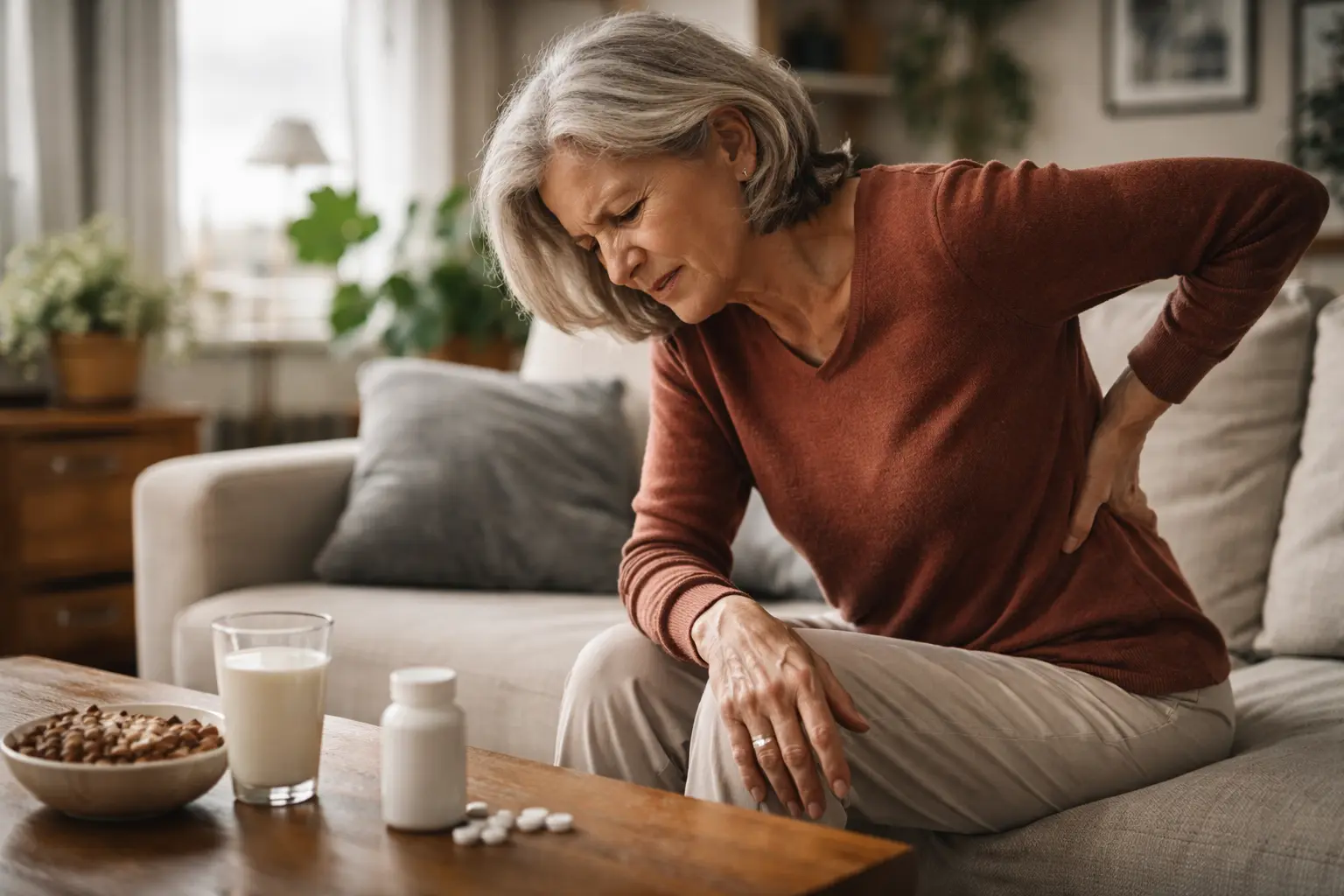
Your bones are quietly losing density every single year, and most people don’t realize it until they break a hip from a simple fall – but understanding osteoporosis risk factors now could change everything for your future.
Calcium and vitamin D intake
Think of calcium as the structural material your bones need to stay strong, and vitamin D as the foreman making sure that material gets properly installed. Without adequate calcium intake, your body literally pulls calcium from your bones to maintain blood levels, weakening them from the inside out. A typical senior needs around 1,000 to 1,200 milligrams of calcium daily, depending on age and gender. Vitamin D works by enhancing calcium absorption in your intestines – without enough vitamin D, your body can only absorb about 10 to 15 percent of dietary calcium, leaving the rest unused. Consider a 68-year-old woman named Margaret who switched from coffee with milk to calcium-fortified plant-based milk and added fatty fish twice weekly. Within two years of consistent intake, her bone density scan showed stabilization rather than the typical decline. Common mistakes include relying solely on supplements without food sources, taking calcium and iron supplements together which blocks absorption, or consuming excessive caffeine which can interfere with calcium retention. The science shows that calcium from food sources like yogurt, leafy greens, and fortified products works synergistically with vitamin D from sunlight exposure and dietary sources like salmon and egg yolks.
Physical activity and weight-bearing exercises
Your bones respond to stress and pressure by becoming denser and stronger – it’s called the Wolff’s Law principle in biomechanics. When you walk, dance, or lift weights, you’re sending signals to your bone cells that say ‘we need to be stronger here.’ A 72-year-old man named Robert started a simple routine of 30 minutes of brisk walking five days a week, combined with light resistance band work twice weekly. His follow-up bone scan showed improved density in his hip and spine, areas most vulnerable to fractures. Weight-bearing exercises work differently than swimming or cycling because they force your bones to support your body weight against gravity. The key is consistency and gradual progression – starting too intensely can lead to injury, while sporadic activity provides minimal benefit. Many seniors mistakenly think they’re too old to build bone strength, but research consistently shows that even modest increases in physical activity can slow bone loss and sometimes reverse it. Walking on varied terrain like trails engages stabilizer muscles better than flat surfaces. The sweet spot appears to be combining aerobic weight-bearing activity with resistance training at least two to three times weekly for optimal bone adaptation.
Maintaining a healthy lifestyle
Your lifestyle choices create an environment where bones either thrive or deteriorate. Smoking accelerates bone loss by interfering with calcium absorption and reducing blood flow to bones – smokers lose bone density 1.5 to 2 times faster than non-smokers. Excessive alcohol consumption, defined as more than two drinks daily for men or one for women, directly damages bone-forming cells and reduces vitamin D absorption. A balanced diet rich in fruits, vegetables, and lean proteins provides not just calcium and vitamin D, but also magnesium, phosphorus, and vitamin K – all essential for bone matrix formation. Consider a 65-year-old woman who reduced alcohol from daily wine to weekends only, quit smoking after 40 years, and added colorful vegetables to every meal. Her bone markers improved significantly within six months. Stress reduction through yoga, meditation, or tai chi isn’t just feel-good advice – chronic stress elevates cortisol which actively breaks down bone tissue. Sleep quality matters too because bone remodeling happens most actively during deep sleep. Common mistakes include thinking one healthy habit compensates for others, or believing that bone health is purely genetic and unchangeable. The reality is that lifestyle factors account for about 30 percent of bone density variation, meaning your daily choices genuinely matter.
- Consume a diet high in calcium and vitamin D-rich foods.
- Engage in weight-bearing exercises for at least 30 minutes a day.
- Adopt stress-reducing practices like yoga or meditation.
🔬 Science-backed benefits in 2 minuteschoose where to begin:
Regular bone density testing
A bone density test, called a DXA scan or DEXA scan, uses low-dose X-rays to measure how much mineral is packed into your bones. The results come back as a T-score that compares your bone density to a healthy 30-year-old’s bones. A score of negative 1 or higher is considered normal, between negative 1 and negative 2.5 is osteopenia (low bone mass), and below negative 2.5 indicates osteoporosis. Most guidelines recommend baseline testing for women at age 65 and men at age 70, though earlier screening may be warranted if you have risk factors. A 70-year-old man discovered through routine screening that he had osteopenia in his hip, prompting him to increase exercise and dietary calcium before the condition progressed to osteoporosis. The test takes about 10 to 30 minutes and involves no pain or radiation exposure comparable to a chest X-ray. Regular follow-up testing, typically every one to two years, helps track whether your interventions are working or if medication adjustments are needed. Many people skip testing because they feel fine – but bone loss happens silently without symptoms until a fracture occurs. Early detection allows for preventive action before serious damage develops. Your healthcare provider uses test results to calculate your 10-year fracture risk and recommend personalized interventions.
Medication and supplements
When lifestyle changes alone aren’t sufficient, medications called bisphosphonates work by slowing the rate at which bone is broken down, essentially hitting the brakes on bone loss. Common medications include alendronate, risedronate, and zoledronic acid, each with different dosing schedules and administration methods. A 75-year-old woman with osteoporosis started bisphosphonate therapy combined with calcium and vitamin D supplementation, and her bone density stabilized after three years of progressive decline. These medications work best when combined with adequate calcium and vitamin D intake because they slow breakdown but don’t build new bone without proper building blocks. Other medication classes like hormone-related therapy, denosumab, or teriparatide work through different mechanisms and may be recommended based on individual circumstances. Supplements beyond basic calcium and vitamin D include magnesium, vitamin K2, and trace minerals, though research on their independent benefit is mixed. Common mistakes include taking medications inconsistently, not following specific administration instructions which can reduce effectiveness, or assuming medication alone eliminates the need for exercise and nutrition. Side effects are generally mild but can include gastrointestinal upset or jaw problems with certain medications. Your healthcare provider monitors your response through periodic bone density testing and blood work to ensure the chosen approach is working effectively for your specific situation.
Nutrition counseling and lifestyle modifications
Working with a registered dietitian who understands bone health can reveal hidden dietary gaps and create a personalized eating plan that fits your preferences and limitations. Many seniors discover they’re not absorbing nutrients properly due to medications or digestive changes, and a professional can identify and address these issues. A 68-year-old woman with lactose intolerance worked with a nutritionist to find alternative calcium sources like fortified non-dairy milk, leafy greens, and canned fish with bones, transforming her diet without discomfort. Fall prevention strategies are equally important because even strong bones can fracture from a bad fall – removing tripping hazards, improving lighting, installing grab bars, and addressing balance issues through exercise prevents the fractures that osteoporosis makes more serious. Vision checks, hearing assessments, and medication reviews can identify factors that increase fall risk. Lifestyle modifications also include wearing appropriate footwear with good grip, staying physically active to maintain balance and muscle strength, and limiting sedative medications when possible. Many seniors underestimate how much their daily habits compound over time – small consistent changes in nutrition, activity, and safety practices create measurable improvements in bone health and fracture risk. A comprehensive approach addressing nutrition, exercise, fall prevention, and medical management together produces better outcomes than any single intervention alone.
Understanding osteoporosis risk factors naturally affecting senior bone density involves prioritizing calcium and vitamin D intake, engaging in weight-bearing exercises, maintaining a healthy lifestyle, undergoing regular bone density testing, considering medications or supplements, and seeking nutritional and lifestyle guidance.
How can I improve my bone density naturally?
You can improve your bone density naturally by consuming a diet rich in calcium and vitamin D, engaging in weight-bearing exercises, maintaining a healthy lifestyle, and seeking professional guidance.
What are the main risk factors for osteoporosis?
The main risk factors for osteoporosis include age, gender, family history, hormonal imbalances, inadequate calcium and vitamin D intake, sedentary lifestyle, smoking, excessive alcohol consumption, and certain medications.
Others also read:
Disclaimer: This article is for informational purposes only and is not a substitute for professional medical advice. Always consult a healthcare professional for personal guidance.
This article has been prepared and reviewed by the GlobalHealthBeacon editorial team and is based on current medical research and published scientific literature available in 2026. It provides structured, evidence-based information to support informed health decisions.
