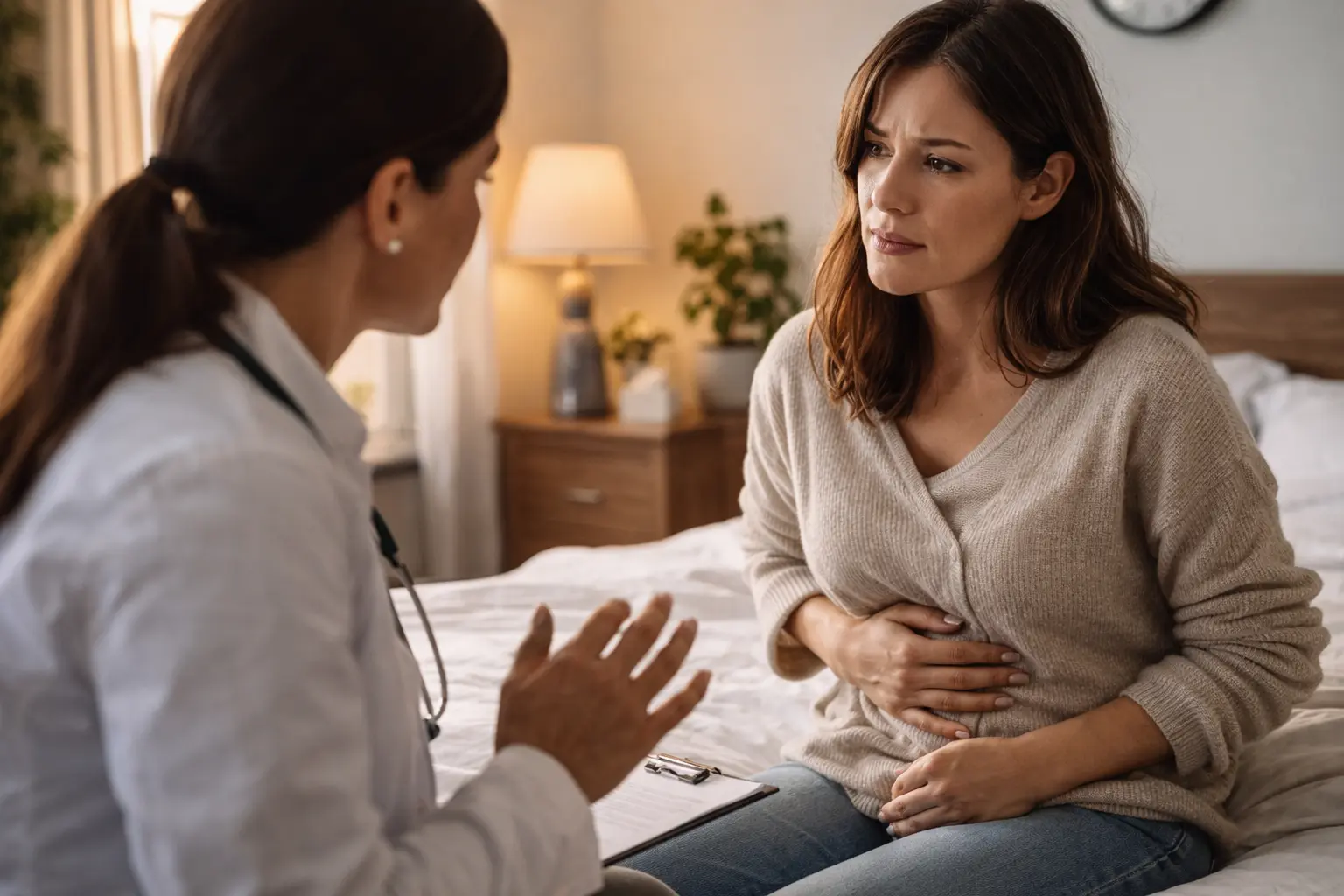
Your period vanishes for months, you’re breaking out like a teenager, and somehow you’re gaining weight despite doing everything right – welcome to PCOS symptoms explained, the hormonal disorder affecting millions of women that nobody talks about until it’s disrupting your life.
What is PCOS?
PCOS, or Polycystic Ovary Syndrome, is a common hormonal disorder that affects women during their reproductive years, disrupting the delicate balance your body relies on to function smoothly. At its core, PCOS involves your ovaries producing higher-than-normal levels of male hormones, which throws off your entire endocrine system. Imagine your ovaries as a finely tuned orchestra, but instead of playing in harmony, the instruments are out of sync. Women with PCOS develop multiple small fluid-filled sacs called follicles on their ovaries, which is where the condition gets its name. The disorder doesn’t just affect your ovaries in isolation – it ripples through your metabolism, your skin, your hair growth patterns, and your fertility. Some women discover they have PCOS when trying to conceive and learning their cycles are unpredictable. Others notice it through physical changes like unexpected acne or stubborn weight that won’t budge with diet and exercise alone.
- Irregular menstrual cycles that may skip months or occur unpredictably
- Elevated androgen levels causing excess hair growth and acne
- Multiple small cysts visible on ovaries during ultrasound imaging
Symptoms of PCOS
PCOS symptoms vary widely from woman to woman, which is why many go undiagnosed for years, attributing their struggles to other causes. The most recognizable sign is irregular periods – some women menstruate every few months, while others skip periods for extended stretches, creating uncertainty around their cycle. Weight gain is another hallmark symptom, often concentrated around the abdomen, and frustratingly resistant to standard diet and exercise approaches. Many women report acne that persists into adulthood, particularly along the jawline and chin, along with oily skin that seems impossible to manage. Excess hair growth, called hirsutism, appears on the face, chest, back, and abdomen due to elevated androgens. Conversely, some women experience hair thinning or female pattern baldness on their scalp, which can be emotionally distressing. Beyond physical symptoms, mood swings, anxiety, and depression are common, partly due to hormonal fluctuations and partly due to the stress of managing a chronic condition. Sleep disturbances and fatigue plague many women with PCOS, making daily life feel exhausting even when you’re getting adequate rest.
📘 Fix your day in under 2 minuteschoose where to begin:
Diagnosis and treatment
Getting diagnosed with PCOS requires a multi-step approach because no single test definitively confirms it. Your doctor typically starts with a thorough physical examination, checking for signs like excess hair growth, acne, and weight distribution patterns. Blood tests measure your hormone levels, specifically looking at testosterone, LH (luteinizing hormone), and FSH (follicle-stimulating hormone) ratios, which reveal whether your hormones are imbalanced. A pelvic ultrasound allows your doctor to visualize your ovaries and count the follicles present, though having cysts alone doesn’t confirm PCOS without other symptoms. Your doctor may also test your fasting insulin and glucose levels to assess insulin resistance, which affects up to 70 percent of women with PCOS. Once diagnosed, treatment is highly personalized based on your specific symptoms and life goals. If you’re seeking pregnancy, your doctor might recommend fertility medications like metformin or clomiphene. If managing symptoms is your priority, birth control pills can regulate your cycle and reduce androgen levels. Lifestyle modifications form the foundation of any treatment plan, regardless of medication choices.
Managing PCOS naturally
Managing PCOS without relying solely on medication starts with understanding that your body responds differently to diet and exercise than it might in women without the condition. Regular physical activity, particularly a combination of cardio and strength training, helps improve insulin sensitivity and can reduce androgen levels over time. A balanced diet focused on low glycemic index foods helps stabilize blood sugar, which is crucial since insulin resistance is central to PCOS. Many women find success with anti-inflammatory eating patterns that emphasize whole grains, lean proteins, healthy fats, and abundant vegetables while limiting processed foods and refined sugars. Stress management becomes essential because cortisol, your stress hormone, can worsen PCOS symptoms and trigger weight gain. Practices like yoga, meditation, journaling, or simply spending time in nature help regulate your nervous system. Sleep quality matters tremendously – aim for seven to nine hours nightly, as poor sleep worsens insulin resistance and hormonal imbalance. Some women explore herbal supplements like inositol, spearmint tea, or saw palmetto, though discussing these with your healthcare provider ensures they won’t interact with any medications you’re taking.
Seeking support and resources
Living with PCOS can feel isolating, especially when you’re navigating symptoms that others around you don’t understand or take seriously. Connecting with support groups, whether in-person or online, reminds you that you’re not alone and that your struggles are valid. Many women find immense value in communities where they can share experiences, swap management strategies, and receive encouragement from others who genuinely understand what they’re facing. Healthcare providers who specialize in reproductive endocrinology or women’s health bring expertise specifically tailored to PCOS management and can offer treatment options beyond what a general practitioner might suggest. Educational resources from reputable organizations help you become an informed advocate for your own health, enabling you to ask better questions and make decisions aligned with your values and goals. Consider working with a registered dietitian experienced in PCOS nutrition, as personalized dietary guidance often yields better results than generic advice. Mental health support through therapy or counseling addresses the emotional toll of managing a chronic condition, which is just as important as managing physical symptoms. Empowering yourself through knowledge and connection transforms PCOS from something that happens to you into something you actively manage and control.
PCOS, or Polycystic Ovary Syndrome, is a common hormonal disorder characterized by irregular periods, elevated androgen levels, and ovarian cysts that affects millions of women during their reproductive years. Understanding the symptoms, diagnosis, and treatment options empowers you to manage PCOS effectively through a combination of lifestyle modifications, medical interventions, and supportive resources that address both physical and emotional aspects of the condition.
Can PCOS be cured?
While there is no cure for PCOS, managing symptoms through lifestyle changes, medication, and supportive therapies can help alleviate symptoms and improve overall health and well-being.
Is PCOS genetic?
There is evidence to suggest that PCOS has a genetic component. Women with a family history of PCOS may have a higher risk of developing the condition.
Others also read:
Disclaimer: This article is for informational purposes only and is not a substitute for professional medical advice. Always consult a healthcare professional for personal guidance.
This guide has been prepared and reviewed by the GlobalHealthBeacon editorial team and reflects current medical research as of 2026. It provides structured, evidence-based information to support informed health decisions.
