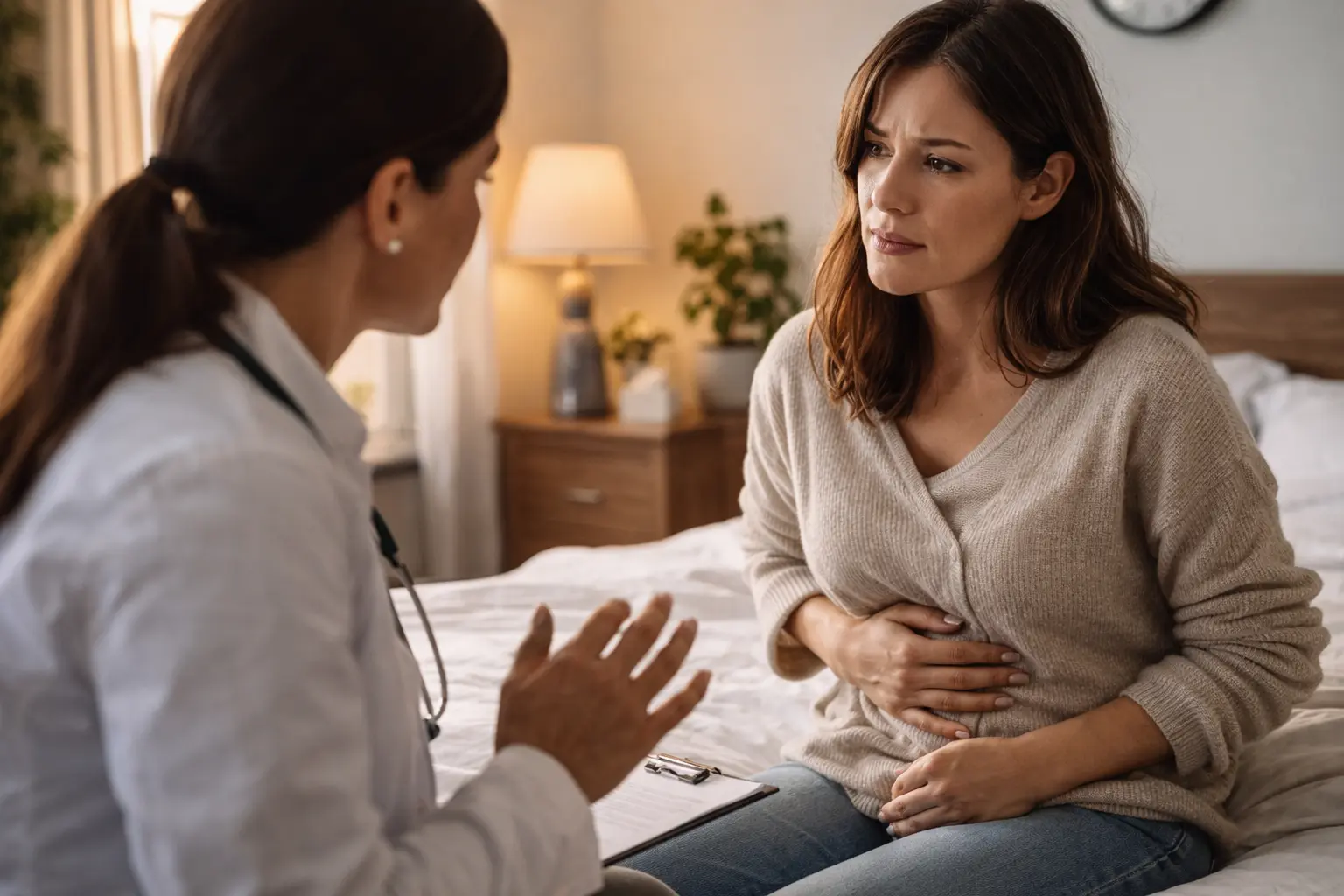
You’re staring at the scale again, watching the numbers climb despite eating better and hitting the gym, while your period decides to vanish for three months straight, and suddenly your face breaks out like you’re a teenager again – welcome to pcos symptoms explained, the reality that millions of women navigate every single day.
Weight gain and metabolism
Picture this: you’re doing everything right. You meal prep on Sundays, you hit the gym four times a week, you’ve cut out processed foods. Yet somehow, the weight keeps creeping on, especially around your belly and sides. This is the frustrating reality many women with PCOS face. The condition disrupts how your body processes insulin, making weight gain feel almost inevitable and weight loss feel nearly impossible. One woman described it as her body working against her, storing fat with an efficiency that defies her efforts. Beyond just the number on the scale, this metabolic shift can leave you feeling exhausted and defeated. You might notice your clothes fitting differently, your energy dipping lower, and a creeping sense of helplessness. Understanding that PCOS affects insulin resistance helps explain why traditional diet and exercise advice sometimes falls flat for you.
- Unexplained weight gain
- Difficulty losing weight
- Increased risk of insulin resistance
Menstrual irregularities
Imagine never knowing when your period will arrive. You might skip two months, then have a heavy, painful period that lasts for ten days straight. Some women describe the unpredictability as emotionally draining – you can’t plan ahead, can’t trust your body’s signals, can’t even stock the right supplies because you genuinely don’t know when you’ll need them. PCOS plays havoc with your hormones, making ovulation irregular or sometimes stopping it altogether. This unpredictability doesn’t just affect your calendar; it affects your confidence, your relationships, and your sense of control over your own body. One woman shared how she’d cancel plans because her period showed up unexpectedly, or how she’d feel anxious during important events, never knowing if she’d be dealing with cramps or heavy bleeding. The emotional toll of this uncertainty often gets overlooked, but it’s real and it matters.
💬 Ready to feel better in 2 minutes?choose where to begin:
Emotional rollercoaster
The hormonal chaos of PCOS doesn’t just affect your body – it hijacks your emotions. You might feel fine one moment and overwhelmingly anxious the next. Some days you’re snapping at people you love over small things, other days you’re crying at commercials or feeling a heaviness that makes getting out of bed feel impossible. Many women with PCOS report struggling with depression and anxiety that feels disconnected from their circumstances – you might have a good day planned but feel unable to enjoy it because of an overwhelming fog. The fluctuating androgens and insulin levels create a neurochemical storm that impacts your mood regulation. One woman described it as her emotions being on a dimmer switch that she can’t control, constantly adjusting without her input. These mood shifts can strain relationships, affect work performance, and leave you questioning your own mental stability. Recognizing that these emotional challenges are tied to PCOS, not personal weakness, can be genuinely liberating.
Hirsutism and acne
You’re plucking hairs from your chin again, or noticing dark fuzz on your upper lip, chest, or back that wasn’t there before. Meanwhile, your skin is breaking out in places you thought you’d left behind in your teenage years. These visible symptoms of PCOS hit differently because they’re impossible to hide. One woman shared how she started avoiding mirrors, how she’d cancel social plans because she didn’t feel confident, how she’d spend hours researching hair removal options only to feel frustrated by the temporary results. The excess androgens in PCOS trigger both unwanted hair growth and stubborn acne that resists typical treatments. Beyond the physical irritation, these changes can deeply affect how you see yourself. You might feel self-conscious in intimate moments, avoid certain clothes, or spend money on treatments that don’t quite work. The psychological impact of these visible changes is just as real as the physical ones, and acknowledging that struggle is the first step toward finding solutions that work for your unique situation.
PCOS symptoms, ranging from weight gain and menstrual irregularities to emotional challenges and unwanted hair growth, significantly impact women’s daily lives. Understanding and managing these symptoms is crucial for women living with PCOS.
How does PCOS affect fertility?
PCOS can disrupt ovulation, making it difficult for women to conceive. However, with proper management and treatment, many women with PCOS can conceive and have successful pregnancies.
Can lifestyle changes help alleviate PCOS symptoms?
Healthy lifestyle modifications, such as maintaining a balanced diet, regular exercise, and stress management, can help improve PCOS symptoms. Consulting with a healthcare provider for personalized guidance is essential.
Others also read:
Disclaimer: This article is for informational purposes only and is not a substitute for professional medical advice. Always consult a healthcare professional for personal guidance.
This article presents an experience-based perspective and has been reviewed by the GlobalHealthBeacon editorial team in 2026. It provides structured, evidence-based information to support informed health decisions.
