Your gums are bleeding when you brush, your breath feels off, and you’re wondering if this is just normal aging or something serious that needs a periodontist explained by someone who actually gets it.
Understanding periodontal disease
Periodontal disease, commonly called gum disease, affects millions of women and often develops so gradually that many don’t realize it’s happening until symptoms become noticeable. The condition starts when plaque, a sticky film of bacteria, accumulates along the gum line and hardens into tartar. Your immune system responds to this bacterial invasion by triggering inflammation, which causes gums to swell, bleed during brushing, and eventually pull away from the tooth surface. This separation creates pockets between teeth and gums where bacteria thrive in an oxygen-free environment. Over time, these deepening pockets can destroy the bone that anchors your teeth. Consider Sarah, a 52-year-old woman who noticed her gums receding slightly but dismissed it as normal aging. Within two years, without intervention, she developed moderate periodontal disease affecting multiple teeth. The key insight here is that periodontal disease progresses silently, making early detection through regular dental visits essential for women at any age.
The role of a periodontist
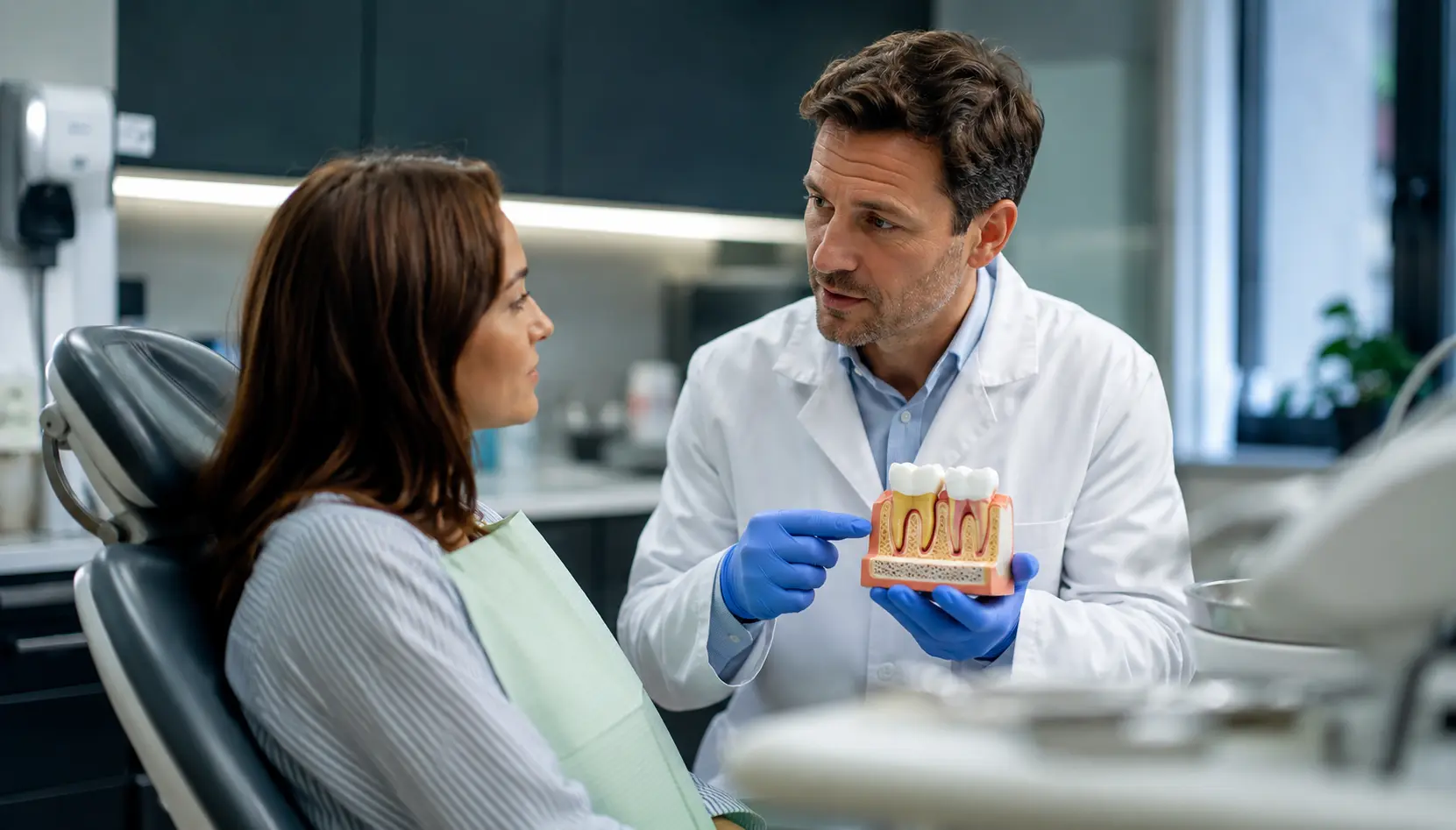
A periodontist is a dental specialist who has completed additional years of training beyond general dentistry, focusing specifically on the tissues supporting your teeth. These experts diagnose and treat gum disease, manage bone loss, and perform complex procedures that general dentists may not handle. Periodontists understand the intricate relationship between gum health and overall health, recognizing that untreated periodontal disease can influence systemic conditions. They use advanced diagnostic tools like digital imaging and periodontal probing to assess disease severity. For women, periodontists are particularly valuable because they understand how hormonal changes during menopause, pregnancy, or while taking certain medications can affect gum health. They can also evaluate whether your gum recession is purely periodontal or related to aggressive brushing habits. Beyond treatment, they serve as educators, helping you understand why your gums are struggling and what specific changes will make the biggest difference in your individual situation.
Effective periodontal treatment approach
A successful periodontal treatment journey follows a structured pathway that begins with thorough assessment and continues through active treatment and long-term maintenance. First, your periodontist conducts a comprehensive examination including pocket depth measurements, bleeding assessments, and imaging to determine disease extent and progression. This diagnostic phase is critical because it reveals whether you have gingivitis (reversible gum inflammation) or periodontitis (irreversible bone loss). Next, your periodontist develops a personalized treatment plan tailored to your specific disease stage, overall health, and lifestyle factors. This plan might include non-surgical approaches as the first line, with surgical options reserved for cases where deeper intervention is needed. Finally, regular maintenance visits typically scheduled every three to four months become your insurance policy against recurrence. Many women find this structured approach reassuring because it removes guesswork and provides clear milestones for improvement. The timeline varies, but most women see meaningful improvement within three to six months of consistent treatment and home care.
- Diagnosis through comprehensive examination
- Personalized treatment plan formulation
- Regular follow-up visits for maintenance
🔬 Science-backed benefits in 2 minuteschoose where to begin:
Key components of periodontal therapy
Periodontal therapy encompasses both non-surgical and surgical approaches, each serving specific purposes in restoring gum health. Non-surgical treatments like scaling and root planing involve removing plaque and tartar from tooth surfaces and below the gum line, then smoothing root surfaces to discourage bacterial reattachment. This foundational treatment works well for early to moderate disease and often produces surprising improvements in gum health and pocket depth reduction. For advanced cases, surgical interventions become necessary. Flap surgery allows your periodontist to access deeper areas and remove calculus that non-surgical methods cannot reach. Bone grafts use biocompatible materials to rebuild bone lost to disease, potentially restoring some structural support. Gum grafts address recession by taking healthy tissue from one area and placing it where gums have receded. Newer regenerative techniques use growth factors and membrane barriers to encourage your body’s natural healing processes. Women often appreciate learning that these procedures have become increasingly refined, with faster healing times and more predictable outcomes than in previous decades.
The importance of post-treatment care
The period after periodontal treatment is absolutely critical because it determines whether your investment in treatment produces lasting results or whether disease returns. Post-treatment success depends on meticulous home care, which means brushing gently twice daily with a soft-bristled brush, flossing daily, and using any prescribed antimicrobial rinses. Many women underestimate how their technique matters, not just their effort. Aggressive brushing can actually damage gums and cause recession, while gentle circular motions protect tissue while removing plaque effectively. Regular professional cleanings every three to four months help remove tartar buildup that home care cannot address. Equally important is addressing lifestyle factors like smoking, which dramatically impairs healing and increases disease recurrence risk. Stress management, adequate sleep, and a diet rich in vitamin C and calcium support gum healing. Women who view post-treatment care as an ongoing partnership with their periodontist, rather than a temporary phase, experience the best long-term outcomes and maintain their natural teeth well into their later years.
Future insights in periodontal care
Periodontal research is advancing rapidly, offering women more effective and comfortable treatment options than ever before. Laser therapy uses focused light energy to remove diseased tissue and stimulate healing with minimal trauma, reducing bleeding and discomfort compared to traditional surgical approaches. Regenerative techniques employing growth factors and stem cell technology show promise in actually rebuilding lost bone and gum tissue rather than simply stopping disease progression. Antimicrobial peptides and probiotics are being investigated as ways to shift the oral microbiome away from disease-causing bacteria toward beneficial species. Digital technology allows periodontists to create precise three-dimensional models of your mouth, enabling more accurate treatment planning and patient education. Telemedicine consultations make expert periodontal care more accessible to women in rural or underserved areas. Perhaps most exciting for women is ongoing research into how hormonal factors influence periodontal disease, potentially leading to personalized treatment protocols based on menopausal status or other hormonal considerations. These innovations suggest that periodontal disease, while serious, is increasingly manageable with science-backed approaches.
Periodontal disease represents a significant but manageable oral health challenge that affects many women at different life stages. Understanding what a periodontist does, recognizing early warning signs like bleeding gums or recession, and committing to both professional treatment and diligent home care form the foundation of successful outcomes. The scientific evidence is clear: early intervention, personalized treatment plans, and consistent maintenance preserve natural teeth and prevent the complications associated with untreated gum disease. Women who take a proactive, informed approach to periodontal health protect not only their smiles but also their overall quality of life.
How can one prevent periodontal disease?
Prevention centers on consistent oral hygiene and lifestyle choices. Brush gently twice daily using a soft-bristled brush and proper technique, floss daily to reach areas your brush cannot, and schedule professional cleanings every six months or as recommended. Avoid smoking, which significantly increases disease risk and impairs healing. Manage stress through exercise or meditation, as stress suppresses immune function. Eat a balanced diet rich in vitamins C and D, calcium, and antioxidants to support gum tissue strength. For women, be aware that hormonal changes during menopause or while taking certain medications can increase gum sensitivity, so inform your dentist about these changes. Regular dental check-ups allow early detection of problems before they progress.
Are there any alternative treatments for periodontal disease?
While conventional periodontal treatments remain the gold standard supported by extensive research, some complementary approaches have been explored. Probiotics may help shift oral bacteria toward beneficial species, though evidence is still emerging. Herbal mouthwashes containing compounds like chlorhexidine or essential oils show antimicrobial properties, but they work best alongside conventional care, not as replacements. Acupuncture has been studied for its potential to reduce inflammation and support healing, though robust clinical evidence remains limited. Nutritional supplementation with vitamin C, coenzyme Q10, and omega-3 fatty acids may support gum health as adjuncts to standard treatment. The important distinction is that alternative approaches may complement professional periodontal care but cannot substitute for scaling, root planing, or surgical intervention when needed. Always discuss any complementary treatments with your periodontist to ensure they do not interfere with your primary treatment plan.
Others also read:
Disclaimer: This article is for informational purposes only and is not a substitute for professional medical advice. Always consult a healthcare professional for personal guidance.
This article has been prepared and reviewed by the GlobalHealthBeacon editorial team and is based on current medical research and published scientific literature available in 2026. It provides structured, evidence-based information to support informed health decisions.
