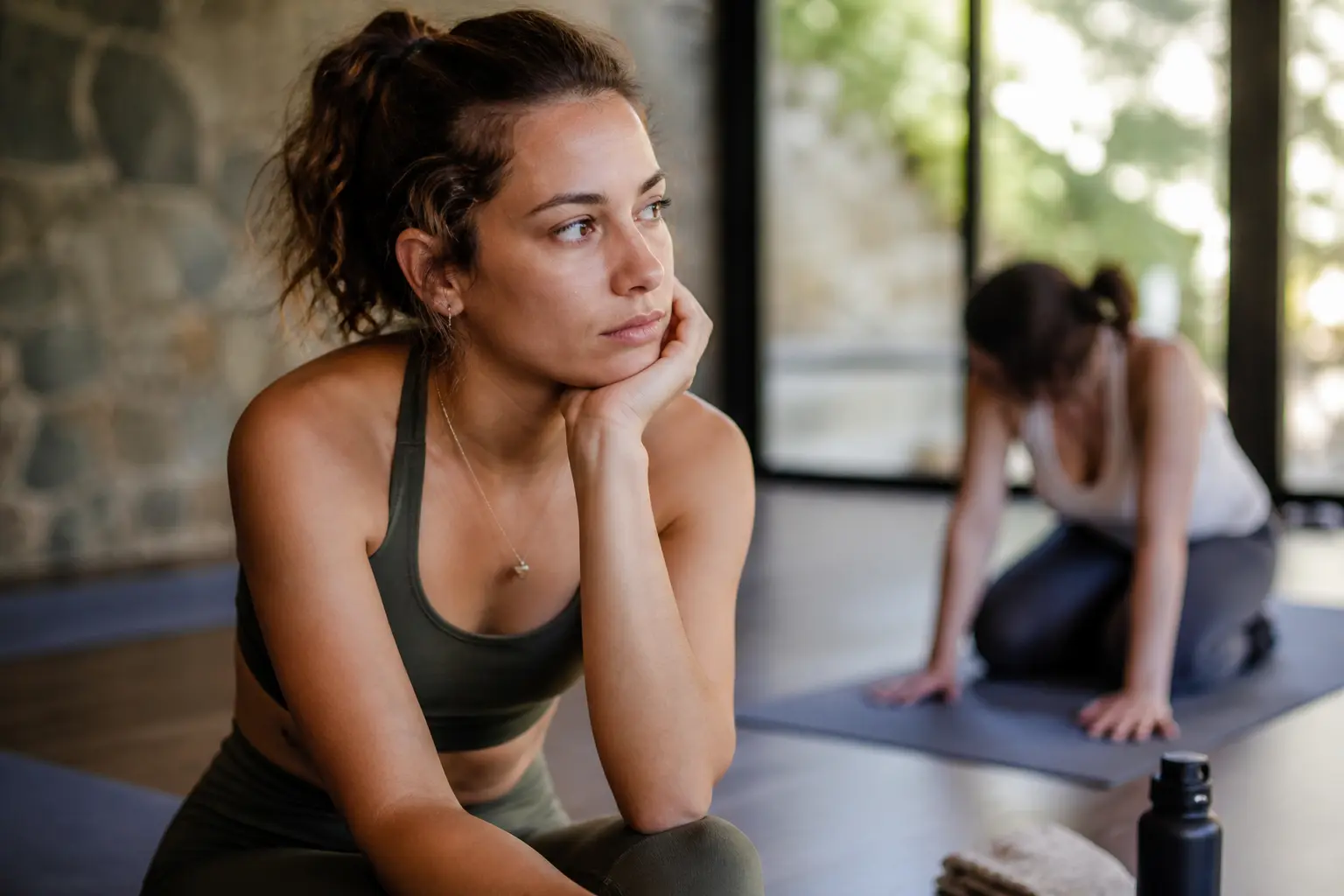
Your shoulders are tight, your sleep is shot, and you can feel that constant hum of anxiety underneath everything you do – that’s cortisol talking, and you’re wondering if pilates versus yoga cortisol management is finally the answer to getting your body back under control.
Understanding cortisol levels
Cortisol is a steroid hormone produced by your adrenal glands, small walnut-sized structures sitting atop your kidneys. When you encounter stress, whether it’s a difficult conversation with a family member or worry about health, your body releases cortisol as part of the fight-or-flight response. This ancient survival mechanism was designed to help you escape physical danger, but in modern life, it activates for everyday stressors. While cortisol is essential in appropriate amounts, chronically elevated levels can accumulate over months and years. Research indicates that sustained high cortisol contributes to weight gain around the midsection, disrupted sleep patterns, weakened immune function, and increased anxiety. For seniors, understanding this hormone becomes particularly important because cortisol sensitivity can increase with age, making stress management more critical than ever.
Pilates approach to stress management
Pilates is a structured exercise method emphasizing controlled, deliberate movements combined with focused breathing patterns. Developed over a century ago, it targets deep core muscles while promoting body awareness and mental presence. When you practice Pilates, you’re engaging in what researchers call mindful movement – your attention stays anchored to each motion, each breath, which naturally quiets the racing thoughts that fuel stress. The low-impact nature makes it accessible for seniors with joint concerns. Studies examining Pilates participants show measurable reductions in cortisol levels after consistent practice. Beyond hormonal changes, practitioners report feeling more grounded and less reactive to daily frustrations. For example, a 68-year-old dealing with retirement anxiety might find that the repetitive, controlled nature of Pilates movements creates a meditative state, allowing the nervous system to downshift from high alert.
Yoga for stress relief
Yoga integrates physical postures, called asanas, with deliberate breathing techniques and meditation into a comprehensive practice. Unlike Pilates, yoga explicitly incorporates spiritual and philosophical elements that many practitioners find deeply calming. The breathing techniques, particularly slow exhales, activate your parasympathetic nervous system – essentially telling your body it’s safe to relax. Research published in peer-reviewed journals documents that regular yoga practice lowers cortisol levels, reduces blood pressure, and improves heart rate variability. The practice also enhances your body’s ability to recover from stress more quickly. Consider a 72-year-old widow who feels isolated and anxious. Through consistent yoga practice, she not only experiences physical relaxation but also connects with a community of like-minded practitioners, addressing both the physiological and emotional dimensions of her stress.
- Start by incorporating yoga into your weekly routine for at least 30 minutes per session, aiming for three to four sessions weekly to allow your nervous system time to adapt and respond to the practice.
- Focus on mindful breathing exercises such as alternate nostril breathing or extended exhale techniques, which directly signal your body to shift from stress mode into relaxation mode.
- Practice yoga poses that target common tension areas in seniors, including the neck, shoulders, lower back, and hips, where stress often accumulates and creates physical discomfort.
- Consider attending a structured yoga class designed for your age group rather than practicing alone, as community connection and proper form guidance from an instructor enhance both safety and stress-relief benefits.
🔬 Science-backed benefits in 2 minuteschoose where to begin:
Comparing pilates and yoga
Both practices reduce cortisol and promote relaxation, yet they approach stress management differently. Pilates emphasizes precision, core strength, and biomechanical alignment through repetitive, controlled movements. It appeals to people who prefer structure and measurable progress. Yoga, conversely, integrates mindfulness, breathing, and often spiritual elements, appealing to those seeking a more holistic mind-body-spirit connection. For seniors, the choice often depends on personal preference and physical limitations. Someone with arthritis might prefer Pilates’ controlled environment, while someone seeking community and philosophical grounding might gravitate toward yoga. Neither is objectively superior; rather, they offer different pathways to the same destination: a calmer nervous system and lower stress hormones. Many health professionals recommend trying both to discover which resonates with your body and temperament.
Scientific insights on stress reduction
Peer-reviewed research consistently demonstrates that both Pilates and yoga reduce cortisol levels, improve mood regulation, and enhance overall well-being markers. Studies measuring cortisol through saliva samples show measurable decreases after eight to twelve weeks of consistent practice. Brain imaging studies reveal that both practices increase activity in areas associated with emotional regulation and decrease activity in regions linked to anxiety. The mechanisms differ slightly: Pilates works primarily through focused attention and controlled movement, while yoga combines these with breathing techniques that directly influence the nervous system. For seniors specifically, research shows these practices also improve balance, reduce fall risk, and enhance cognitive function. The evidence suggests that consistency matters more than intensity – regular moderate practice outperforms sporadic intense sessions in producing lasting cortisol reduction.
Final thoughts on stress management
Whether you choose Pilates or yoga, the most important factor is finding a practice you’ll actually maintain. Stress management isn’t about perfection or choosing the objectively best option; it’s about creating a sustainable habit that fits your life. Many seniors discover that alternating between both practices provides variety while capturing the benefits of each approach. Listen to your body’s signals – if something causes pain or discomfort, modify or skip it. Your nervous system responds to consistency more than intensity, so even twenty minutes twice weekly can produce meaningful results over time. The real power lies not in the practice itself but in your commitment to showing up regularly and giving your body permission to relax.
Pilates and yoga both offer scientifically supported pathways for managing stress by reducing cortisol levels and activating relaxation responses. For seniors, both practices provide accessible, low-impact options that improve physical well-being while calming the nervous system. The choice between them depends on personal preference, physical needs, and what feels sustainable long-term.
Which is better for stress management: Pilates or Yoga?
Both are equally effective for reducing cortisol and managing stress, but they work differently. Pilates emphasizes controlled movement and core strength, while yoga integrates breathing and mindfulness. The better choice is whichever one you’ll practice consistently and enjoy most.
How often should I practice Pilates or Yoga for stress relief?
Aim for three to four sessions weekly at thirty minutes each for optimal stress relief benefits. However, even two sessions weekly can produce measurable cortisol reduction. Consistency matters more than duration, so regular moderate practice beats sporadic intense sessions.
Others also read:
Disclaimer: This article is for informational purposes only and is not a substitute for professional medical advice. Always consult a healthcare professional for personal guidance.
This article has been prepared and reviewed by the GlobalHealthBeacon editorial team and is based on current medical research and published scientific literature available in 2026. It provides structured, evidence-based information to support informed health decisions.
