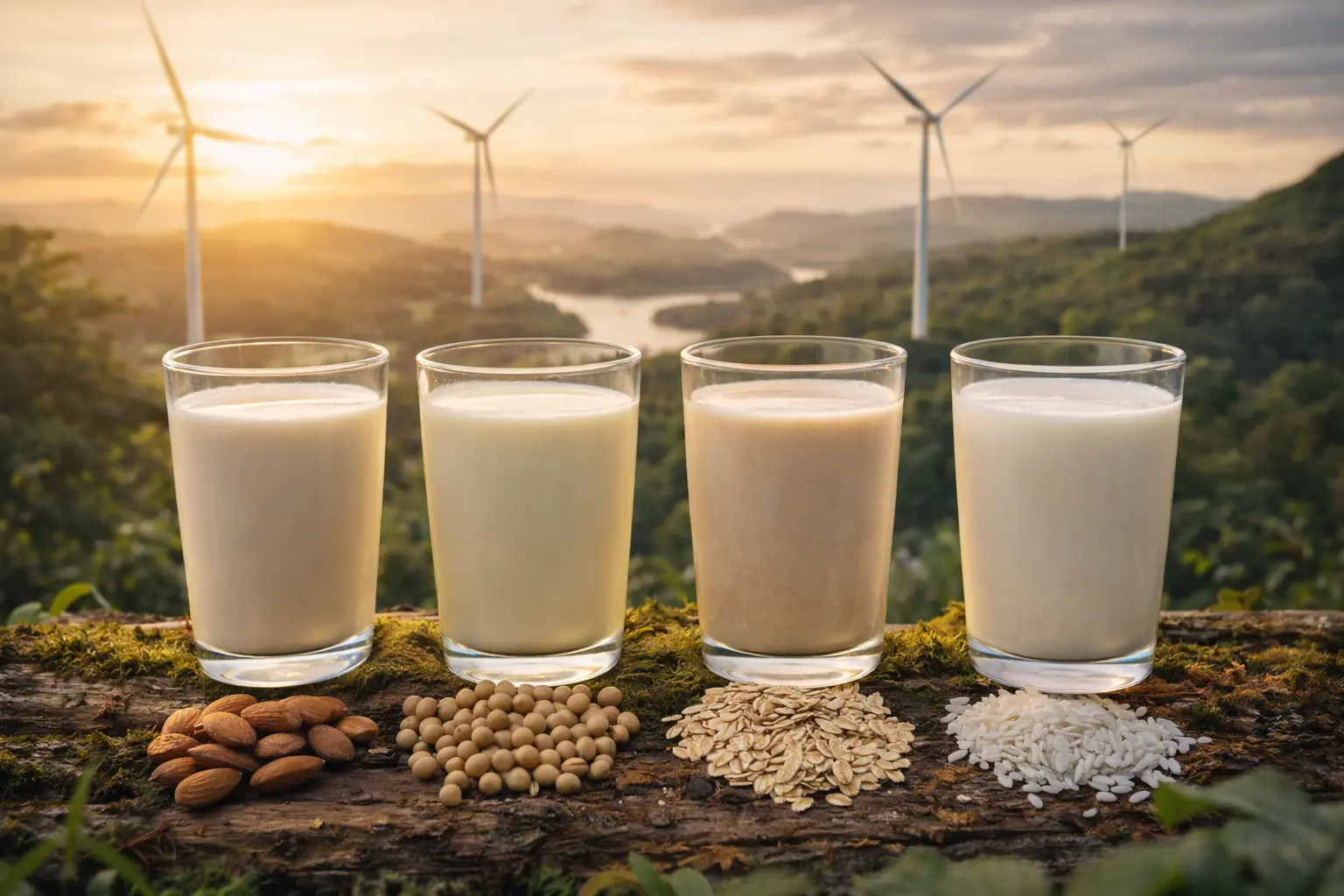
If you’re tired of feeling guilty about what’s in your glass while wondering if plant based milk environmental impact is actually better, or if you’re experiencing bloating and hormonal chaos from dairy, this is the reality check you need.
Nutritional value of plant-based milk
When you pour a glass of plant-based milk, you’re getting far more than just a dairy-free swap. Modern plant-based options are fortified with calcium, vitamin D, vitamin B12, and protein to match what you’d find in cow’s milk. Consider Sarah, a 52-year-old woman navigating perimenopause who switched to fortified soy milk and found her calcium intake remained consistent with her previous dairy routine. The key is reading labels carefully because not all brands fortify equally. Almond milk might have 30 percent of your daily calcium in one serving, while oat milk could offer different ratios of protein and micronutrients. Women over 50 need about 1,200 milligrams of calcium daily, so choosing fortified options becomes crucial. Some plant-based milks now include added omega-3 fatty acids and probiotics, creating nutritional profiles that rival traditional dairy while offering additional benefits for cardiovascular and digestive health.
Sustainability of plant-based milk production
The environmental footprint of what you drink matters more than you might realize. Producing one liter of cow’s milk requires roughly 628 liters of water, while oat milk needs about 10 liters and almond milk approximately 371 liters. Beyond water consumption, dairy farming generates significant methane emissions from cattle digestion, contributing substantially to greenhouse gases. Plant-based milk production generates up to 80 percent fewer emissions compared to conventional dairy. A woman in her 60s might not immediately connect her breakfast choice to climate impact, yet the cumulative effect of millions making this switch genuinely reduces agricultural strain on ecosystems. Land use also differs dramatically, with dairy farming requiring pasture and feed crops that consume vast acreage, while plant-based alternatives use considerably less agricultural space. When you choose plant-based milk, you’re participating in a food system that requires fewer resources to produce the same nutritional outcome, making it a practical way to align daily choices with environmental values.
Impact on hormones and women’s health
Cow’s milk naturally contains hormones including estrogen and progesterone from lactating dairy cows, which some women worry might affect their own hormonal balance. Plant-based milk contains no naturally occurring mammalian hormones, offering an alternative for women concerned about hormonal sensitivity. Consider Jennifer, a 48-year-old experiencing erratic menstrual cycles who switched to plant-based milk and noticed stabilization within three months, though individual responses vary significantly. The science here is nuanced: while some research suggests dietary hormones from dairy may influence hormone-sensitive conditions, the evidence remains mixed and depends on individual factors like genetics, overall diet, and health status. Women with hormone-sensitive conditions like endometriosis or certain breast health concerns often explore plant-based options as part of their dietary management strategy. This doesn’t mean dairy is harmful for everyone, but rather that some women find switching to plant-based alternatives aligns with their personal health goals and provides psychological reassurance about what they’re consuming.
- Research different types of plant-based milk available in the market, noting that soy offers highest protein, oat provides creaminess, almond is lowest calorie, and coconut adds richness.
- Consult with a healthcare provider or nutritionist to ensure your dietary needs are met, especially if you have specific health conditions or nutritional requirements.
- Gradually introduce plant-based milk into your diet and monitor how your body responds, allowing at least two to three weeks to notice any changes in digestion, energy, or hormonal symptoms.
🔬 Science-backed benefits in 2 minuteschoose where to begin:
Environmental benefits of plant-based milk packaging
What surrounds your milk matters as much as what’s inside it. Many plant-based milk brands now use packaging made from renewable materials like cardboard from sustainably managed forests, reducing reliance on plastic and petroleum-based containers. Some companies have shifted to plant-based plastics derived from sugarcane or other renewable sources, creating a more circular approach to packaging. A woman shopping mindfully might notice that certain brands use 100 percent recyclable cartons with soy-based inks, eliminating toxic printing chemicals. The packaging industry has responded to consumer demand by developing innovative solutions like refillable glass bottles offered by some plant-based milk producers, allowing customers to reduce single-use waste entirely. When you choose products with eco-friendly packaging, you’re supporting companies investing in sustainable infrastructure and signaling market demand for environmentally conscious practices. This creates a ripple effect encouraging other manufacturers to adopt similar practices, gradually transforming how food products are packaged across the industry.
Plant-based milk and allergies
For millions of women, lactose intolerance or milk allergies make dairy consumption uncomfortable or impossible. Plant-based milk provides a safe, nutritious alternative free from the proteins and lactose that trigger allergic reactions. Michelle, a 55-year-old woman who developed lactose intolerance after menopause, discovered that switching to oat milk eliminated the bloating and digestive distress that had plagued her for years. Each plant-based option carries different allergen profiles, so women with tree nut allergies might choose soy or oat milk instead of almond or cashew varieties. The beauty of plant-based alternatives is the variety available, allowing customization based on individual sensitivities and preferences. Beyond lactose and casein allergies, some women find plant-based milk gentler on their digestive systems overall, experiencing improved energy and reduced inflammation. For those with multiple food sensitivities, having accessible alternatives ensures nutritional needs are met without compromising comfort or health.
Future of plant-based milk research
The plant-based milk landscape continues evolving rapidly, with researchers exploring innovative sources like hemp seeds, flaxseed, pea protein, and even mushroom-based options. These emerging alternatives offer unique nutritional profiles and environmental advantages compared to established options. Scientists are investigating how different plant sources affect nutrient bioavailability, meaning how effectively your body actually absorbs and uses the nutrients provided. Women interested in staying current with nutritional science benefit from understanding that research on plant-based milk continues expanding, with studies examining long-term health outcomes, hormonal effects, and environmental impacts. New formulations are being developed to improve taste, texture, and nutritional completeness, addressing common criticisms that earlier plant-based options lacked the richness of dairy milk. As a woman navigating health choices, staying informed about emerging research helps you make decisions based on the latest scientific understanding rather than outdated assumptions about plant-based alternatives.
Plant-based milk offers a nutritionally complete and environmentally sustainable alternative to cow’s milk, with potential benefits for women managing hormonal concerns and those with dairy sensitivities. The science demonstrates that fortified plant-based options can meet nutritional requirements while significantly reducing environmental impact through lower water consumption, reduced greenhouse gas emissions, and decreased land use. Choosing plant-based milk aligns with both personal wellness goals and broader environmental values, allowing women to participate in more sustainable food systems without compromising nutrition or health.
Are all plant-based milk alternatives equally nutritious?
Not all plant-based milk alternatives are equally nutritious. Nutritional content varies significantly by source and brand. Soy milk typically offers the highest protein content, comparable to dairy milk, while almond milk is lower in calories but often lower in protein unless fortified. Always check labels for fortification levels of calcium, vitamin D, and vitamin B12, as these vary considerably between brands. Choose options that align with your specific dietary needs and health goals.
Can plant-based milk alternatives be used in cooking and baking?
Yes, many plant-based milk alternatives work well in cooking and baking, though results vary by type. Oat and soy milk generally perform best in recipes due to their neutral flavor and creamy texture. Coconut milk adds richness to curries and desserts, while almond milk works in lighter applications. Consider flavor profiles when substituting, as some plant-based options have distinct tastes that may affect final dishes. Experiment with different types to discover which works best for your favorite recipes.
Others also read:
Disclaimer: This article is for informational purposes only and is not a substitute for professional medical advice. Always consult a healthcare professional for personal guidance.
This article has been prepared and reviewed by the GlobalHealthBeacon editorial team and is based on current medical research and published scientific literature available in 2026. It provides structured, evidence-based information to support informed health decisions.
← Back to the Main page on: plant based milk environmental impact
