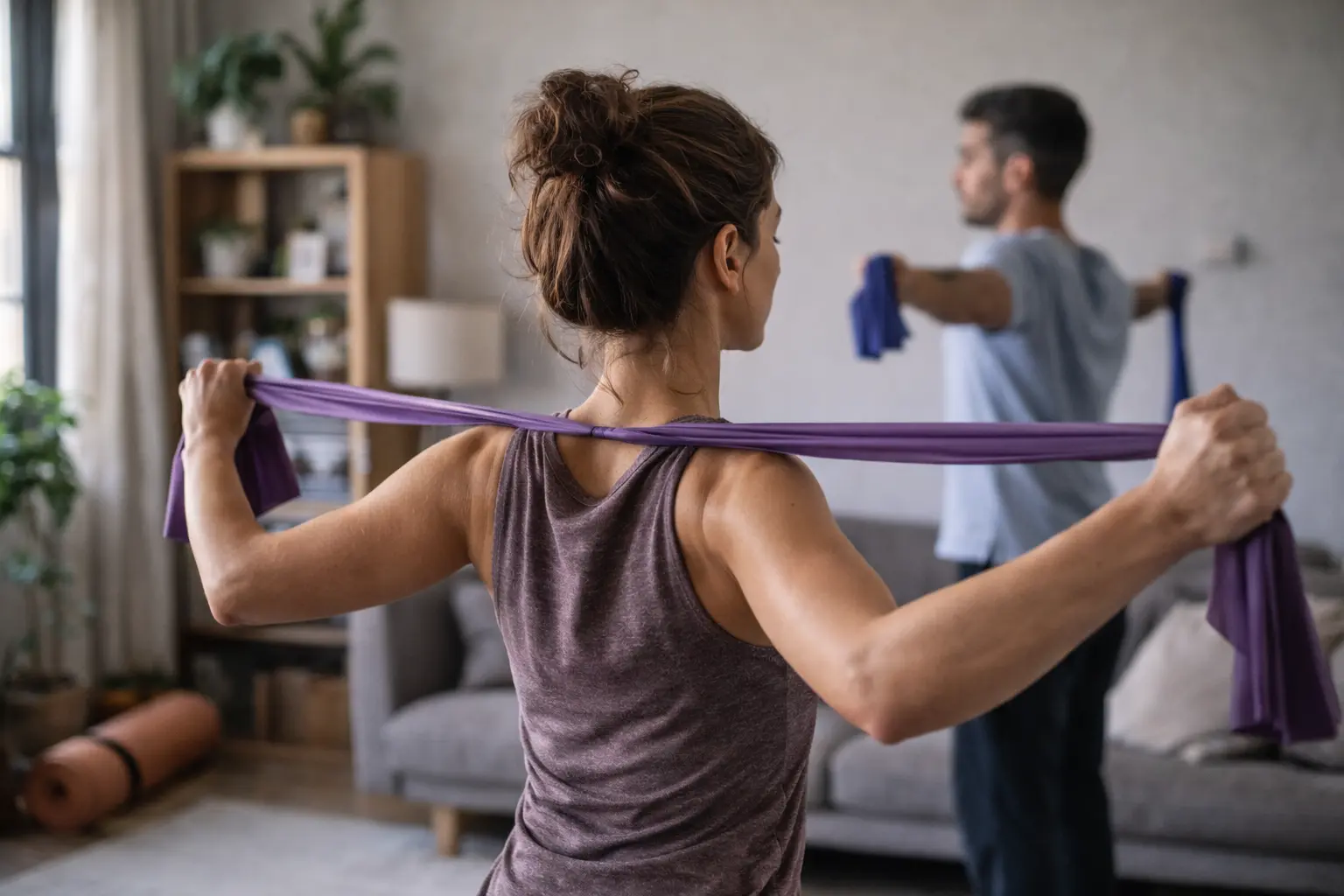
Your shoulders are creeping toward your ears, your lower back aches by 3pm, and you catch yourself hunched over your phone again – but posture correction exercises can actually fix this, and you don’t need a gym membership to start.
Understanding the importance of good posture
Good posture is vital for overall health and can prevent a myriad of issues, including back pain, neck strain, and headaches. Think about your typical day: you sit at a desk, scroll through your phone, drive to appointments. Each of these activities pulls your body forward and down. Over time, this repetitive slouching creates muscle imbalances, tightens your chest, and weakens your back. By practicing proper posture, you can improve your confidence, mood, and even digestion. Women especially face unique postural challenges due to factors like carrying bags on one shoulder, wearing heels, and hormonal changes that affect muscle flexibility. When you align your spine correctly, you’re not just standing taller – you’re giving your organs room to function properly, reducing pressure on your nerves, and setting yourself up for a life with less chronic pain.
- Maintaining good posture distributes weight evenly, reducing strain on your muscles and joints.
- Proper alignment keeps your spine in a neutral position, minimizing the risk of chronic pain.
- Good posture enhances your lung capacity, allowing for better breathing and increased energy levels.
Exercises to strengthen your core
A strong core plays a key role in supporting good posture. Your core isn’t just your abs – it includes your deep abdominal muscles, your back extensors, and your pelvic floor. When these muscles are weak, your spine lacks support and naturally collapses forward. Include exercises like planks, bird dogs, and bridges in your routine to engage your abdominal and back muscles for better stability. Start with a 20-second plank if you’re new to this, holding your body in a straight line from head to heels. Bird dogs teach you to stabilize one side of your body while moving the opposite limb, mimicking real-life movements like reaching for something while standing. Bridges activate your glutes and lower back, counteracting the hip flexor tightness that comes from sitting. Do these three times per week, gradually increasing your hold times or repetitions. Many women find that consistent core work transforms their posture within two to three weeks because their spine finally has the muscular support it needs.
📘 Fix your day in under 2 minuteschoose where to begin:
Stretching and mobility exercises
Incorporate stretching exercises like shoulder rolls, chest openers, and hip flexor stretches to improve flexibility and release tension in your muscles, allowing for proper alignment and better posture. Your chest muscles tighten from forward-facing activities, pulling your shoulders inward. A simple chest opener involves standing in a doorway, placing your forearm on the frame, and gently leaning forward until you feel a stretch across your chest and shoulder. Hold for 30 seconds on each side, breathing deeply. Hip flexor stretches are equally important because tight hip flexors tilt your pelvis forward, creating lower back strain and a protruding belly appearance. Kneel on one knee, push your hips forward gently, and hold for 30 seconds. Shoulder rolls seem basic, but they’re powerful for releasing tension that accumulates from stress and computer work. Do 10 slow rolls backward, pausing at the top to squeeze your shoulder blades together. These stretches take just 10 minutes daily but address the root cause of poor posture – muscle tightness – rather than just treating the symptom.
Posture-correcting yoga poses
Yoga poses such as mountain pose, cat-cow stretch, and cobra pose can help align your spine, strengthen your muscles, and increase body awareness, promoting better posture throughout the day. Mountain pose might look like standing still, but it’s actually a full-body alignment practice. Stand with your feet hip-width apart, press all four corners of your feet into the ground, engage your thighs, lengthen your spine, and let your arms hang naturally. This teaches your nervous system what good posture feels like. Cat-cow stretch warms up your spine and teaches spinal mobility. On your hands and knees, arch your back gently while lifting your gaze, then round your spine while tucking your chin. Move slowly between these positions for one minute. Cobra pose strengthens your back extensors and opens your chest. Lie on your belly, place your hands under your shoulders, and press gently to lift your chest while keeping your hips on the ground. Hold for 20 seconds. Many women find that practicing these poses for just 10 minutes daily creates lasting postural improvements because yoga combines strength, flexibility, and mindfulness in one practice.
Mindfulness and posture awareness
Practice mindfulness by being aware of your posture throughout the day. Set reminders to check your alignment, adjust your workspace ergonomics, and take breaks to correct any slouching habits for sustained posture improvement. Your phone can be your ally here – set three alarms daily at times you typically slouch, like mid-morning, after lunch, and late afternoon. When the alarm sounds, pause and do a quick body scan: Are your shoulders up by your ears? Is your chin jutting forward? Is your lower back arched? Simply noticing these patterns is the first step to changing them. Adjust your workspace so your monitor is at eye level, your keyboard is at elbow height, and your feet rest flat on the floor. These small ergonomic tweaks prevent poor posture from developing in the first place. Take a two-minute movement break every hour – stand, stretch, and reset your alignment. Many women discover that this mindfulness approach is more sustainable than forcing perfect posture through willpower alone. When you understand why your body adopts poor posture and actively interrupt the pattern, lasting change becomes possible.
Strengthen your core, stretch regularly, integrate yoga poses, and practice mindfulness to enhance your posture naturally. Good posture not only boosts your physical health but also positively impacts your overall well-being.
Can poor posture be corrected with exercises alone?
While exercises can help correct posture, it’s essential to also focus on ergonomics, lifestyle changes, and regular movement throughout the day to maintain good posture.
How long does it take to see results from posture correction exercises?
Results can vary depending on individual factors. Consistent practice of posture correction exercises along with proper ergonomics and awareness can lead to noticeable improvements in a few weeks.
Others also read:
Disclaimer: This article is for informational purposes only and is not a substitute for professional medical advice. Always consult a healthcare professional for personal guidance.
This guide has been prepared and reviewed by the GlobalHealthBeacon editorial team and reflects current medical research as of 2026. It provides structured, evidence-based information to support informed health decisions.
