Part of: Movement & Physical Health
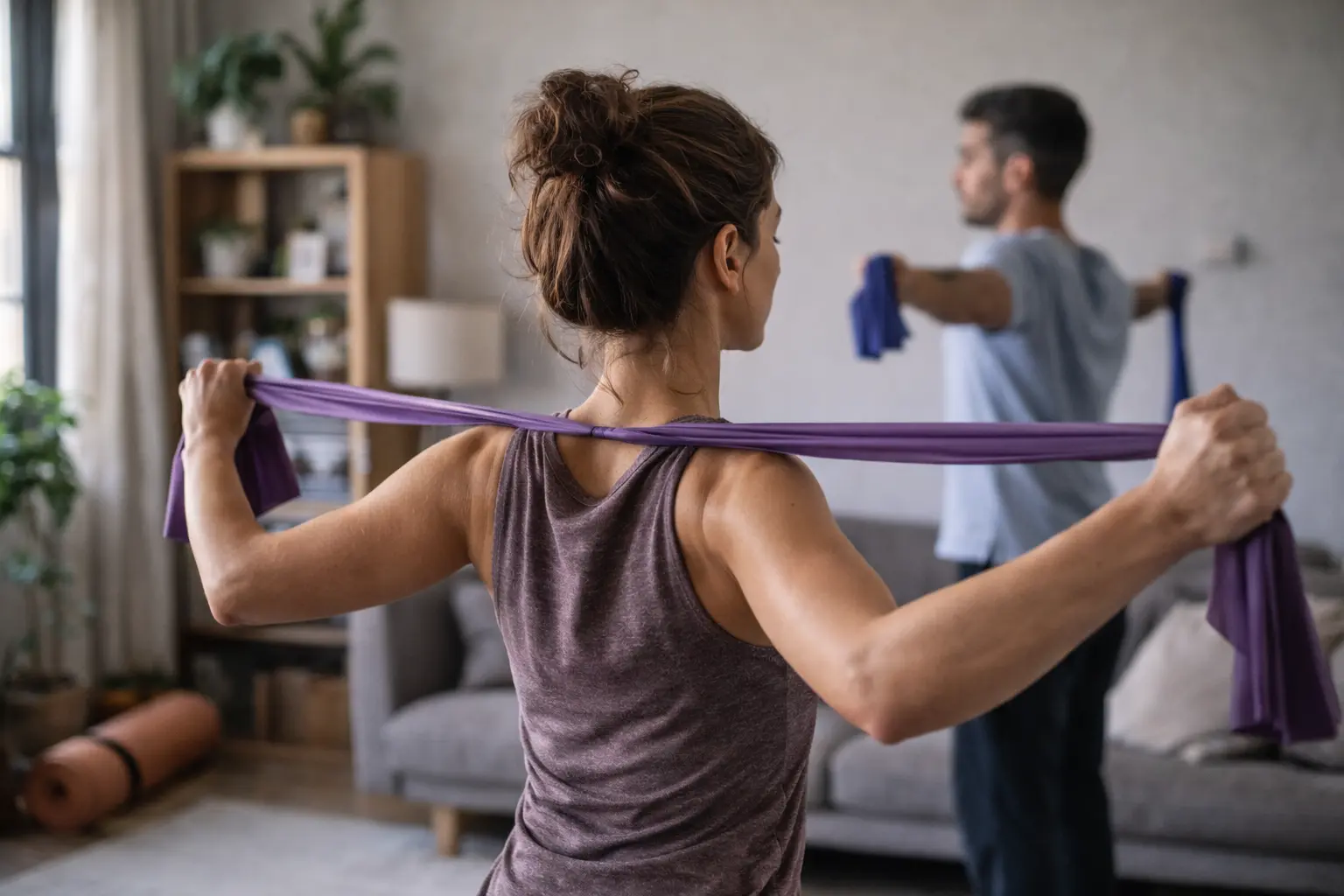
Posture correction exercises are targeted movements and routines designed to strengthen the muscles that support the spine, improve spinal alignment, and counteract the effects of prolonged sitting and poor ergonomic habits. These exercises work by engaging the core, back, shoulders, and neck—key areas where postural weakness often develops—to help individuals sit and stand straighter over time. Whether caused by desk work, aging, or daily lifestyle factors, poor posture can contribute to chronic pain, reduced mobility, and diminished quality of life, making systematic correction an important health consideration.
The effectiveness of posture correction exercises has been increasingly validated by research and clinical practice. Common movements such as chin tucks, wall angels, planks, glute bridges, and shoulder blade squeezes target specific muscle groups responsible for maintaining upright alignment. These exercises not only build strength and flexibility but also cultivate body awareness, enabling individuals to recognize and correct postural deviations in real-world settings. Many users report measurable improvements in neck and back pain, spinal stability, and overall functional movement within weeks of consistent practice.
Posture correction is not a one-size-fits-all endeavor; different age groups, fitness levels, and physical conditions require tailored approaches. Young adults may benefit from preventive exercises that establish strong postural habits early, while seniors often require gentler, safer modifications to protect joints and prevent injury. Women and men may also experience distinct postural challenges based on biomechanics and lifestyle patterns. Additionally, the question of how long meaningful change takes—and whether corrective exercises can truly resolve chronic pain—remains central to user inquiry and evidence-based practice.
This resource provides a comprehensive overview of posture correction exercises, drawing on practical guidance, scientific evidence, real-world results, and age- and demographic-specific recommendations. Whether seeking quick daily routines, honest program reviews, evidence-based approaches, or detailed step-by-step instructions, users will find in-depth articles exploring how posture correction works, which exercises deliver results, and how to safely integrate these practices into daily life.
This Cleveland Clinic article provides a medically reviewed list of posture correction exercises, such as wall angels and pelvic tilts, that help strengthen postural muscles, improve spinal alignment, and sit or stand straighter over time. → Click here