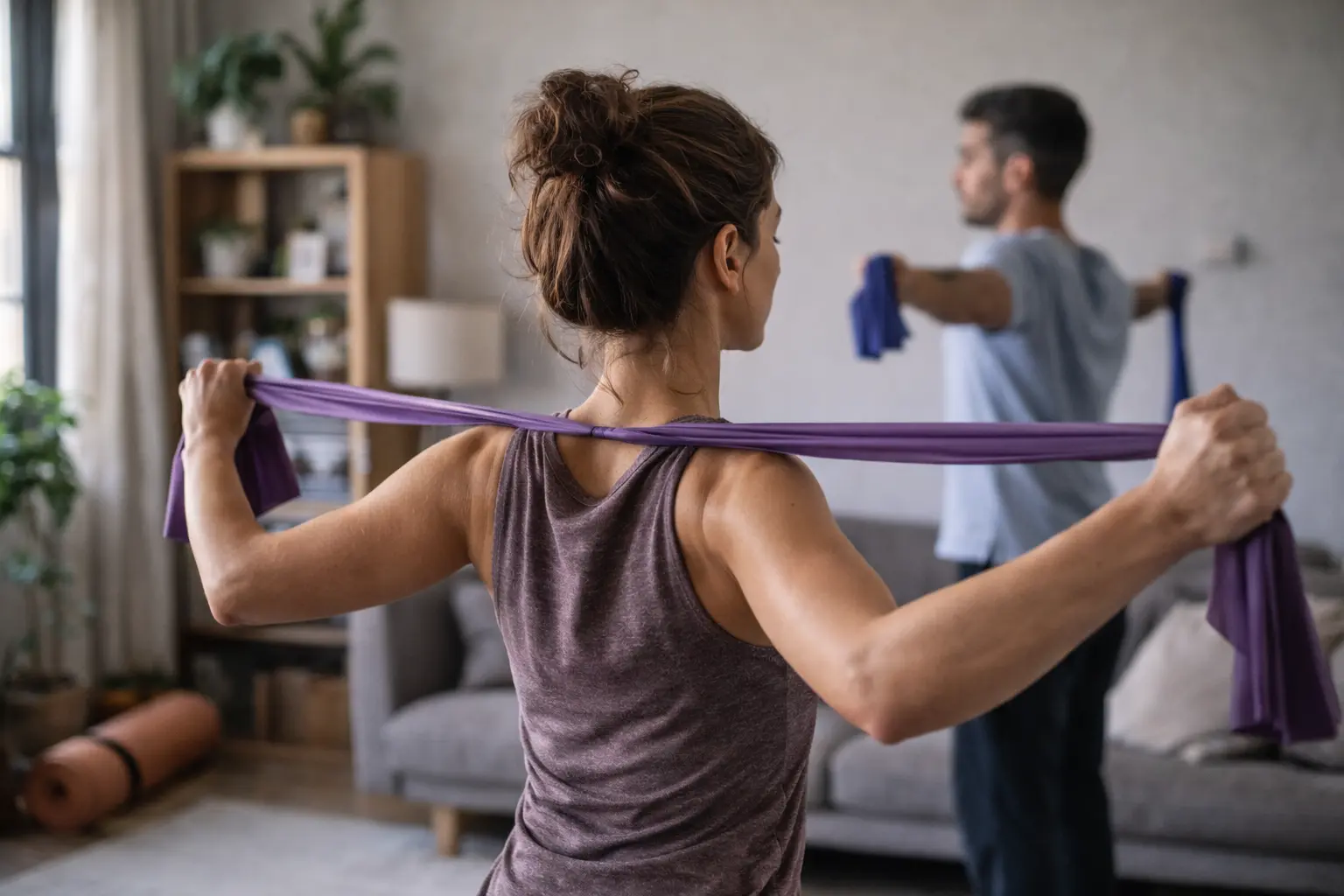
Your shoulders are creeping toward your ears, your neck feels permanently stiff, and you catch yourself hunched over your desk yet again, wondering if posture correction exercises could actually fix what feels like years of damage.
The impact of poor posture on daily life
Poor posture doesn’t just affect how you look; it seeps into every moment of your day. Imagine waking up with a dull ache in your lower back that never quite goes away, or feeling that sharp pinch in your neck after scrolling through your phone for an hour. Many young adults experience constant fatigue without realizing their slouched position is draining their energy. There’s also the mental toll: catching your reflection and feeling self-conscious, or noticing how differently people respond when you stand tall versus when you’re hunched. One common scenario is the office worker who starts the day sitting up straight but by mid-afternoon is completely folded into their chair, contributing to chronic tension headaches and reduced productivity. The good news is that correcting posture is about reclaiming your well-being, not just appearance. When you address postural issues, you’re investing in pain relief, better breathing, improved circulation, and genuine confidence that comes from feeling strong in your own body.
- Reduced back and neck pain
- Increased energy levels
- Enhanced self-esteem
Simple exercises for posture correction
Starting a posture correction routine doesn’t require a gym membership or complicated equipment. Begin with shoulder blade squeezes: sit or stand with your arms at your sides, then pull your shoulder blades back and down as if you’re trying to hold a pencil between them, holding for two seconds before releasing. Chin tucks are equally simple and incredibly effective; sit upright, tuck your chin slightly backward without looking down, and hold for five seconds. Wall angels are another game-changer: stand with your back against a wall, arms bent at 90 degrees, and slowly slide them up and down the wall surface. The key is consistency over intensity. Many people make the mistake of doing these exercises once and expecting instant results, or pushing too hard and straining muscles. Instead, aim for ten to fifteen minutes daily, three to five times per week. You’ll likely notice subtle improvements within two to three weeks: less neck tension when you wake up, fewer afternoon headaches, or that satisfying feeling of standing taller. The real transformation happens when these movements become automatic, woven into your daily routine rather than a separate chore.
💬 Ready to feel better in 2 minutes?choose where to begin:
Mindful body alignment and awareness
Awareness is half the battle. Throughout your day, pause and check in with your body: are your ears stacked over your shoulders? Is your spine neutral, not arched or rounded? Are your feet grounded? This simple practice, done even three or four times daily, creates neural pathways that eventually make good posture your default. Picture yourself at your desk, and instead of mindlessly slouching, you consciously adjust your monitor to eye level, plant your feet flat on the floor, and settle into a neutral spine position. Over time, your body remembers this alignment and naturally gravitates toward it. Many young adults find that setting phone reminders to check posture helps during the adjustment phase. Some use posture apps that gently nudge them when they’ve been in a poor position too long. The mistake most people make is expecting perfect posture immediately; instead, think of it as a skill you’re building, like learning an instrument. Each time you notice and correct your alignment, you’re strengthening the awareness itself. Within weeks, you’ll catch yourself correcting posture automatically, without conscious thought.
Positive mindset and consistency
Transformation isn’t glamorous or overnight. It’s the unglamorous work of showing up for yourself day after day, even when you don’t feel like it. The young adults who succeed with posture correction aren’t the ones who expect miracles; they’re the ones who celebrate small wins. Maybe it’s noticing you made it through a full work day without neck pain, or catching yourself standing tall in a photo without thinking about it. These moments matter more than you’d think. Embrace a growth mindset: your current posture is simply where you’re starting, not where you’re stuck. When you miss a day or two of exercises, don’t spiral into guilt; just pick it back up. Consistency beats perfection every single time. Many people find that tracking their progress, whether through photos, journaling how they feel, or simply noting when pain decreases, keeps motivation alive during the slower weeks. Connect your posture work to a bigger why: maybe it’s feeling confident at social events, having energy for hobbies, or just not hurting anymore. That deeper purpose carries you through the plateaus.
Discover the profound impact of posture correction exercises on daily life, from reducing pain to boosting confidence. Learn simple exercises, practice mindful body alignment, and cultivate a positive mindset for lasting transformation.
How long does it take to see results from posture correction exercises?
The timeline for seeing results varies for each individual, but with consistent practice, improvements can typically be noticed within a few weeks to a few months.
Are posture correctors recommended for improving posture?
Posture correctors can be helpful as a temporary aid, but long-term improvement in posture is best achieved through targeted exercises and mindful awareness of body alignment.
Others also read:
Disclaimer: This article is for informational purposes only and is not a substitute for professional medical advice. Always consult a healthcare professional for personal guidance.
This article presents an experience-based perspective and has been reviewed by the GlobalHealthBeacon editorial team in 2026. It provides structured, evidence-based information to support informed health decisions.
