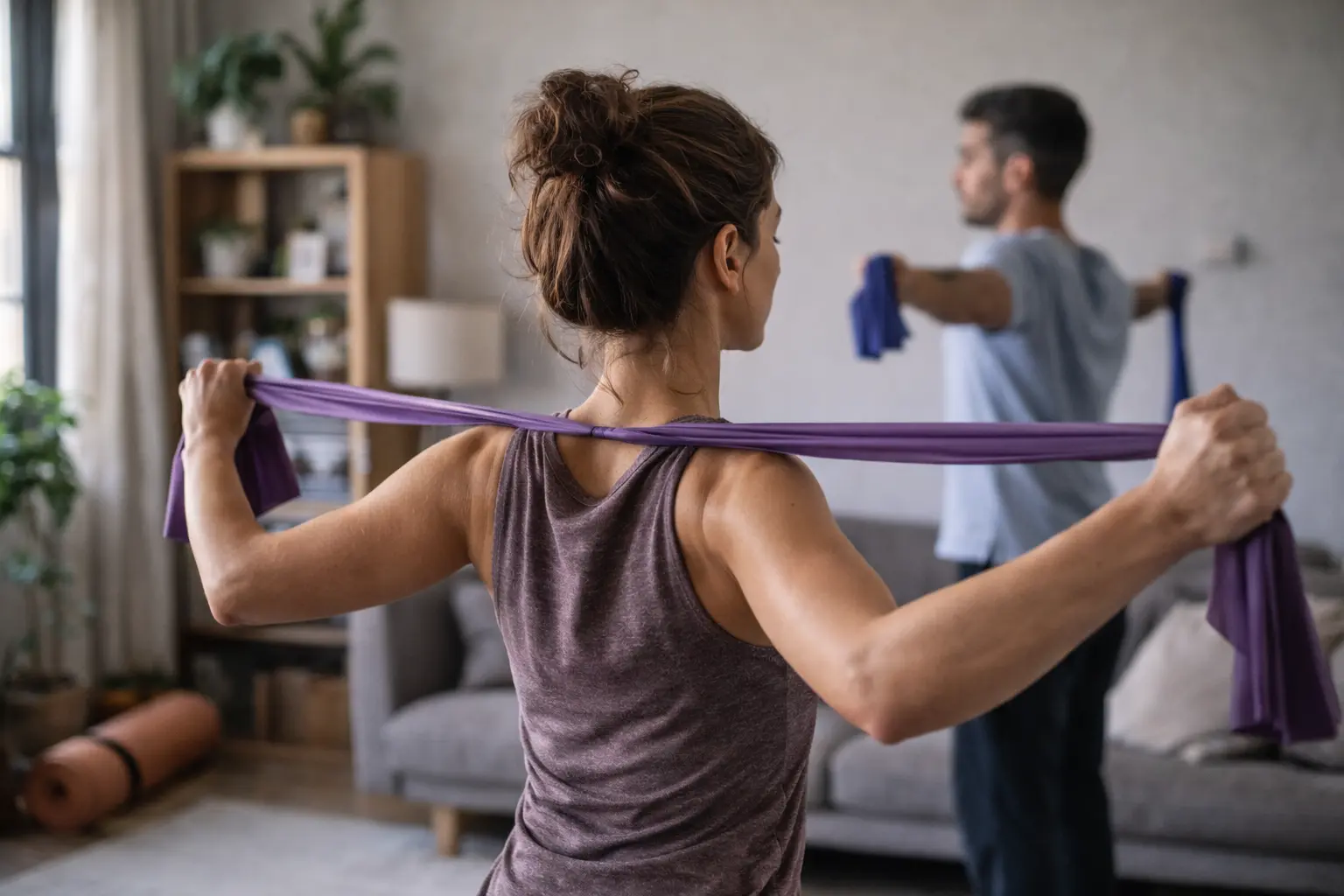
Your back aches, your neck feels stiff, and you catch yourself hunched over again without even realizing it – posture correction exercises are the practical solution that actually works to straighten things out and help you stand tall again.
Understanding posture correction exercises
Improving your posture is essential for overall health and well-being, and the good news is that it starts with understanding the fundamentals. Think of your body like a building – if the foundation isn’t aligned, everything else struggles. When you stand tall with your shoulders relaxed and aligned with your ears, you’re creating a straight line from your head down through your spine. This isn’t about military-style rigidity. Rather, it’s about finding a natural, comfortable alignment that reduces strain on your muscles and joints. Many seniors find that simply becoming aware of their posture throughout the day creates immediate improvement. Start by noticing how you feel right now as you read this. Are your shoulders creeping up toward your ears? Is your chin jutting forward? These are common patterns that develop over years of desk work, driving, or simply the natural changes that come with aging. The key is gentle awareness, not perfectionism.
- Stand tall with your shoulders relaxed and aligned with your ears.
- Engage your core muscles by tightening your abdomen slightly.
- Keep your weight evenly distributed on both feet to prevent leaning to one side.
Gentle stretching exercises for posture
Stretching is your secret weapon for releasing the tension that builds up from poor posture habits. Imagine spending hours with your shoulders rounded forward – your chest muscles tighten, your upper back gets stretched, and everything feels locked in place. Gentle stretching reverses this pattern. The doorway chest stretch is particularly effective: stand in a doorway with your forearm against the frame at shoulder height, then gently lean forward until you feel a comfortable stretch across your chest. Hold this for 20 to 30 seconds and repeat three times on each side. Another powerful stretch is the neck release – slowly tilt your right ear toward your right shoulder, hold for 15 seconds, then repeat on the left side. Don’t force it or bounce. The goal is to create space in your muscles, not to achieve maximum flexibility. Many seniors notice that consistent stretching reduces the stiffness they feel when getting out of bed in the morning. A simple routine of five to seven minutes in the morning and evening can dramatically improve how your body feels throughout the day.
📘 Fix your day in under 2 minuteschoose where to begin:
Strengthening exercises for posture support
Your back muscles are like the cables holding up a suspension bridge – without strength, everything sags. As we age, these muscles naturally weaken, making slouching easier and good posture harder to maintain. Wall angels are an excellent starting point: stand with your back against a wall, arms bent at 90 degrees like goal posts, then slowly slide your arms upward along the wall as far as comfortable, then back down. This engages your upper back and shoulder muscles without strain. Rows using a resistance band are equally valuable – loop the band around a sturdy object at chest height, then pull it toward you, squeezing your shoulder blades together. Start with 10 to 12 repetitions and build from there. The bridge exercise strengthens your lower back and core: lie on your back with knees bent, feet flat, then lift your hips toward the ceiling, hold for two seconds, and lower. These exercises don’t require a gym or special equipment. Consistency matters far more than intensity. Even three times per week creates noticeable improvement within four to six weeks, giving you the muscular foundation that makes good posture feel natural rather than forced.
Correcting posture while sitting
Most seniors spend significant time sitting, whether reading, watching television, or working on a computer. This is where posture often falls apart. Proper sitting posture begins with your chair – your feet should rest flat on the floor or a footrest, your knees at 90 degrees, and your back supported by the chair. Your screen, if you use one, should be at eye level so you’re not looking down. Imagine a string pulling the top of your head toward the ceiling – this mental image helps prevent the forward head posture that strains your neck. Your shoulders should sit naturally, not hunched or pulled back artificially. A small pillow or lumbar support in the small of your back prevents the slouch that happens naturally over time. Take a posture check every 30 minutes – notice where your shoulders are, whether your chin is jutting forward, and whether you’ve slumped into the chair. Small adjustments throughout the day prevent the cumulative strain that leads to pain. Many seniors find that simply setting a phone reminder to check their posture every half hour creates lasting habit change within a few weeks.
Posture tips for everyday activities
Posture isn’t something you practice only during exercise – it’s woven into every movement you make. When walking, imagine walking with a book balanced on your head, which naturally lengthens your spine and engages your core. Your arms should swing naturally at your sides, not held rigidly. When lifting objects, bend at your knees and hips, not your back – this protects your spine and distributes weight properly through your legs. Sleeping posture matters too. If you sleep on your side, place a pillow between your knees to keep your spine aligned. Back sleepers benefit from a pillow under their knees. Stomach sleeping strains your neck and should be avoided. Even daily tasks like reaching for items in cabinets or picking up grandchildren involve posture. Bend your knees, keep objects close to your body, and avoid twisting your spine. These small adjustments throughout your day add up to significant protection for your back and neck. Think of posture as a lifestyle rather than a separate practice. When you integrate these principles into how you move through the world, good posture becomes automatic rather than something you have to remember.
Discover the essential steps to correct your posture effectively through stretching, strengthening exercises, and everyday posture tips.
Why is good posture important for seniors?
Good posture can help seniors reduce the risk of muscle strain, improve balance and mobility, and prevent common back and neck problems.
How long should I practice posture correction exercises daily?
Start with short sessions of 10-15 minutes daily and gradually increase the duration as your strength and flexibility improve.
Others also read:
Disclaimer: This article is for informational purposes only and is not a substitute for professional medical advice. Always consult a healthcare professional for personal guidance.
This guide has been prepared and reviewed by the GlobalHealthBeacon editorial team and reflects current medical research as of 2026. It provides structured, evidence-based information to support informed health decisions.
