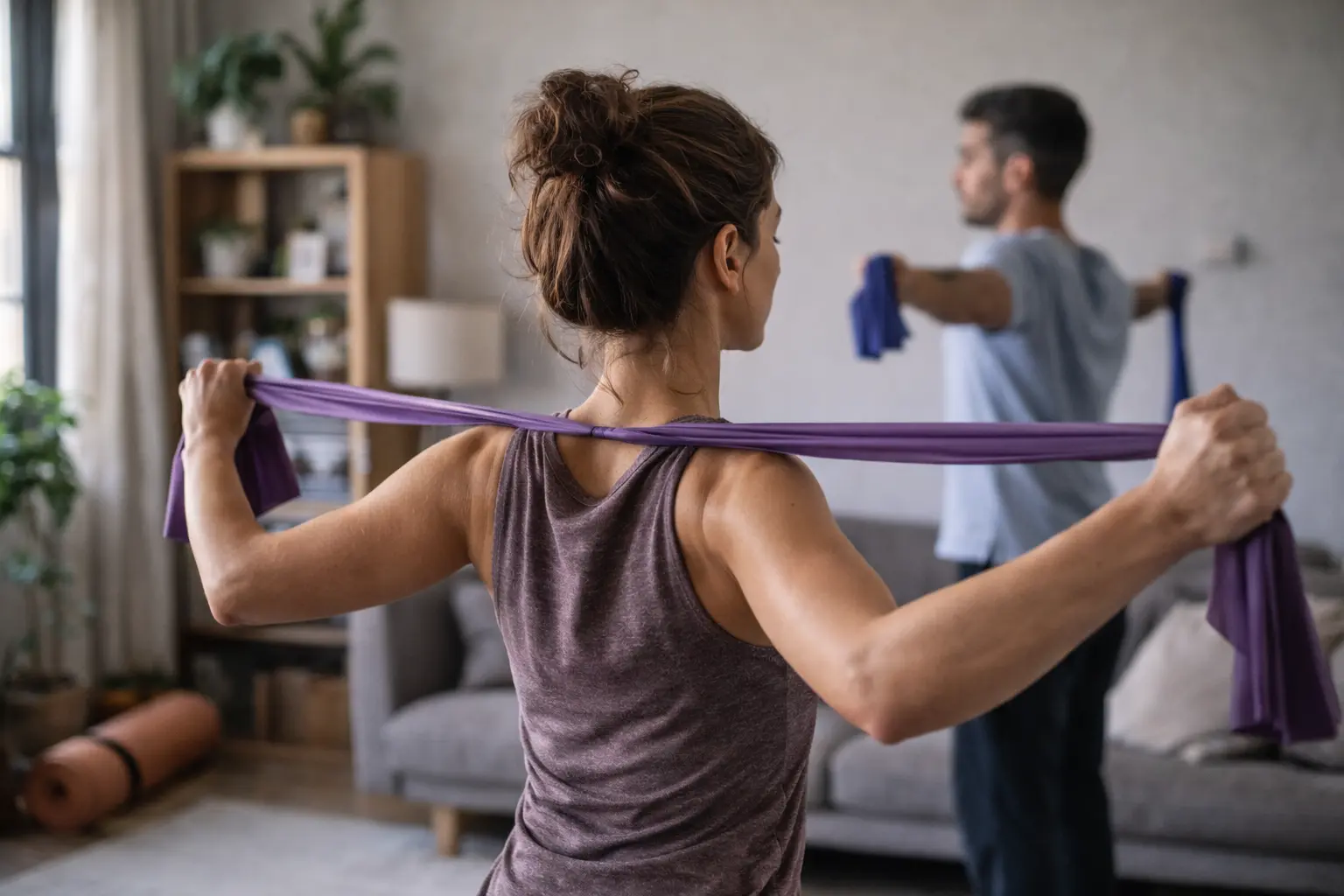
Your shoulders are creeping toward your ears, your lower back aches by 3pm, and you catch yourself hunched over your desk without even realizing it happened – but posture correction exercises can actually fix this, and they work faster than you think.
Benefits of good posture
Good posture does more than just make you look taller and more confident, though that’s a nice bonus. When your spine is properly aligned, your lungs have more room to expand, which means better oxygen flow throughout your body and less fatigue by the end of the day. Your back muscles aren’t constantly fighting gravity, so chronic pain that’s been nagging you for months can actually start to fade. Think of your body like a building: poor posture is like a foundation that’s slightly off, creating stress on every floor above it. When you correct that foundation through targeted exercises, everything else settles into place naturally. Young adults especially notice the difference in energy levels and mental clarity within weeks of consistent practice. You’ll also experience fewer headaches, better digestion, and improved confidence in social situations. The physical appearance upgrade is real too – standing tall instantly makes you look leaner and more put-together without changing anything else about your body.
- Enhanced physical appearance
- Improved breathing
- Reduced back pain
- Better body alignment
Top posture correction exercises
The plank is your foundation builder: hold your body in a straight line from head to heels for 20-30 seconds, keeping your core tight and shoulders over your wrists. This exercise strengthens the deep abdominal muscles that support your spine all day long. The cat-cow stretch involves moving on your hands and knees, arching your back gently then rounding it, which mobilizes your entire spine and improves flexibility. Shoulder blade squeezes are simple but powerful: sit upright, pull your shoulder blades back and down as if trying to hold a pencil between them, hold for 2-3 seconds, then release. Repeat 15 times. Wall angels mimic snow angels while standing against a wall with your arms at shoulder height, sliding them up and down slowly to strengthen your shoulders and upper back. Finally, the chest opener stretch involves clasping your hands behind your back and gently pulling your arms down while lifting your chest, counteracting the rounded shoulders that come from desk work. Each exercise targets different muscle groups that have weakened from modern habits like sitting and phone use. Start with 2-3 sets of each, three times per week, then gradually increase as your strength improves.
📘 Fix your day in under 2 minuteschoose where to begin:
Tips for practicing posture exercises
Form matters infinitely more than speed or quantity. A single perfect plank beats ten sloppy ones every time. Start slowly and focus on feeling the right muscles engage rather than rushing through repetitions. Consistency beats intensity: doing these exercises for 10 minutes daily will transform your posture faster than sporadic intense sessions. Add them to an existing habit, like doing them right after your morning coffee or before bed, so they stick naturally. Pay attention to how your body feels during and after each exercise. Mild muscle engagement is good; sharp pain is a signal to stop and adjust. Many young adults make the mistake of pushing too hard too fast, leading to soreness that discourages them from continuing. Instead, aim for a sustainable pace you can maintain for at least 4-6 weeks. Consider working with a physical therapist or trainer for the first session to ensure you’re doing movements correctly. Your body learns patterns quickly, and bad patterns are hard to break, so getting the foundation right matters. Track your progress by taking photos or noting how your clothes fit differently as your posture improves.
Common mistakes to avoid
The biggest mistake young adults make is expecting overnight results and quitting after two weeks when their posture hasn’t magically transformed. Posture correction is a gradual process that typically takes 4-8 weeks to show noticeable changes, depending on how long you’ve had poor posture. Overexertion is another trap: doing too many exercises too intensely leads to muscle soreness that makes you want to skip days, breaking your consistency. Never sacrifice form for higher numbers. Doing 10 perfect shoulder blade squeezes beats 30 sloppy ones that don’t actually engage the right muscles. Ignoring pain signals is dangerous; mild discomfort during exercise is normal, but sharp or shooting pain means stop immediately and reassess your form. Many people also neglect the stretching component, focusing only on strengthening exercises. Your muscles need both strength and flexibility to maintain good posture long-term. Sitting for hours between exercise sessions completely undoes your progress, so breaking up sitting time is just as important as the exercises themselves. Finally, avoid comparing your timeline to others. Your posture took months or years to develop, so be patient with the correction process.
Maintaining good posture throughout the day
Exercises are just part of the equation; how you carry yourself the other 23 hours matters equally. Set phone reminders every hour to check your posture: shoulders back, chest open, chin parallel to the ground. This awareness builds new neural pathways that eventually make good posture automatic. Invest in ergonomic furniture if possible, or make adjustments to your current setup: monitor at eye level, chair supporting your lower back, feet flat on the floor. Even small changes like a lumbar pillow or a standing desk converter can reduce the strain pulling you back into poor posture. Take movement breaks every 30 minutes, even just a 2-minute walk or a few stretches. Sitting is the new smoking for posture, and no amount of exercises can fully compensate for hours of static positioning. Stay active with activities you actually enjoy, whether that’s walking, swimming, yoga, or dancing. These activities strengthen your postural muscles while keeping you engaged. Some young adults find posture correctors helpful as a temporary tool, not a permanent crutch. They provide sensory feedback that reminds you to sit up, but they shouldn’t replace active muscle strengthening. Think of them as training wheels, not the solution itself. The real goal is building muscle memory so good posture feels natural and effortless.
Good posture offers numerous benefits such as enhanced physical appearance, improved breathing, reduced back pain, and better body alignment. By incorporating posture correction exercises into your routine, you can strengthen your muscles and achieve optimal posture naturally. Consistency and proper form matter more than intensity, and results typically appear within 4-8 weeks of regular practice. Combine exercises with daily postural awareness and ergonomic adjustments to maintain improvements long-term.
How long does it take to see results from posture exercises?
Results from posture exercises can vary depending on individual factors like consistency, effort, and existing muscle strength. While some may notice improvements in a few weeks, others may take longer to see significant changes. Most young adults report noticeable differences in how they feel and look within 4-8 weeks of practicing three times per week. The key is staying consistent rather than expecting instant transformation.
Can posture correction exercises prevent future health issues?
Regular practice of posture correction exercises can help strengthen muscles, improve alignment, and reduce the risk of developing posture-related health issues in the future. However, it is essential to combine these exercises with other healthy habits for optimal results. Maintaining good posture throughout the day, taking movement breaks, and staying active all work together to prevent chronic pain, headaches, and spinal problems down the road.
Others also read:
Disclaimer: This article is for informational purposes only and is not a substitute for professional medical advice. Always consult a healthcare professional for personal guidance.
This guide has been prepared and reviewed by the GlobalHealthBeacon editorial team and reflects current medical research as of 2026. It provides structured, evidence-based information to support informed health decisions.
