When the sun disappears by 5 PM and you can’t shake the heaviness from your chest, you’re not losing it—you’re dealing with seasonal depression, and this guide will show you exactly how to prevent winter depression symptoms before they take over your life.
Understanding winter depression symptoms
Winter depression, clinically known as Seasonal Affective Disorder or SAD, isn’t just feeling a bit blue when the days get shorter. For many women, it’s a noticeable shift in mood, energy, and motivation that can last months. You might notice yourself sleeping more but feeling less rested, craving carbs and sugary foods, or losing interest in hobbies you normally love. Some women describe it as moving through the day in slow motion, while others experience a heaviness that makes even simple tasks feel overwhelming. The key is recognizing these patterns early. If you find yourself withdrawing from friends, struggling to concentrate at work, or feeling persistently sad during the darker months, these are signals your body is responding to reduced daylight. Understanding that this is a real physiological response, not a personal failing, is the first step toward taking action.
- Increase exposure to natural light, especially in the morning
- Engage in regular physical activity at least 30 minutes daily
- Maintain a balanced diet rich in omega-3s, fruits, and vegetables
Embracing light therapy
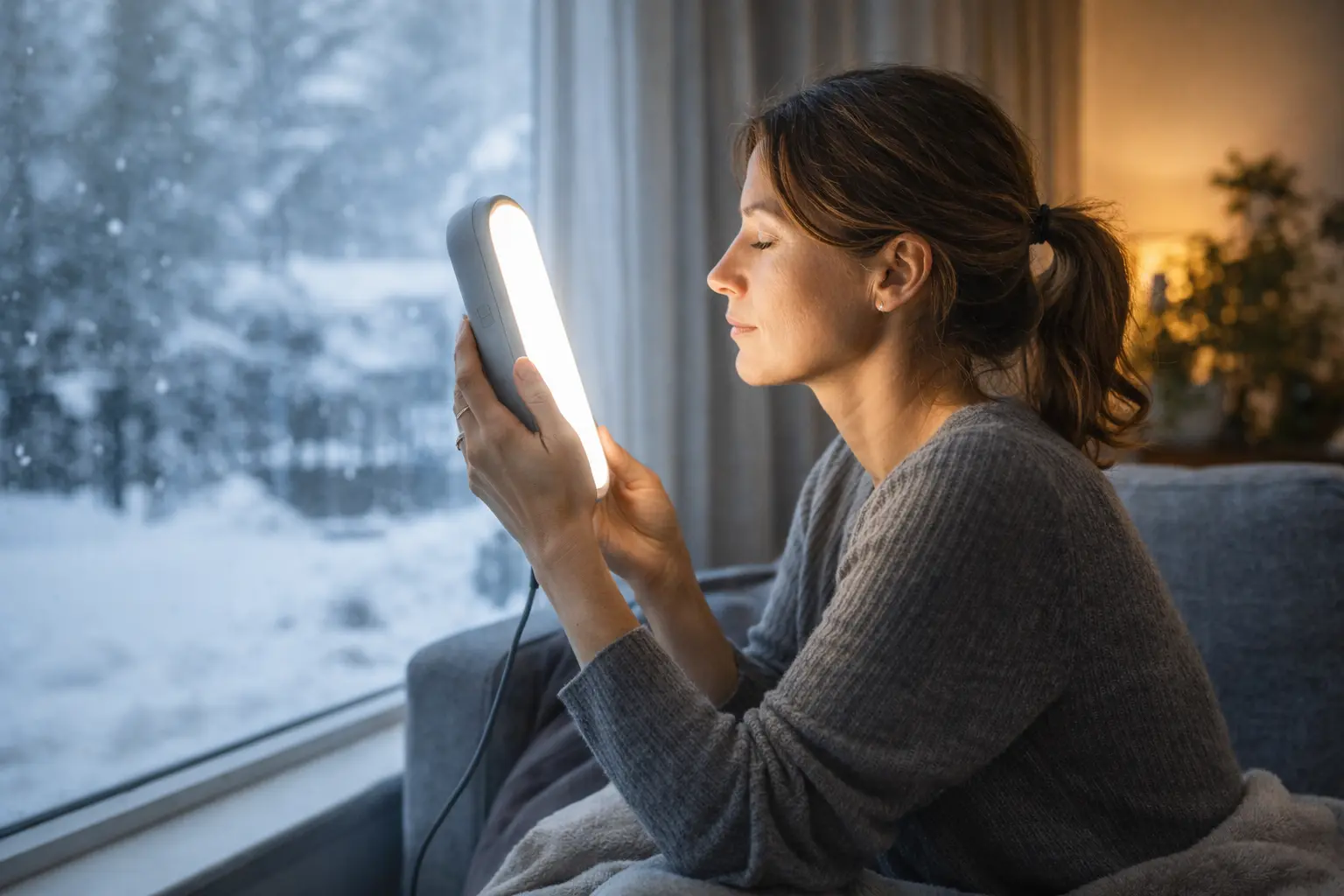
Light therapy works by simulating the bright outdoor light your brain craves during winter months. A light therapy box, typically producing 10,000 lux of illumination, can help reset your circadian rhythm and boost serotonin production. The process is straightforward: sit about 16 to 24 inches from the light box for 20 to 30 minutes each morning, ideally between 6 and 9 AM. Many women find that starting light therapy in late fall, before depression symptoms fully develop, prevents the worst of the seasonal slump. You might use it while checking emails, reading, or having breakfast. Some report noticing improvements within just a few days, though it typically takes one to two weeks for full effects. It’s important to use a clinically tested light therapy device with UV filtering to ensure safety and effectiveness. Unlike antidepressants, light therapy has minimal side effects and works quickly for many women.
📘 Fix your day in under 2 minuteschoose where to begin:
Practicing mindfulness and relaxation techniques
Mindfulness and relaxation practices anchor you in the present moment, breaking the cycle of rumination that often deepens winter depression. Meditation, even just 10 minutes daily, can calm your nervous system and reduce the anxiety that accompanies seasonal mood changes. Yoga combines physical movement with breathing awareness, helping release tension stored in your body during winter months when you naturally move less. Progressive muscle relaxation, where you systematically tense and release muscle groups, provides immediate relief from the physical heaviness depression creates. Many women find that establishing a consistent evening routine with these practices improves sleep quality, which directly impacts mood and resilience. Apps like Insight Timer or Calm offer guided sessions specifically designed for seasonal depression. The goal isn’t perfection or achieving a blank mind, but rather creating a daily anchor that reminds you that you have agency over your emotional state.
Staying socially connected
Isolation amplifies winter depression, yet it’s exactly what depression whispers you should do. Maintaining social connections requires intentional effort during winter because the urge to stay home is strong. Schedule regular coffee dates, video calls with distant friends, or weekly group activities that happen regardless of weather. Joining a winter fitness class, book club, or community group gives you both social interaction and accountability. Even brief connections matter: a 15-minute phone call with a friend, a text exchange, or a group chat can interrupt the loneliness cycle. Some women find that volunteering or joining a cause-based group provides both connection and purpose. The key is committing to these connections before depression deepens, when motivation is already low. Research shows that women who maintain active social lives during winter experience significantly fewer and less severe depression symptoms. Think of social connection as preventative medicine, not optional self-care.
Seeking professional help
If you’ve implemented light therapy, mindfulness practices, and social engagement but still feel overwhelmed by winter depression, professional support isn’t a last resort, it’s a smart next step. A therapist trained in cognitive behavioral therapy for SAD can help you identify thought patterns that worsen depression and develop concrete strategies to counter them. Your doctor can assess whether medication, such as an SSRI antidepressant, might help, particularly if you have a history of depression or if this winter feels different from previous years. Some women benefit from a combination approach: light therapy plus therapy plus medication. Starting professional support in fall, before depression fully sets in, gives you tools and support in place before you need them most. There’s no shame in this. Winter depression is a real medical condition, not a character flaw or something you should simply tough out. A healthcare provider can also rule out other conditions like vitamin D deficiency or thyroid dysfunction that can mimic or worsen seasonal depression.
Preventing winter depression symptoms involves understanding what SAD looks like for you, using light therapy strategically, building mindfulness into your routine, prioritizing social connections even when it feels difficult, and seeking professional support when needed. The most effective approach combines multiple strategies tailored to your life.
What are common symptoms of winter depression?
Common symptoms of winter depression include persistent low energy, feelings of sadness or emptiness, loss of interest in activities you normally enjoy, increased sleep and difficulty waking, weight gain and carb cravings, difficulty concentrating, and social withdrawal. Symptoms typically begin in fall and peak in January or February.
How can light therapy help with winter depression?
Light therapy using a 10,000 lux light box mimics natural sunlight and helps regulate your circadian rhythm and serotonin levels. Used for 20 to 30 minutes each morning, it can reduce depression symptoms within days to weeks by signaling your brain that it’s daytime, counteracting the effects of reduced winter daylight.
Others also read:
Disclaimer: This article is for informational purposes only and is not a substitute for professional medical advice. Always consult a healthcare professional for personal guidance.
This guide has been prepared and reviewed by the GlobalHealthBeacon editorial team and reflects current medical research as of 2026. It provides structured, evidence-based information to support informed health decisions.
