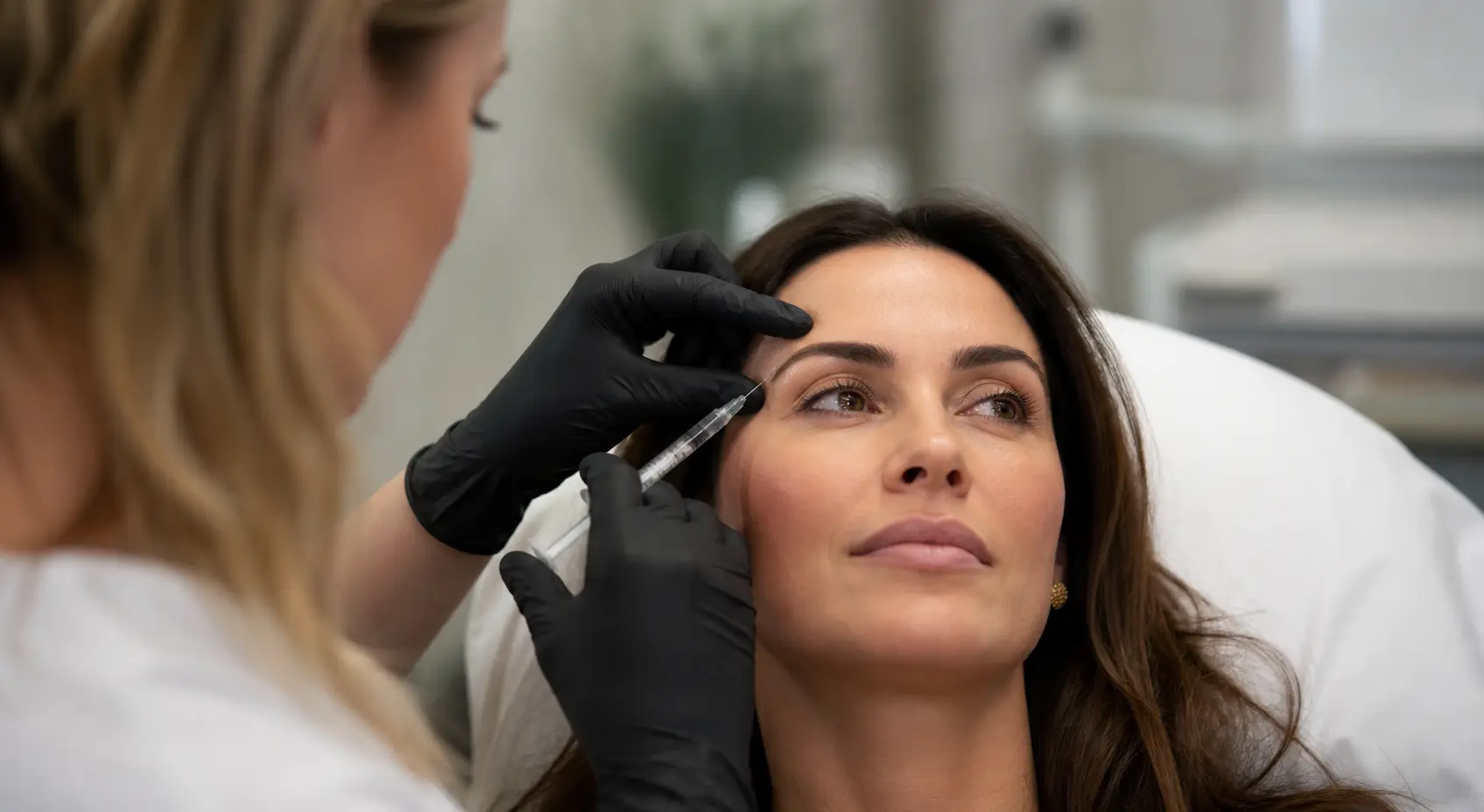
You’re noticing those tiny lines around your eyes when you smile, or maybe you’re just paranoid about getting them before they even show up, and honestly, preventive botox explained might be the answer you didn’t know you were looking for.
Understanding preventive botox
Preventive botox works differently than the corrective approach most people think of. Instead of waiting until wrinkles deepen and become permanent fixtures on your face, you’re getting ahead of the curve by relaxing the muscles that cause those lines in the first place. Think of it like this: a 28-year-old who smiles a lot and notices fine lines forming around the eyes can start with micro-doses to prevent those lines from becoming etched into her skin over the next decade. The science is straightforward. Botox relaxes the muscles responsible for repetitive facial movements, so when you stop making the same expression over and over, the skin doesn’t fold and crease as deeply. Your dermatologist will assess your skin, your lifestyle, and your goals to determine if you’re a good candidate. Small, consistent doses maintain your natural expressions while preventing future damage. This isn’t about freezing your face; it’s about strategic maintenance.
- Consult a qualified dermatologist for an evaluation of your skin and unique needs.
- Start with small doses of botox to maintain natural facial expressions.
- Consistent treatment is key; make a schedule with your dermatologist for best results.
Is preventive botox right for you?
The decision to start preventive botox is deeply personal and depends on several factors. If you’re in your mid-to-late twenties and already seeing fine lines when you smile or frown, or if you have a family history of early wrinkles, preventive botox might make sense for you. Consider your lifestyle too: do you spend hours in the sun without protection? Do you smoke or have high stress levels? These habits accelerate aging, and preventive treatment could help counteract them. A 26-year-old marketing professional who works long hours at a computer and squints frequently might benefit more than someone with minimal sun exposure and relaxed facial habits. Your skin type matters as well. Fair skin tends to show wrinkles earlier, while thicker skin types may not need preventive treatment as soon. Talk honestly with your dermatologist about your concerns, your timeline, and what you hope to achieve. This conversation helps you avoid unnecessary procedures while ensuring you get treatment if it truly aligns with your goals.
📘 Fix your day in under 2 minuteschoose where to begin:
The procedure and recovery
The actual botox appointment is quick and straightforward, usually taking just 10 to 15 minutes from start to finish. Your dermatologist will mark the injection sites, typically around the forehead, between the brows, and at the outer corners of the eyes. You’ll feel small pinches as the needle enters, but the discomfort is minimal and brief. Some people describe it as less painful than plucking eyebrows. After injection, your provider might apply ice to reduce any immediate redness or swelling. Here’s the practical part: you can walk out and go straight to work, the gym, or lunch. There’s no downtime, no bandages, no recovery period. You might notice slight redness or tiny bruises that fade within hours or a day or two. Results don’t appear immediately; you’ll start seeing changes within 3 to 5 days, with full effects showing around 2 weeks. The results last approximately 3 to 4 months, which is why consistency matters for preventive treatment. Many people schedule their appointments every 12 weeks to maintain results.
Potential risks and side effects
Botox is generally safe when administered by a qualified professional, but like any medical procedure, it carries some risks worth understanding. Common side effects include temporary redness, mild bruising, or a slight headache that resolves within 24 to 48 hours. Some people experience a heavy feeling in the treated area for a few days, which is normal and temporary. Rare but possible complications include asymmetrical results, drooping eyelids if injected incorrectly, or an overly frozen appearance if too much product is used. This is why choosing an experienced, board-certified dermatologist matters significantly. A skilled injector knows exactly how much product to use and where to place it to avoid these issues. If you have certain neurological conditions, are pregnant, or are allergic to any ingredients in botox, you’re not a candidate. Always disclose your full medical history and current medications to your provider. If you experience unusual symptoms like difficulty swallowing or severe weakness, contact your doctor immediately, though these are extremely rare.
Maintaining healthy skin habits
Preventive botox works best when paired with a solid skincare foundation. Think of it as one tool in a larger toolkit for aging well. Daily sunscreen with at least SPF 30 is non-negotiable; UV damage is the primary cause of premature aging, and protecting your skin now prevents far more damage than botox can address. Hydration matters too. Drinking enough water and using a good moisturizer keeps your skin plump and resilient, which naturally minimizes the appearance of fine lines. A consistent routine with a retinoid product at night boosts collagen production and cell turnover, complementing what botox does. Sleep quality directly affects skin health; aim for 7 to 9 hours nightly because your skin repairs itself during sleep. Stress management through exercise, meditation, or hobbies reduces cortisol, which can accelerate aging. Finally, avoid smoking and excessive alcohol, both of which dehydrate skin and break down collagen. When you combine preventive botox with these habits, you’re not just treating wrinkles; you’re investing in long-term skin health and maintaining a youthful appearance naturally.
Preventive botox involves starting treatments early, typically in your mid-to-late twenties, to prevent wrinkles from forming rather than correcting them after they appear. The procedure is quick, requires no downtime, and works best when combined with solid skincare habits like daily sunscreen, hydration, and sleep. Consider your skin type, lifestyle, and goals before deciding if preventive botox is right for you. Choose a qualified dermatologist, start with small doses to maintain natural expressions, and commit to consistent treatment every 3 to 4 months for optimal results. While generally safe, understand the potential risks and side effects. Remember that botox is one part of a comprehensive approach to aging well; healthy habits are equally important.
At what age should I consider preventive botox?
There isn’t a universal age to start preventive botox. It depends on your individual skin, genetics, and lifestyle. If you’re noticing fine lines in your mid-to-late twenties, or if you have a family history of early wrinkles, that’s a reasonable time to consult a dermatologist. Some people start as early as 25, while others wait until their early thirties. Your dermatologist can assess your skin and recommend whether preventive treatment makes sense for you right now.
How long does preventive botox last?
The effects of preventive botox typically last 3 to 4 months. This is why consistency matters for preventive treatment; you’ll need to schedule appointments every 12 weeks to maintain results. Some people find that with repeated treatments over time, results last slightly longer because the muscles become conditioned to relax. Your dermatologist can help you establish a treatment schedule that works for your goals and budget.
Others also read:
Disclaimer: This article is for informational purposes only and is not a substitute for professional medical advice. Always consult a healthcare professional for personal guidance.
This guide has been prepared and reviewed by the GlobalHealthBeacon editorial team and reflects current medical research as of 2026. It provides structured, evidence-based information to support informed health decisions.
