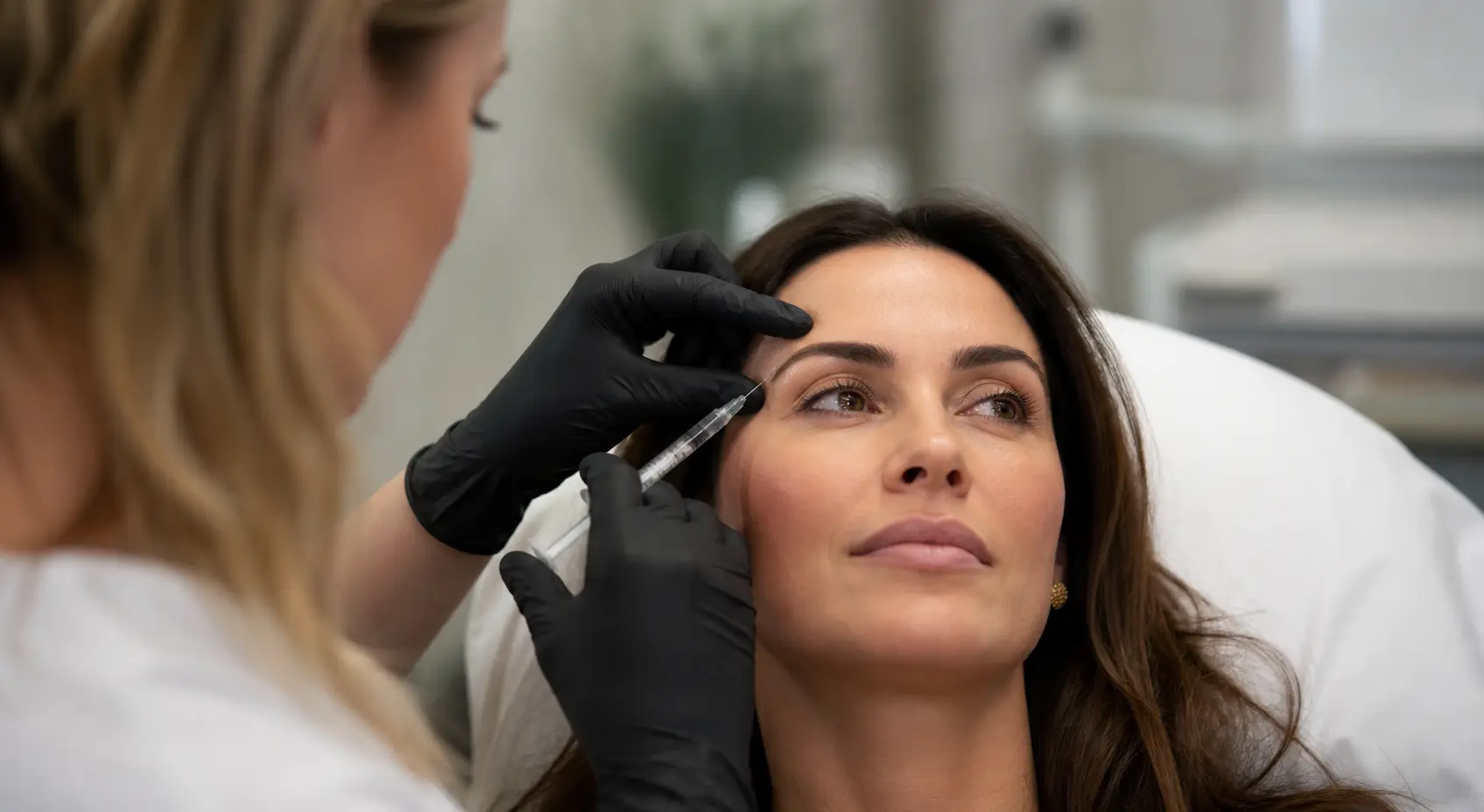
You’re noticing the first hint of lines when you smile, and suddenly you’re scrolling through preventive botox explained videos at 2 AM wondering if you should start injecting your face before wrinkles even fully arrive, because apparently waiting until you actually need it is now considered falling behind.
What is preventive botox?
Preventive botox is essentially a muscle-relaxation strategy that targets your face before deep wrinkles settle in permanently. Instead of waiting until lines are etched into your skin, you’re using small doses of botulinum toxin to gently relax the muscles responsible for repetitive facial expressions. Think of it like maintaining your car before the engine breaks down. A 28-year-old who frowns frequently might start with micro-doses around the forehead, while someone who squints a lot could focus on the eye area. The procedure takes about 10 to 15 minutes, involves minimal discomfort, and the results appear gradually over 7 to 14 days. It’s not about freezing your face or looking unnatural; it’s about softening the muscle contractions that create those expression lines before they become permanent fixtures.
- Safe and FDA-approved procedure
- Temporary results lasting 3-4 months
- Aims to delay the appearance of lines and wrinkles
Benefits of preventive botox
The primary advantage is intercepting dynamic wrinkles before they become static ones. Dynamic wrinkles form from muscle movement, like the lines that appear when you frown or squint. Once they become static, they’re visible even when your face is at rest, and they require much more aggressive treatment to fade. By starting early, you’re essentially training your facial muscles to move less forcefully. Another benefit is the confidence boost many young adults report. Knowing you’re taking proactive steps toward skin maintenance can reduce anxiety about aging. Additionally, preventive botox can delay or potentially eliminate the need for more invasive procedures later, like facelifts or deeper chemical peels. Some people also find that maintaining consistent results over years creates a subtle, natural-looking appearance that looks like good genetics rather than obvious cosmetic work.
📘 Fix your day in under 2 minuteschoose where to begin:
Risk factors to consider
While preventive botox is generally safe, understanding potential side effects helps you make an informed choice. Temporary bruising and swelling at injection sites are common and typically fade within a few days. Muscle weakness or drooping can occur if the toxin spreads beyond the intended area, though this is rare with experienced providers. Some people experience headaches for a day or two post-treatment. There’s also the psychological risk of becoming dependent on the procedure or feeling pressure to maintain results indefinitely. Asymmetry is another concern, where one side of your face responds differently than the other, though this usually corrects itself after a few weeks. Allergic reactions are extremely rare but possible. The most important mitigation strategy is choosing a board-certified dermatologist or plastic surgeon with extensive botox experience, not a med spa technician or someone offering discounted rates. Your provider should assess your facial anatomy carefully and use conservative doses initially.
Consultation and treatment process
Your first step is scheduling a consultation with a qualified provider who will assess your skin, discuss your goals, and explain realistic outcomes. During this conversation, be honest about your expectations. Show photos of celebrities or influencers whose skin you admire, and discuss whether your goals are achievable. The provider will examine your face at rest and during movement to identify which muscles are most active. On treatment day, arrive with a clean face and no makeup. The provider will mark injection points with a pen, apply a topical numbing cream, and begin injecting small amounts of botulinum toxin using a very fine needle. Most people describe the sensation as a slight pinch rather than pain. The entire procedure takes 10 to 15 minutes. You’ll receive aftercare instructions, typically including avoiding strenuous exercise for 24 hours and not lying down for several hours post-treatment to prevent toxin migration.
Post-treatment care and follow-up
The first 24 hours are crucial for optimal results. Avoid rubbing, massaging, or applying pressure to treated areas, as this can cause the toxin to spread unevenly and create unwanted results. Skip intense workouts, saunas, and hot showers for at least 24 hours. Sleep on your back if possible to prevent pressure on your face. Results aren’t immediate; you’ll notice subtle changes within 3 to 5 days, with full results appearing by day 14. Schedule a follow-up appointment around two weeks post-treatment so your provider can assess results and make minor adjustments if needed. Most people maintain results with touch-up appointments every 3 to 4 months. Some find that with consistent treatment over time, results last slightly longer because the muscles become trained to move less. Keep detailed notes about how long your results last, any side effects, and what worked well, so you and your provider can refine your approach over time.
Preventive botox offers a proactive approach to anti-aging by delaying the onset of wrinkles through muscle relaxation. Consider the benefits, risks, and aftercare to make an informed decision.
At what age should I consider preventive botox?
Preventive botox is typically suitable for individuals in their late 20s to early 30s who want to delay the formation of wrinkles and maintain youthful skin.
How long does preventive botox last?
The effects of preventive botox typically last 3-4 months, after which you may need follow-up injections to maintain results.
Others also read:
Disclaimer: This article is for informational purposes only and is not a substitute for professional medical advice. Always consult a healthcare professional for personal guidance.
This guide has been prepared and reviewed by the GlobalHealthBeacon editorial team and reflects current medical research as of 2026. It provides structured, evidence-based information to support informed health decisions.
