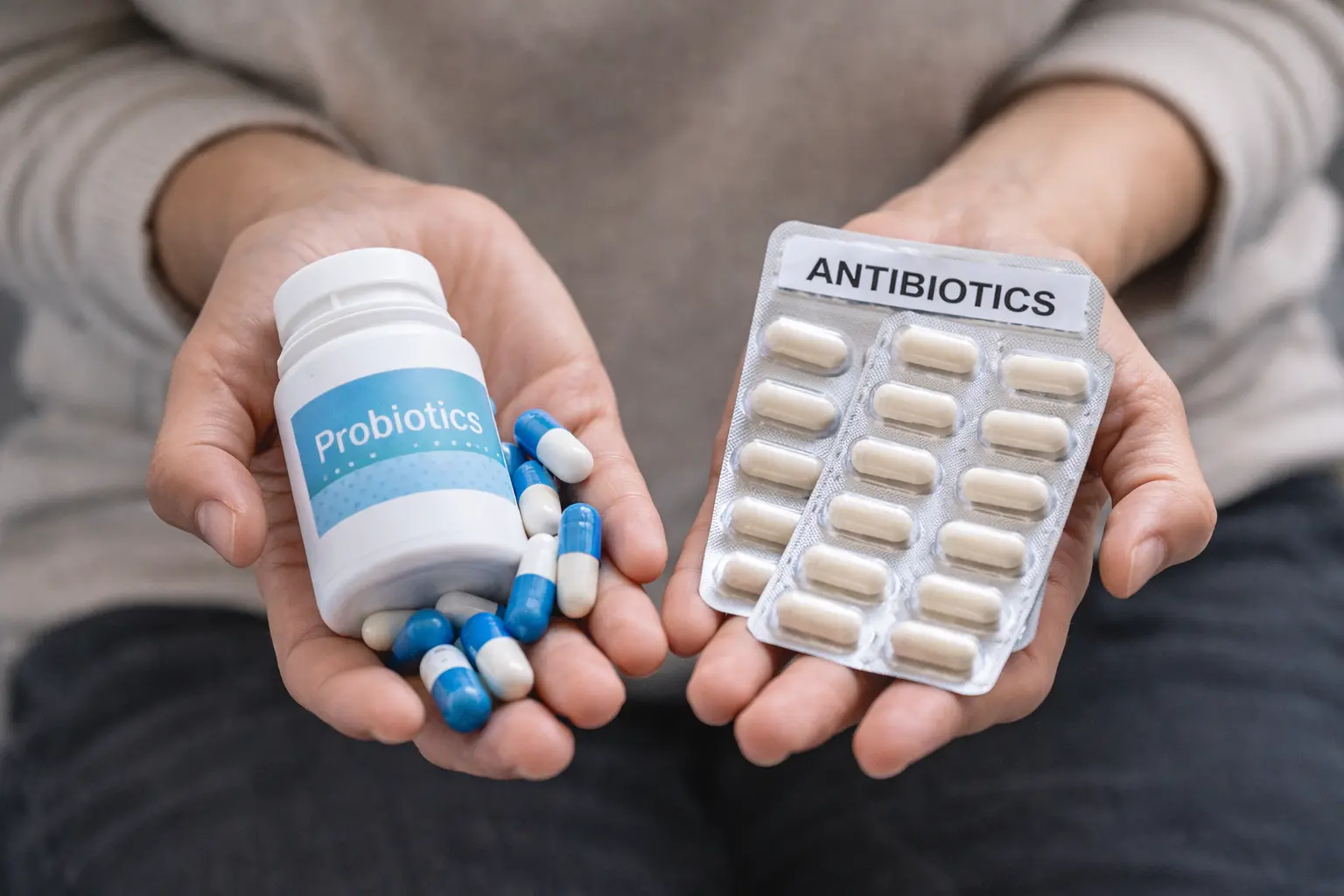
Your stomach is acting up again, you’re bloated, constipated, or worse, and you’re caught between probiotics versus antibiotics wondering which one will actually fix what’s wrong and get your life back to normal.
Understanding probiotics and antibiotics
Think of your digestive system as a thriving ecosystem. Probiotics are the beneficial bacteria that keep this ecosystem balanced and functioning smoothly, while antibiotics are powerful medications designed to eliminate harmful bacteria causing infections. For seniors, understanding this distinction is essential because your gut naturally changes with age, becoming more sensitive to disruptions. Probiotics work by repopulating your digestive tract with good bacteria that aid nutrient absorption and support immune function. Antibiotics, on the other hand, are precision tools that target specific bacterial infections like urinary tract infections or respiratory infections. However, here’s the catch: antibiotics don’t discriminate between good and bad bacteria, so they can leave your gut temporarily depleted. Imagine antibiotics as a forest fire that clears both invasive weeds and native plants alike. Your body then needs time and support to rebuild that healthy bacterial community. This is why many healthcare providers now recommend pairing antibiotic courses with probiotic support for seniors.
- Probiotics promote a healthy balance of gut flora and can aid in digestion.
- Antibiotics are prescribed to eliminate harmful bacteria causing infections but can also disrupt the natural balance of gut bacteria.
- Consult with your healthcare provider to determine if probiotics or antibiotics are suitable for your specific health needs.
Pros and cons of probiotics
Probiotics offer genuine benefits for seniors dealing with common digestive complaints. Many experience relief from bloating, irregular bowel movements, and general digestive discomfort within weeks of starting a quality probiotic. Some research suggests probiotics may strengthen immune function, which naturally weakens with age. Consider Margaret, a 72-year-old who struggled with persistent constipation and bloating after years of occasional antibiotic use. After introducing a multi-strain probiotic supplement containing Lactobacillus and Bifidobacterium, she noticed improvement within three weeks. The downside is that results vary dramatically from person to person. Not all probiotic supplements are equal, and many lack the potency or strain diversity needed for real impact. Some seniors experience temporary bloating or gas when starting probiotics as their gut adjusts. Additionally, probiotics work best when paired with dietary fiber and adequate hydration. Choosing a reputable brand with third-party testing and strains specifically studied in older adults is crucial. Cheaper, generic probiotics often contain inactive bacteria or insufficient colony-forming units to make a difference.
📘 Fix your day in under 2 minuteschoose where to begin:
Benefits and risks of antibiotics
Antibiotics remain one of modern medicine’s greatest achievements, saving countless lives by treating serious bacterial infections that would otherwise become life-threatening. For seniors, antibiotics effectively combat urinary tract infections, pneumonia, skin infections, and other conditions that can escalate quickly in aging bodies. When prescribed appropriately, they work rapidly and decisively. However, antibiotics come with real risks that seniors should understand. Common side effects include diarrhea, nausea, and yeast infections, which can be particularly troublesome for older adults with sensitive systems. More concerning is antibiotic resistance, a growing problem where overused antibiotics become less effective over time, both for individuals and society. Taking antibiotics unnecessarily or not completing the full course accelerates this resistance. Additionally, some antibiotics interact with medications seniors commonly take for blood pressure or heart conditions. Long-term or repeated antibiotic use can deplete beneficial gut bacteria so severely that it takes months to recover. This is why healthcare providers now emphasize taking antibiotics only when truly necessary and always completing the prescribed course, even if you feel better.
Making an informed decision
The choice between probiotics and antibiotics isn’t either-or; it’s about understanding when each serves a purpose. Start by identifying your actual problem. Are you dealing with a confirmed bacterial infection like strep throat or a urinary tract infection? Then antibiotics are necessary and non-negotiable. Your doctor’s prescription isn’t optional here. Are you experiencing general digestive sluggishness, bloating, or irregular bowel movements without an active infection? This is where probiotics may help. Picture Robert, 68, who assumed his constant bloating meant he needed antibiotics. Testing revealed no infection. Instead, his doctor recommended dietary changes, increased water intake, and a quality probiotic. Within six weeks, his symptoms improved significantly without any medication. The key is honest communication with your healthcare provider about your symptoms, medical history, and current medications. Avoid self-diagnosing or self-treating with either option. If you’ve recently completed an antibiotic course, probiotics can support recovery of your gut flora. Think of it as restoration work after the forest fire. Balance means respecting antibiotics’ power when needed while proactively supporting your digestive health through probiotics and lifestyle choices when appropriate.
The verdict: what’s best for seniors
For seniors, the reality is that both probiotics and antibiotics have important roles in maintaining health, but they work in different contexts. Antibiotics are non-negotiable when fighting active bacterial infections, and delaying or avoiding them can lead to serious complications in aging bodies that don’t recover as quickly from infections. Probiotics, meanwhile, are a proactive investment in long-term digestive health and gut resilience. The optimal approach for most seniors involves using antibiotics judiciously and only when medically necessary, then supporting gut recovery with probiotics afterward. Many healthcare providers now recommend taking probiotics during and after antibiotic courses to minimize disruption to gut flora. Additionally, maintaining a probiotic-rich diet through foods like yogurt, kefir, sauerkraut, and kimchi provides ongoing support without supplements. Seniors who prioritize gut health through consistent probiotic intake, adequate fiber, hydration, and regular movement often experience better digestion, stronger immunity, and improved overall well-being. The verdict isn’t about choosing one over the other; it’s about using each appropriately and strategically. Antibiotics save lives when needed. Probiotics support quality of life when given the chance. Together, with your doctor’s guidance, they form a complete approach to digestive health.
Probiotics and antibiotics serve distinctly different purposes in maintaining gut health for seniors. Antibiotics are essential for treating bacterial infections and should always be used as prescribed. Probiotics support digestive wellness and help restore gut balance, especially after antibiotic treatment. The best approach combines appropriate antibiotic use with consistent probiotic support, creating a comprehensive strategy for long-term digestive health and overall well-being.
Are probiotics safe for seniors?
Probiotics can be safe for most seniors, but it’s advisable to consult with a healthcare provider before starting any new supplement regimen. Some seniors with compromised immune systems or serious underlying conditions may need to avoid certain strains.
Can I take probiotics while on antibiotics?
It is generally safe to take probiotics while on antibiotics to support gut health, but spacing out the timing of ingestion can be beneficial to avoid any potential interaction. Take probiotics at least two hours apart from your antibiotic dose.
Others also read:
Disclaimer: This article is for informational purposes only and is not a substitute for professional medical advice. Always consult a healthcare professional for personal guidance.
This guide has been prepared and reviewed by the GlobalHealthBeacon editorial team and reflects current medical research as of 2026. It provides structured, evidence-based information to support informed health decisions.
